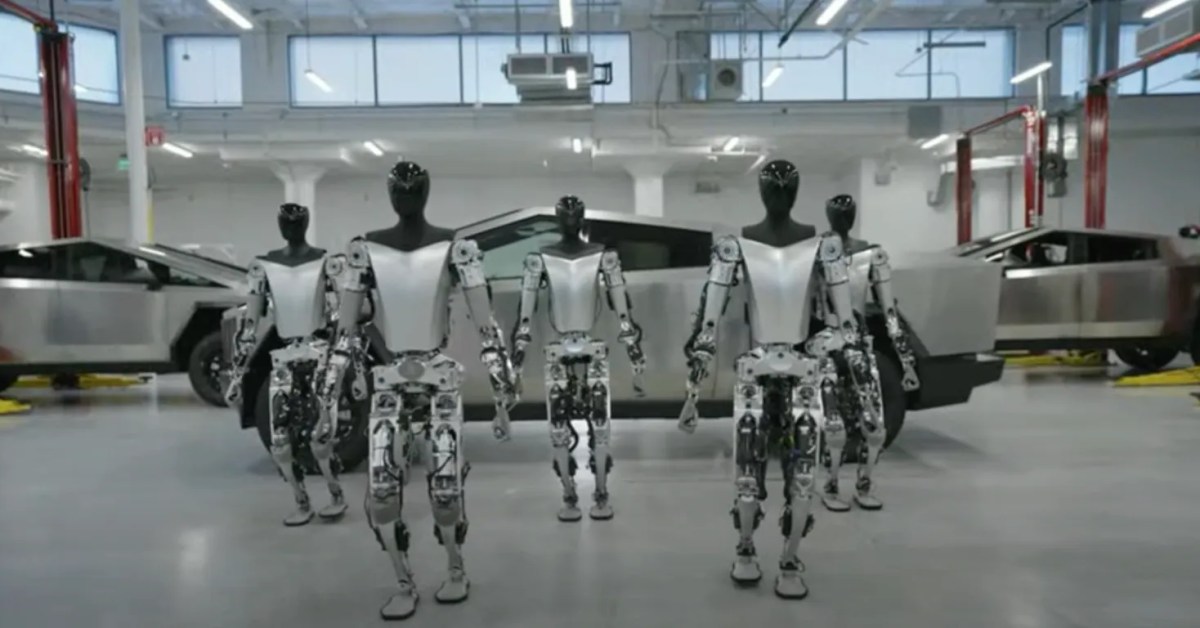
Tesla Increases Optimus Production to Hundreds Weekly Amid Generalization Challenges

Edited by Ionna Brakeley
Charging & Ownership
Updated September 26, 2026
3 min read
1 linked source
Tesla has ramped up production of its Optimus humanoid robots to several hundred units per week at its Fremont facility, a significant increase from its output in Q2. However, these robots currently struggle with generalization, limiting their practical applications and reliability due to issues such as fragile components and misalignment during assembly.
Share this story
Why it matters
- ✓The limitations in generalization and reliability may affect the long-term viability of humanoid robots in various applications, including potential integration into EV ecosystems.
- ✓As Tesla continues to innovate in robotics, any advancements could influence future vehicle features or automation technologies, potentially impacting ownership experiences.
Tesla's Optimus Production Surge
Tesla has significantly increased the production of its Optimus humanoid robots, now manufacturing several hundred units each week at its Fremont facility. This marks a tenfold increase compared to the output in the second quarter of 2026. However, despite this ramp-up, the robots are facing critical challenges that hinder their effectiveness in real-world applications.
What Changed
The production of Optimus robots has surged, reflecting Tesla's commitment to advancing its robotics division. According to a report from Electrek, the increase in production is a positive sign for the company's ambitions in automation and robotics. However, the robots are currently unable to perform generalized tasks effectively, which limits their practical use in various settings.
Why It Matters for Buyers and Owners
- Impact on Future Technologies: The limitations in the Optimus robots could influence Tesla's future vehicle features, especially if the company aims to integrate robotics into its EV ecosystem.
- Reliability Concerns: Issues such as fragile hands and misaligned parts may affect the reliability of these robots, which could deter potential buyers or investors interested in Tesla's robotics initiatives.
Key Details from Source Material
The report highlights several critical issues that Tesla faces with its Optimus robots:
- Generalization Limitations: The robots are unable to handle a variety of tasks, which is essential for their widespread adoption in both industrial and consumer applications.
- Quality Control Issues: Problems such as fragile components and misalignment during assembly have been noted, raising concerns about the reliability of the robots as they scale production.
- Supplier Challenges: Suppliers are reportedly struggling to maintain quality at the increased production volume, which could further complicate Tesla's efforts to deliver a reliable product.
What to Watch Next
As Tesla continues to ramp up production, it will be crucial to monitor how the company addresses these challenges. Key areas to watch include:
- Improvements in Generalization: Any advancements in the robots' ability to perform a wider range of tasks will be critical for their future applications.
- Quality Control Measures: Updates regarding how Tesla plans to enhance quality control and supplier reliability will be important for assessing the viability of the Optimus robots.
- Integration with Tesla Vehicles: Future announcements regarding the integration of robotics into Tesla's EV lineup could provide insights into how these developments may impact buyers and owners in the long term.
In conclusion, while Tesla's ramp-up in Optimus production is a significant milestone, the current limitations in generalization and reliability present challenges that the company must address to ensure the successful deployment of its humanoid robots.
Sources
These are the documents and reports used to build this brief so readers can verify the story directly.
Reporting notes
EV Signal briefs are written to explain the verified change first, then add the context EV buyers and owners need to understand cost, availability, charging access, eligibility, or ownership impact.
If details are still developing, we try to say what is confirmed, what comes from secondary reporting, and what readers should verify before acting.
Source mix
1 linked source
1 media
Reviewed from: Electrek.
Comments
Log in with
Loading comments…
More in Ownership

Drive Electric Month Events Offer Insights on Going Gas-Free
Drive Electric Month is currently underway, featuring over 150 events across the US and Canada…
2h ago

Groups Sue TVA Over Clean Air Act Violations at Kingston Site
The Southern Environmental Law Center, representing Appalachian Voices and the Sierra Club, has…
2h ago
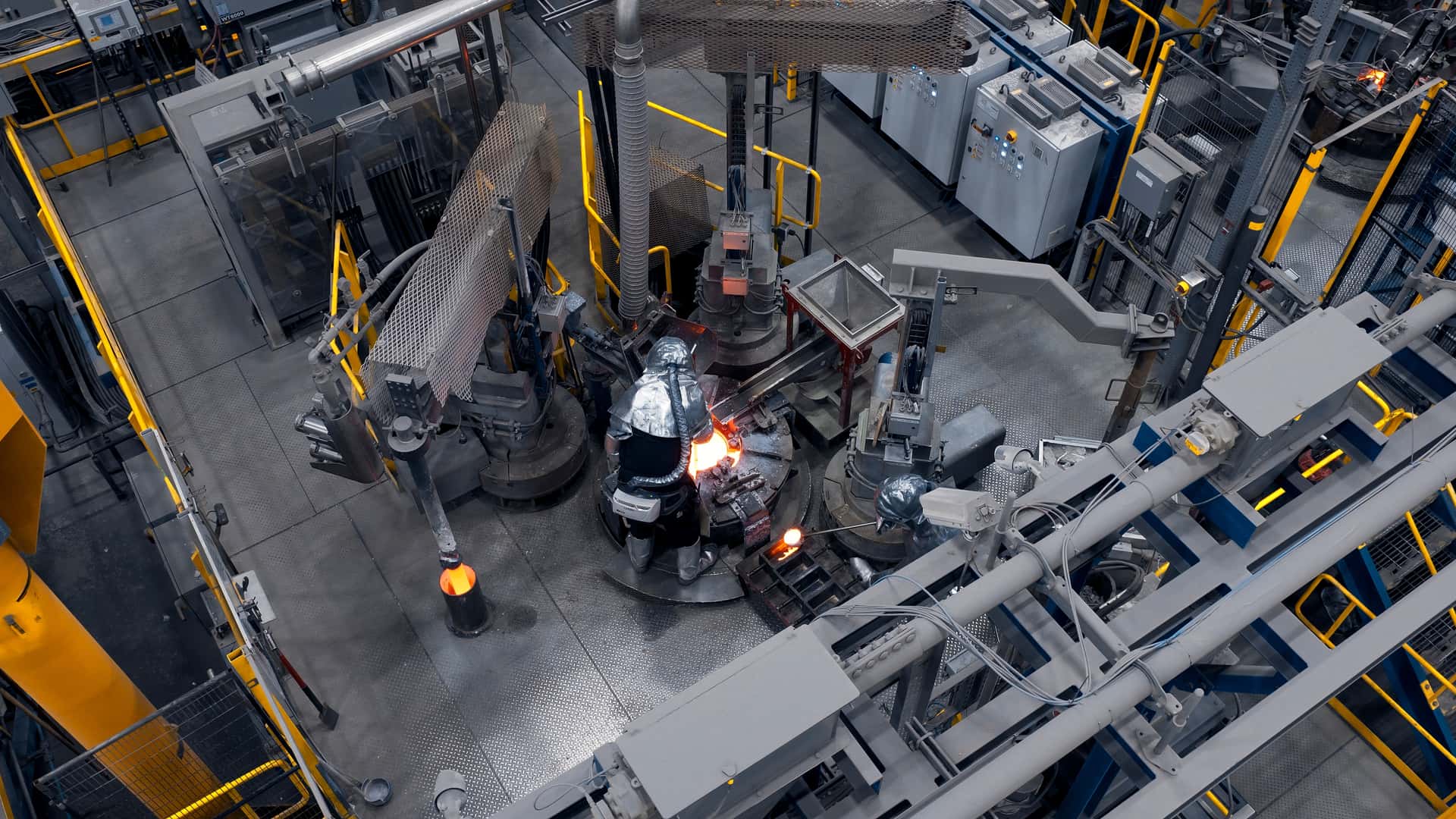
Texas Factory Aims to Reduce Dependence on Chinese EV Magnet Supply
MP Materials is nearing the completion of a rare earth magnet factory in Texas, which aims to…
2h ago
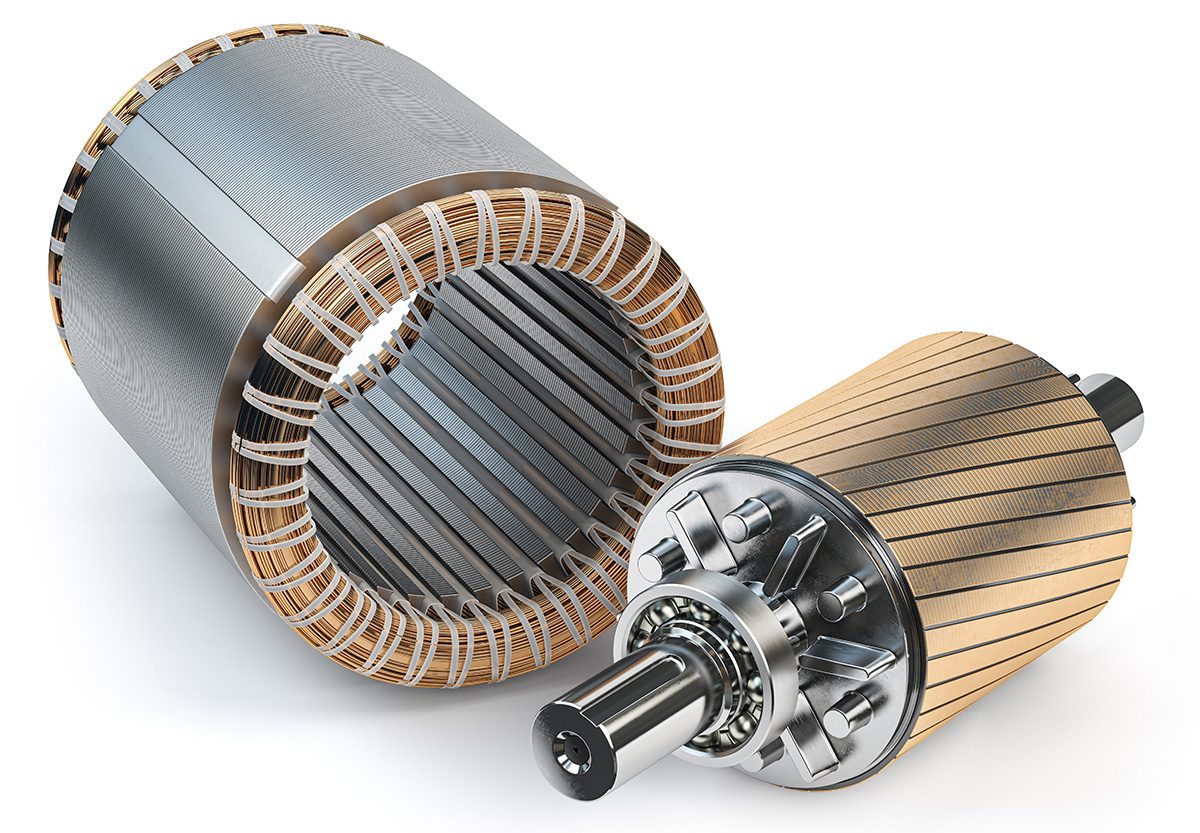
Anhui's EV Sector Forms Joint Magnet Alliance with Rare Earth Groups
Five organizations in China have established the Anhui Rare Earth Industry Alliance to enhance…
2h ago