Texas Factory Aims to Reduce Dependence on Chinese EV Magnet Supply
MP Materials is nearing the completion of a rare earth magnet factory in Texas, which aims to lessen the U.S. automotive industry's reliance on China for critical EV components. This development could impact electric vehicle production and supply chains, although the full implications remain uncertain until the factory is operational.

Key takeaways
30-second read- 1Potentially stabilizes supply chains for EV manufacturers, which could lead to more consistent vehicle availability.
- 2May influence the cost of EVs by reducing dependency on imported materials, potentially lowering production costs.
- 3Could enhance the U.S. position in the global EV market, benefiting buyers through increased competition and innovation.
Confirmed
No official source linked yet
Reported
Secondary reporting: InsideEVs
Verify yourself
Eligibility, local prices and dates for your car, state or utility
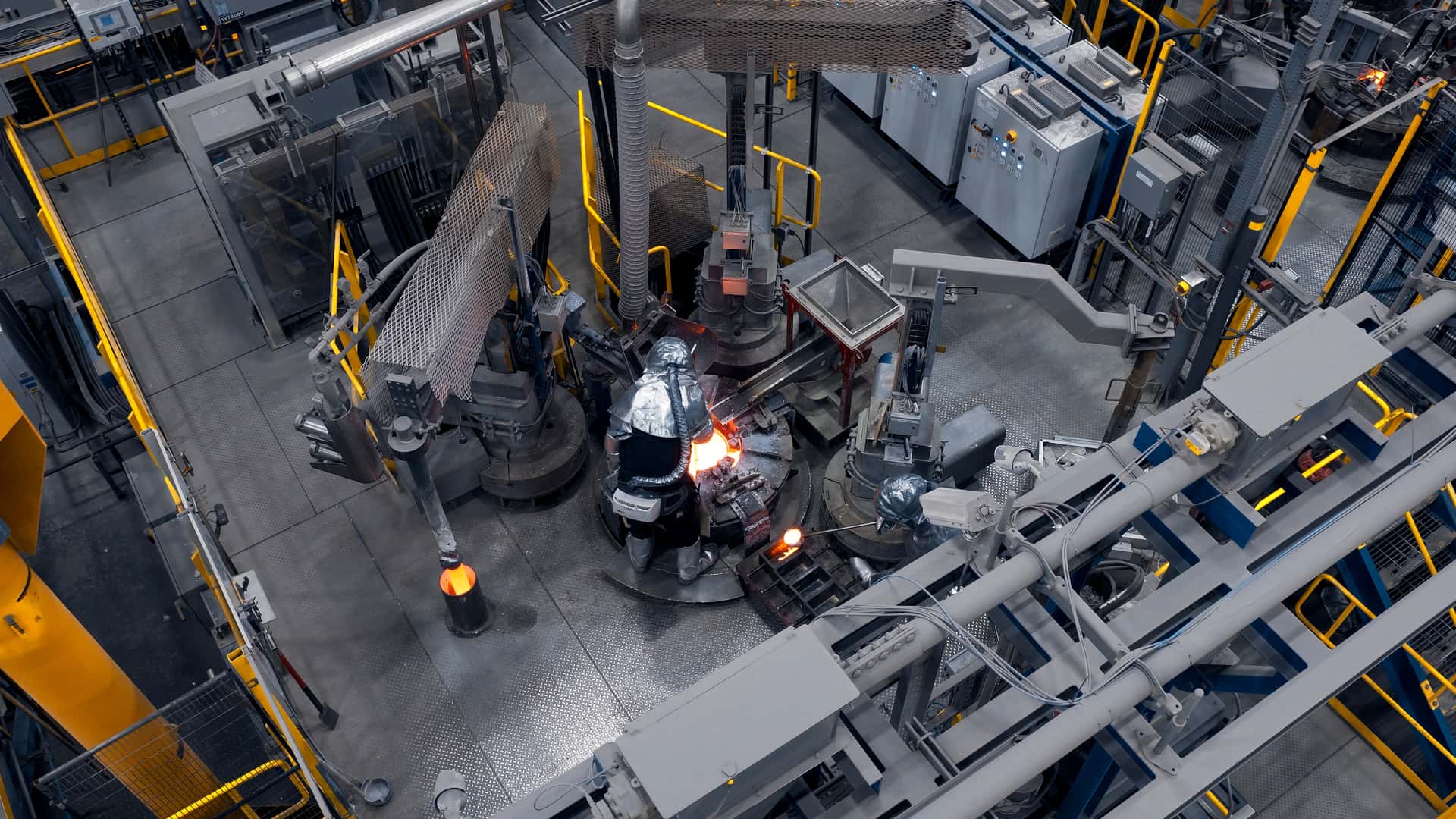
Texas Factory Aims to Reduce Dependence on Chinese EV Magnet Supply
MP Materials is on the verge of completing a rare earth magnet factory in Texas, a significant step towards reducing the U.S. automotive industry's reliance on China for essential components in electric vehicles (EVs). This factory is expected to produce high-performance magnets that are critical for EV motors and other applications, marking a pivotal moment in the effort to localize supply chains for electric vehicle production.
What Changed
The establishment of this factory represents a major shift in the sourcing of rare earth materials, which have been predominantly supplied by China. As the demand for electric vehicles continues to rise, the need for reliable and domestic sources of these materials has become increasingly urgent. The factory's anticipated opening could help mitigate supply chain vulnerabilities that have plagued the automotive industry, especially during global disruptions.
Why It Matters for Buyers and Owners
The implications of this factory for EV buyers and owners are multifaceted:
- Supply Chain Stability: By producing magnets domestically, the factory could stabilize supply chains for EV manufacturers, potentially leading to more consistent vehicle availability.
- Cost Implications: Reducing reliance on imported materials may influence the cost of EV production, which could eventually lower prices for consumers.
- Market Positioning: This development could enhance the U.S. position in the global EV market, fostering increased competition and innovation that may benefit buyers through better products and services.
Key Details from Source Material
According to InsideEVs, MP Materials is poised to make history with its Texas factory, which is designed to produce rare earth magnets essential for EVs. The factory's opening is seen as a critical step in breaking China's grip on the supply of these materials, which has been a concern for U.S. manufacturers. The success of this factory could lead to a more robust domestic supply chain for electric vehicle components, ultimately benefiting the entire industry.
What to Watch Next
As the factory nears completion, it will be important to monitor its operational status and production capacity. Key questions remain about how quickly MP Materials can ramp up production and whether it will meet the growing demand from EV manufacturers. Additionally, the impact on pricing and availability of EVs in the market will be crucial to observe as this new supply chain begins to take shape. Overall, while the factory represents a promising development, the full extent of its impact on the EV landscape will unfold in the coming months.
Sources
1 media- [1]Inside The Texas Factory Racing To Break China’s Grip On EV MagnetsMedia
InsideEVs · insideevs.com · published Sep 25
Newsletter
Weekly EV signal. No spam.
Comments
Log in with
Loading comments…