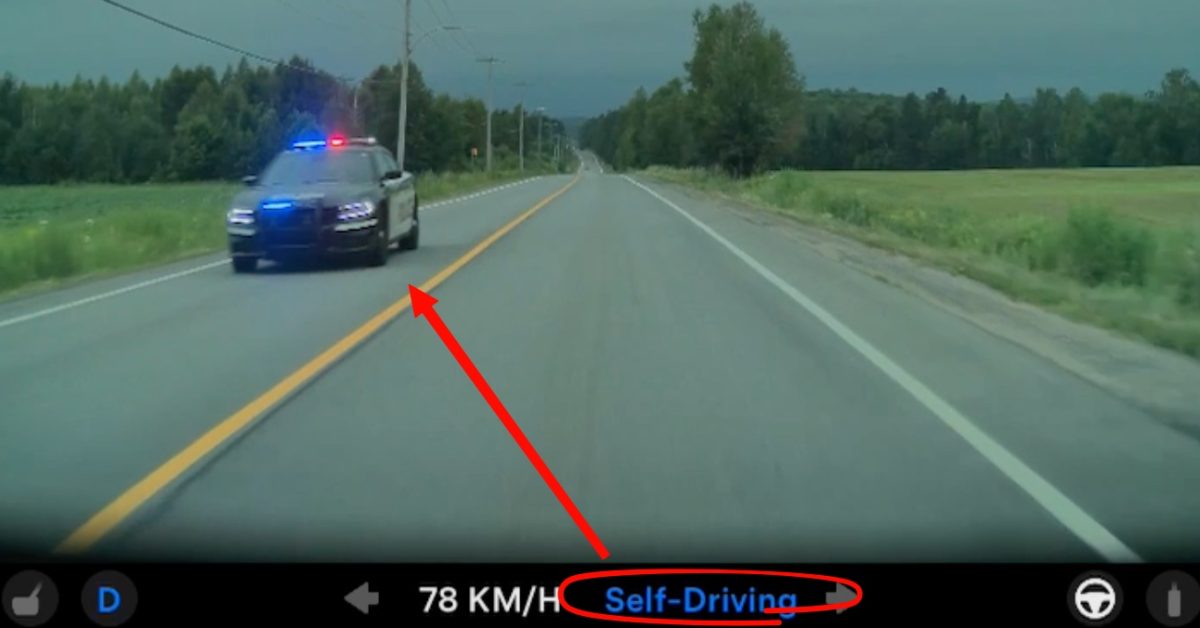
Tesla FSD Exceeds Speed Limit in 55% of Brussels 30 km/h Zones
Updated September 25, 2026
3 min read
1 linked source
Tesla's Full Self-Driving (FSD) feature was found to exceed the speed limit in 55% of tested 30 km/h zones in Brussels, averaging 44 km/h. This finding comes just weeks before the EU is set to vote on the approval of FSD across member states, raising concerns from countries like Sweden and France regarding safety and compliance.
Share this story
Why it matters
- ✓Potential regulatory changes could impact the availability of FSD in the EU, affecting current and prospective Tesla owners.
- ✓Safety concerns may lead to increased scrutiny of FSD features, possibly resulting in additional costs or restrictions for users.
- ✓The findings could influence public perception of Tesla's FSD capabilities, impacting resale values and buyer confidence.
Tesla FSD Exceeds Speed Limit in Brussels
Tesla's Full Self-Driving (FSD) feature has been reported to exceed the speed limit in 55% of tested 30 km/h zones in Brussels, according to a Belgian road safety group. The average speed recorded was 44 km/h, significantly above the legal limit. This revelation comes at a critical time, just under two weeks before the European Union is scheduled to vote on the approval of FSD across its member states.
What Changed
The findings from the Belgian road safety group indicate that Tesla's FSD is not adhering to local speed regulations in a substantial number of cases. This raises serious questions about the safety and reliability of the FSD system, particularly in urban environments where speed limits are strictly enforced. The report highlights a potential disconnect between Tesla's technology and regulatory expectations, which could have far-reaching implications for the company's operations in Europe.
Why It Matters for Buyers and Owners
-
Regulatory Impact: The upcoming EU vote on FSD approval could be influenced by these findings, potentially affecting the availability of the feature for current and future Tesla owners in Europe. If the EU decides to impose stricter regulations, it could limit how FSD operates or even delay its rollout.
-
Safety Concerns: The reported speeding incidents raise safety concerns that could lead to increased scrutiny from regulators. This may result in additional compliance costs for Tesla, which could be passed on to consumers.
-
Public Perception: The findings could impact public perception of Tesla's FSD capabilities. If consumers view the technology as unsafe or unreliable, it may affect their purchasing decisions and the resale value of Tesla vehicles equipped with FSD.
Key Details from Source Material
According to the report by Electrek, the Belgian road safety group's tests revealed that Tesla's FSD was not only speeding but doing so in a significant majority of the tested zones. The timing of this report is critical, as it coincides with the EU's upcoming vote on FSD approval, which has already drawn attention from countries like Sweden and France due to concerns over safety and compliance with local traffic laws.
What to Watch Next
As the EU prepares for the vote on FSD approval, it will be essential to monitor any statements from regulatory bodies regarding the implications of these findings. Additionally, Tesla's response to the report and any subsequent changes to the FSD system will be crucial for current and prospective owners. Stakeholders should also keep an eye on how public perception shifts in light of these safety concerns, as it could influence Tesla's market position in Europe.
In conclusion, while Tesla's FSD technology is at the forefront of automotive innovation, the recent findings in Brussels underscore the importance of aligning technological advancements with regulatory frameworks and public safety expectations.
Sources
These are the documents and reports used to build this brief so readers can verify the story directly.
Reporting notes
EV Signal briefs are written to explain the verified change first, then add the context EV buyers and owners need to understand cost, availability, charging access, eligibility, or ownership impact.
If details are still developing, we try to say what is confirmed, what comes from secondary reporting, and what readers should verify before acting.
Source mix
1 linked source
1 media
Reviewed from: Electrek.
Comments
Log in with
Loading comments…
More in Software
NHTSA Investigates comma.ai's openpilot Following Fatal Crashes
The National Highway Traffic Safety Administration (NHTSA) has launched a formal investigation into…
1h ago
Waymo Claims 841 Injuries Prevented in 271 Million Autonomous Miles
Waymo has announced that its autonomous robotaxi operations have reportedly prevented 841 injuries…
7h ago
Mercedes Partners with Wayve for Advanced Driver Assistance System
Mercedes-Benz has announced a collaboration with Wayve to develop a driver assistance system…
1d ago
Tesla Full Self-Driving Update Issues False Camera Alerts
Tesla's latest Full Self-Driving update, version 14.3.9, is erroneously alerting owners that their…
2d ago