NHTSA Investigates comma.ai's openpilot Following Fatal Crashes
Updated September 25, 2026
3 min read
1 linked source
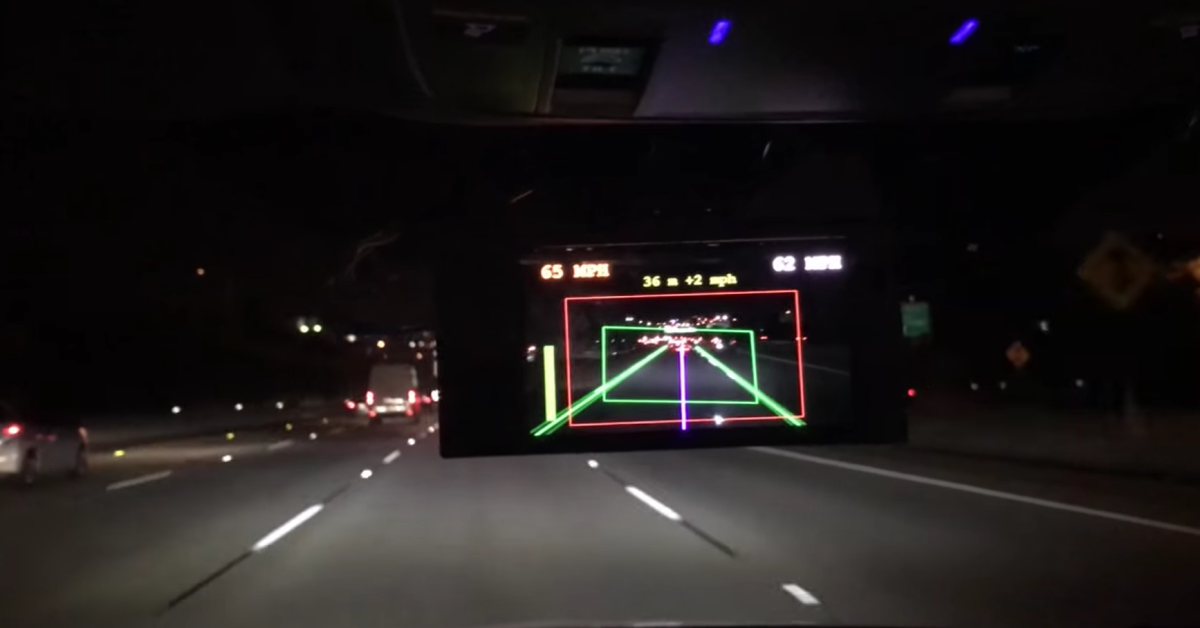
The National Highway Traffic Safety Administration (NHTSA) has launched a formal investigation into comma.ai's openpilot driver assistance system after five crashes, two of which resulted in three fatalities. The investigation affects approximately 30,000 devices, including the comma three, comma 3X, and comma four. This marks a significant regulatory challenge for the company, which previously faced scrutiny from NHTSA in 2016.
Share this story
Why it matters
- ✓Potential safety concerns may affect consumer confidence in aftermarket driver assistance systems.
- ✓The investigation could lead to increased regulatory scrutiny and possible recalls, impacting the availability of these devices.
- ✓Owners of affected devices may face uncertainty regarding the functionality and safety of their systems.
NHTSA Investigates comma.ai's openpilot Following Fatal Crashes
The National Highway Traffic Safety Administration (NHTSA) has opened a formal investigation into comma.ai’s openpilot driver assistance devices after a series of crashes that raised serious safety concerns. This investigation comes in light of five incidents where vehicles equipped with openpilot collided with stopped or slow-moving vehicles in their own lane, resulting in two crashes that led to three fatalities.
What Changed
NHTSA's investigation specifically targets approximately 30,000 units of comma.ai's devices, including the comma three, comma 3X, and comma four. This marks a significant regulatory challenge for the company, which has faced scrutiny in the past. In 2016, NHTSA pressured comma.ai to cancel its initial product due to safety concerns.
Why It Matters for Buyers and Owners
The ongoing investigation could have several implications for current and potential users of comma.ai's openpilot system:
- Consumer Confidence: The investigation may lead to decreased consumer confidence in aftermarket driver assistance systems, which could impact sales and adoption rates.
- Regulatory Scrutiny: Increased scrutiny from NHTSA may result in recalls or modifications to the openpilot system, affecting the availability and functionality of these devices.
- Owner Uncertainty: Current owners of affected devices may experience uncertainty regarding the safety and reliability of their systems, potentially impacting their day-to-day driving experience.
Key Details from Source Material
According to Electrek, the investigation follows a troubling pattern of crashes involving comma.ai's openpilot system. The NHTSA's probe is significant as it represents the most serious regulatory issue for the startup since its inception. The agency's previous intervention in 2016 led to the cancellation of comma.ai's first product, highlighting the ongoing challenges the company faces in ensuring the safety of its technology.
What to Watch Next
As the investigation unfolds, it will be crucial to monitor NHTSA's findings and any subsequent actions taken against comma.ai. Potential outcomes could include recalls, mandated software updates, or changes to how the openpilot system operates. Additionally, the response from comma.ai and how they address these safety concerns will be important for current users and the broader market for aftermarket driver assistance technologies.
In conclusion, while comma.ai's openpilot system has gained attention for its innovative approach to driver assistance, the current investigation emphasizes the importance of safety and regulatory compliance in the rapidly evolving EV landscape.
Sources
These are the documents and reports used to build this brief so readers can verify the story directly.
Reporting notes
EV Signal briefs are written to explain the verified change first, then add the context EV buyers and owners need to understand cost, availability, charging access, eligibility, or ownership impact.
If details are still developing, we try to say what is confirmed, what comes from secondary reporting, and what readers should verify before acting.
Source mix
1 linked source
1 media
Reviewed from: Electrek.
Comments
Log in with
Loading comments…
More in Software
Tesla FSD Exceeds Speed Limit in 55% of Brussels 30 km/h Zones
Tesla's Full Self-Driving (FSD) feature was found to exceed the speed limit in 55% of tested 30…
1h ago
Waymo Claims 841 Injuries Prevented in 271 Million Autonomous Miles
Waymo has announced that its autonomous robotaxi operations have reportedly prevented 841 injuries…
7h ago

Mercedes Partners with Wayve for Advanced Driver Assistance System
Mercedes-Benz has announced a collaboration with Wayve to develop a driver assistance system…
1d ago
Tesla Full Self-Driving Update Issues False Camera Alerts
Tesla's latest Full Self-Driving update, version 14.3.9, is erroneously alerting owners that their…
2d ago