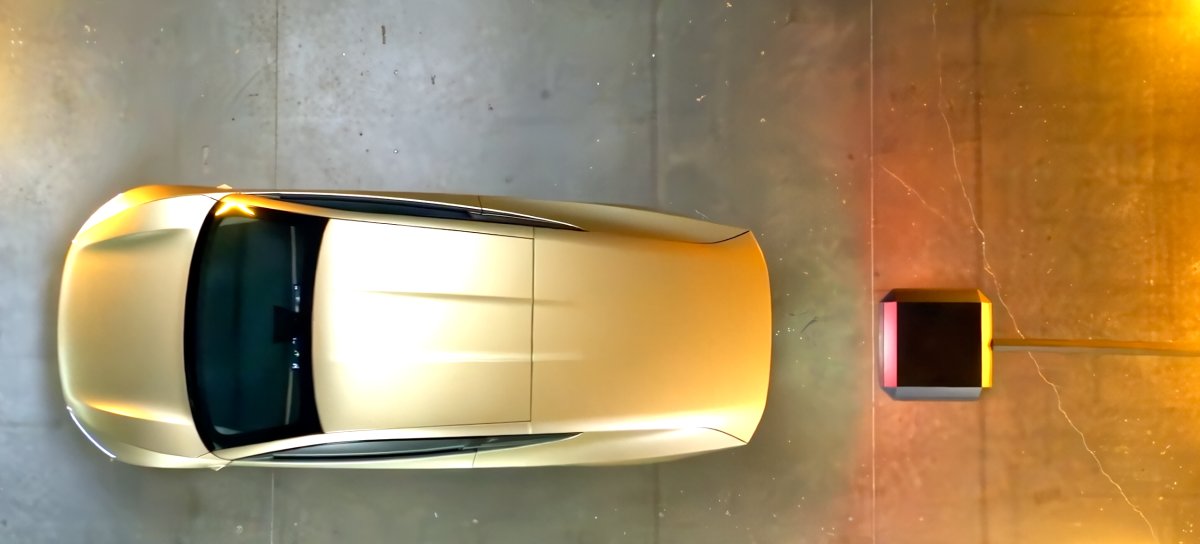
Tesla Charging Driverless Robotaxis Manually at Superchargers

Edited by Ionna Brakeley
Charging & Ownership
Updated October 13, 2026
3 min read
1 linked source
Tesla is currently charging its fleet of driverless Robotaxis manually at public Supercharger stations, with employees plugging in each vehicle. This approach is temporary until the company implements wireless charging technology. The manual charging method highlights the current limitations of Tesla's autonomous vehicle infrastructure.
Share this story
Why it matters
- ✓Manual charging may affect the availability of Robotaxis for potential riders, as charging times could delay service.
- ✓The reliance on human intervention for charging could impact operational costs and efficiency for Tesla's Robotaxi fleet.
- ✓Future wireless charging solutions could improve convenience for EV owners and enhance the overall user experience.
Tesla's Manual Charging of Robotaxis
Tesla is currently charging its fleet of driverless Robotaxis using a manual method at public Supercharger stations. Employees are responsible for plugging in each vehicle, a process that is expected to change once the company rolls out wireless charging technology.
What Changed
The significant update is that Tesla's Robotaxi fleet is not yet equipped with the advanced charging capabilities that were anticipated. Instead of utilizing automated or wireless charging solutions, the company is reverting to a manual process, which involves human staff connecting each Robotaxi to charging stations. This method is a temporary measure as Tesla works toward implementing more advanced charging technologies.
Why It Matters for Buyers and Owners
The manual charging process has several implications for both potential riders of the Robotaxi service and Tesla owners:
- Availability of Service: The time taken to manually charge each Robotaxi could result in longer wait times for riders, potentially affecting the overall service availability.
- Operational Efficiency: Relying on human intervention for charging may lead to increased operational costs and reduced efficiency for Tesla’s Robotaxi fleet, which could influence pricing structures in the future.
- Future Innovations: The eventual introduction of wireless charging technology could significantly enhance the convenience for EV owners, making it easier to maintain charge levels without the need for manual intervention.
Key Details from Source Material
According to a report from Not a Tesla App, Tesla's current approach to charging its Robotaxi fleet is a stopgap until wireless charging becomes available. The company has not provided a timeline for when this technology will be implemented, leaving some uncertainty about the future of the Robotaxi service.
What to Watch Next
As Tesla continues to develop its autonomous vehicle capabilities, it will be important to monitor updates regarding the rollout of wireless charging technology. Additionally, any changes in the operational efficiency of the Robotaxi fleet and how it impacts service availability will be crucial for both potential riders and Tesla owners. Keep an eye on Tesla's announcements and updates from industry analysts to stay informed about these developments.
Sources
These are the documents and reports used to build this brief so readers can verify the story directly.
- Tesla Is Currently Charging Driverless Robotaxis by Hand [VIDEO] — Not a Tesla AppMEDIA
Reporting notes
EV Signal briefs are written to explain the verified change first, then add the context EV buyers and owners need to understand cost, availability, charging access, eligibility, or ownership impact.
If details are still developing, we try to say what is confirmed, what comes from secondary reporting, and what readers should verify before acting.
Source mix
1 linked source
1 media
Reviewed from: Not a Tesla App.
Comments
Log in with
Loading comments…
More in Charging
BYD Atto 8 Offers 5-Minute Flash Charging for European Families
The new BYD Atto 8 SUV features a rapid charging capability, allowing it to recharge from 10% to…
2h ago

Forum Mobility to Open Four New Electric Truck Charging Depots in California
Forum Mobility has announced plans to construct four new electric truck charging depots in…
8h ago
Electrify America Reaches 6,000 EV Charging Ports Milestone
Electrify America has announced that it has reached a significant milestone of 6,000 fast charging…
14h ago

South Korea Plans To Add 100 GW Of Renewable Energy By 2030
South Korea has announced plans to expand its renewable energy capacity by 100 gigawatts (GW) by…
20h ago