Tesla and Florida Debate Focus on EV Chargers vs. Flying Cars
Tesla and the state of Florida are currently at a crossroads regarding the future of transportation, debating whether to prioritize the development of electric vehicle (EV) charging infrastructure or to invest in flying car technology. This decision could significantly impact EV owners and buyers in Florida, particularly concerning charging access and infrastructure development. As of now, no definitive direction has been established.

Key takeaways
30-second read- 1Potential delays in EV charging infrastructure development could affect current and future EV owners in Florida.
- 2Investments in flying car technology may divert funds and attention away from critical EV charging needs.
- 3Uncertainty in policy direction could hinder consumer confidence in EV adoption in the state.
Confirmed
No official source linked yet
Reported
Secondary reporting: CleanTechnica
Verify yourself
Eligibility, local prices and dates for your car, state or utility
Overview of the Current Debate
Tesla and the state of Florida are grappling with a pivotal decision that could shape the future of transportation in the region. The discussion centers around whether to prioritize the expansion of electric vehicle (EV) charging infrastructure or to invest in the development of flying car technology. This debate highlights the contrasting visions for the future of mobility and the implications for EV owners and potential buyers in Florida.
What Changed?
The ongoing debate has emerged as both Tesla and Florida officials weigh the benefits and drawbacks of investing in traditional EV charging stations versus futuristic flying vehicles. While the state has shown interest in innovative transportation solutions, the immediate needs of current EV users may be sidelined if resources are allocated to flying car projects. As of now, no clear resolution has been reached, leaving stakeholders in uncertainty.
Why It Matters for Buyers and Owners
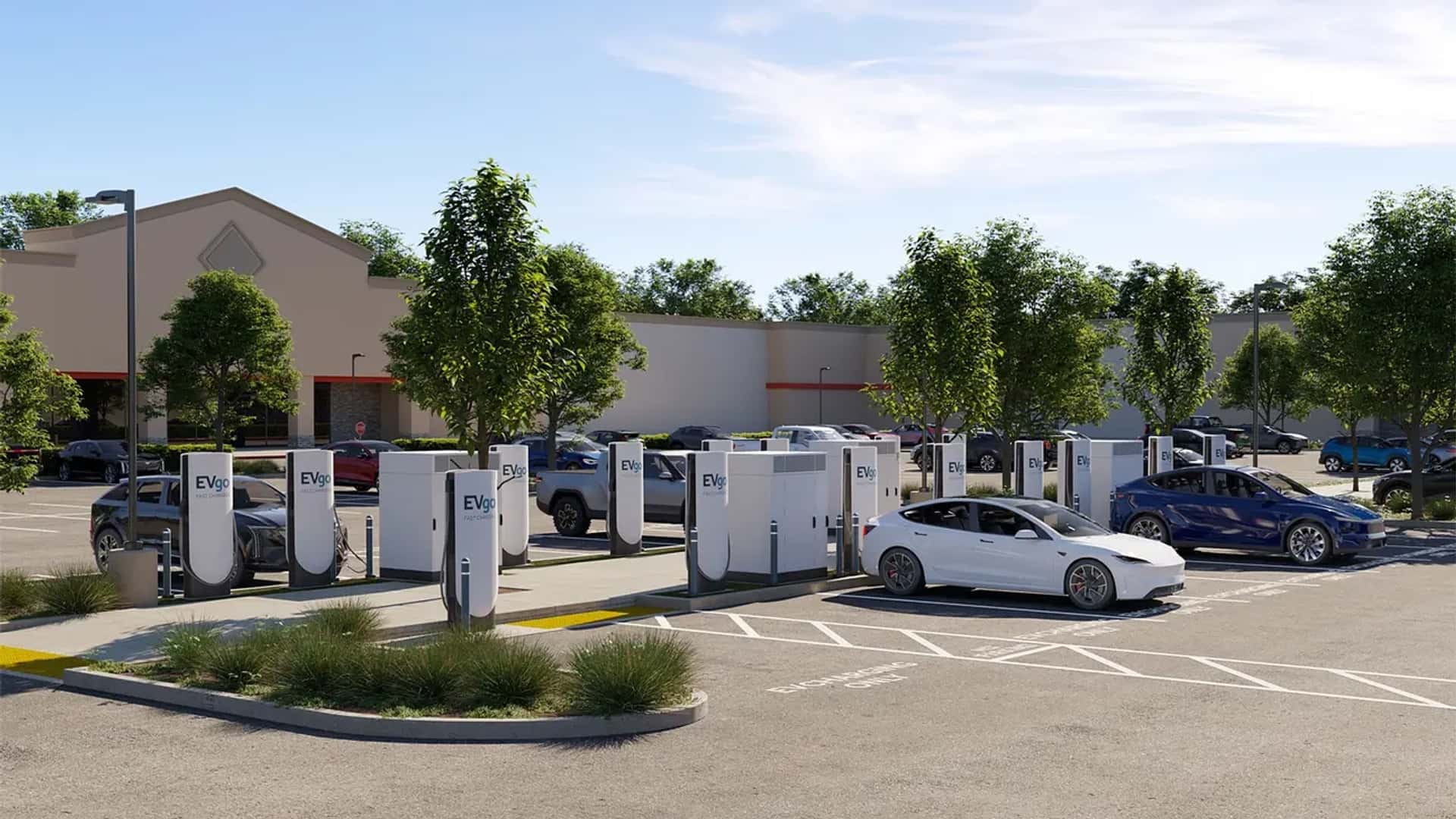
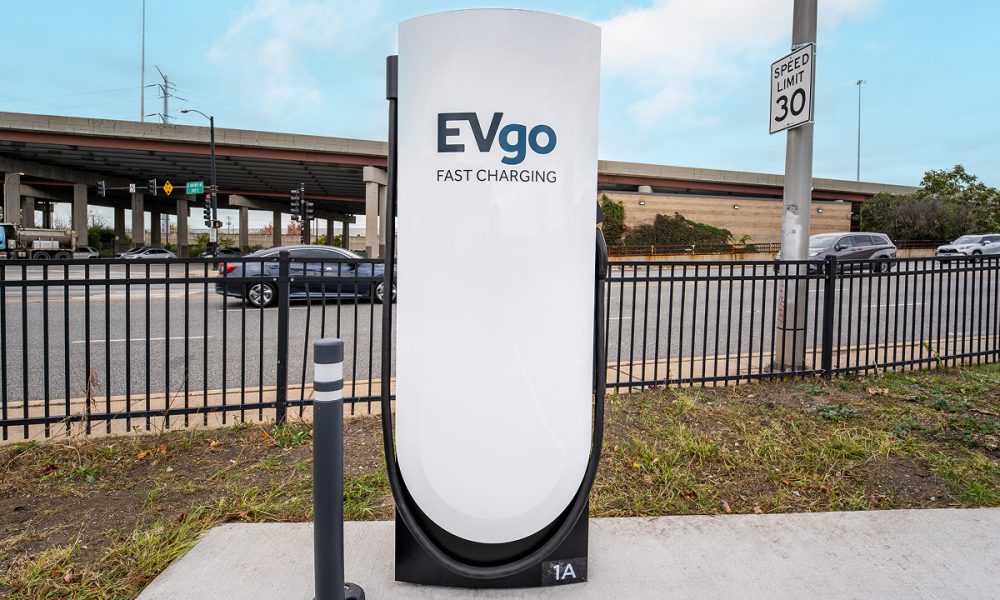
- Impact on Charging Infrastructure: If the focus shifts towards flying cars, the development of essential EV charging stations may slow down, potentially leading to inadequate charging options for current EV owners.
- Resource Allocation: Funds that could be used to enhance the EV charging network might be redirected to support the nascent flying car industry, which could delay improvements in the existing EV infrastructure.
- Consumer Confidence: The lack of a definitive direction may create hesitation among potential EV buyers in Florida, as they may be concerned about the availability of charging stations in the future.
Key Details from Source Material
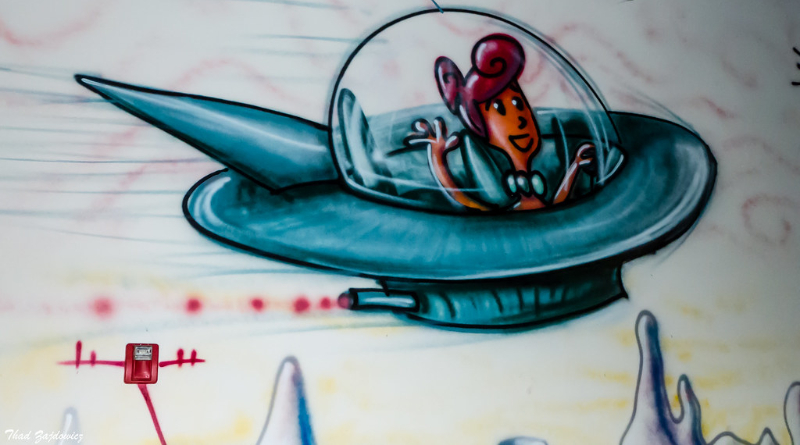
According to CleanTechnica, the debate reflects a broader cultural fascination with futuristic technologies, reminiscent of the flying cars depicted in popular media like "The Jetsons." However, the practical needs of today's EV users must be balanced against these ambitious visions. The article emphasizes that while flying cars capture the imagination, the immediate priority should be ensuring that EV owners have reliable access to charging facilities.
What to Watch Next
As discussions continue, it will be important to monitor any announcements from Tesla and Florida officials regarding their strategic priorities. Stakeholders should keep an eye on potential policy changes or funding allocations that could affect the development of EV charging infrastructure. Additionally, public sentiment and consumer feedback may play a crucial role in shaping the outcome of this debate, influencing whether the state leans towards enhancing EV infrastructure or pursuing more futuristic transportation solutions.
In conclusion, while the allure of flying cars is undeniable, the pressing needs of current EV users in Florida should not be overlooked. The outcome of this debate will have significant implications for the future of electric mobility in the state.
Buying guide: Best Level 2 Home EV Charger (2026): How to Choose
Sources
1 media- [1]Electric Vehicle Chargers Or Flying Cars? Tesla And The State Of Florida Can’t DecideMedia
CleanTechnica · cleantechnica.com · published Oct 18
Newsletter
Weekly EV signal. No spam.
Comments
Log in with
Loading comments…