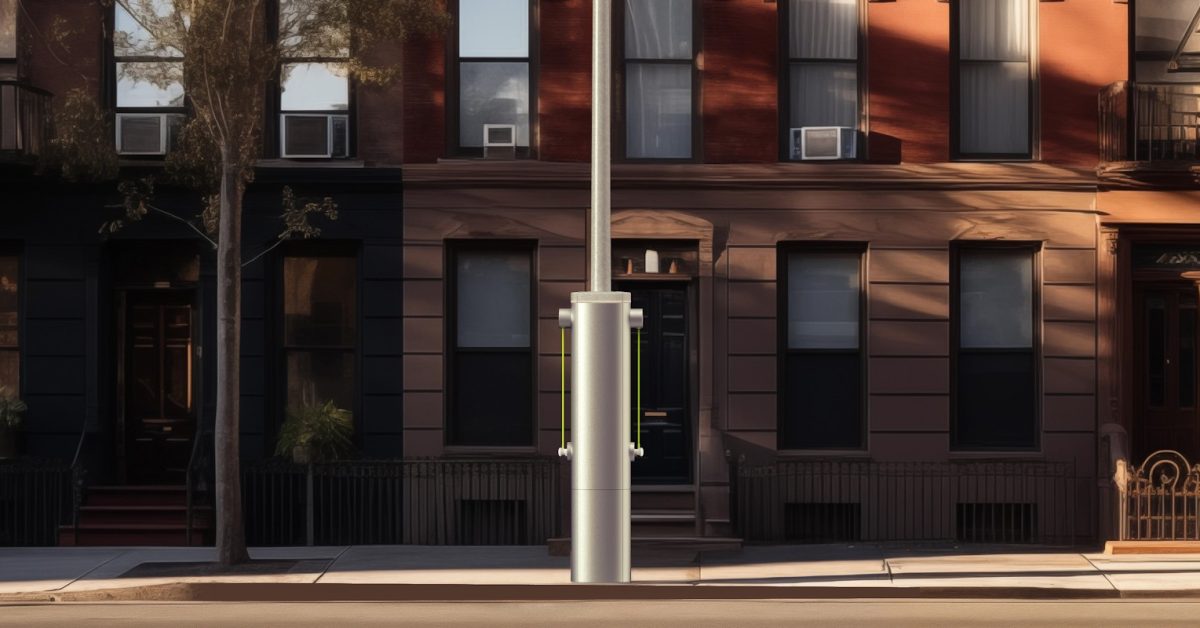
San Francisco Launches Curbside EV Charger Program for Residents
Updated September 1, 2026
3 min read
1 linked source
San Francisco has initiated a citywide program allowing residents to influence the placement of curbside electric vehicle (EV) chargers. This initiative aims to facilitate the installation of public chargers in neighborhoods, making it easier for EV owners to access charging infrastructure. The program is designed to enhance charging access but does not specify how many chargers will be installed or the timeline for implementation.
Share this story
Why it matters
- ✓Increased accessibility to charging stations may encourage more residents to consider purchasing EVs.
- ✓Residents can advocate for charger locations that suit their needs, potentially reducing range anxiety.
- ✓The program may lead to a more equitable distribution of charging infrastructure across different neighborhoods.
Reporting notes
EV Signal briefs are written to explain the verified change first, then add the context EV buyers and owners need to understand cost, availability, charging access, eligibility, or ownership impact.
If details are still developing, we try to say what is confirmed, what comes from secondary reporting, and what readers should verify before acting.
Source mix
1 linked source
1 media
Reviewed from: Electrek.
San Francisco Launches Curbside EV Charger Program for Residents
San Francisco has launched a citywide curbside electric vehicle (EV) charging program, empowering residents to choose where public chargers will be installed in their neighborhoods. This initiative aims to streamline the process for companies looking to set up charging stations, ultimately enhancing the accessibility of charging infrastructure for EV owners.
What Changed
The new program allows residents to have a say in the placement of curbside EV chargers, providing a clear pathway for companies to install these chargers across the city. This initiative is part of a broader effort to improve public charging access and support the growing number of electric vehicles on the road.
Why It Matters for Buyers/Owners
The introduction of this program is significant for current and prospective EV owners in several ways:
- Increased Accessibility: With residents able to influence charger locations, the likelihood of having chargers installed in convenient, high-demand areas increases, making it easier for EV owners to find charging options.
- Encouragement for EV Adoption: Improved access to charging stations may alleviate concerns about range anxiety, potentially encouraging more residents to consider purchasing electric vehicles.
- Equitable Distribution: The program aims to ensure that charging infrastructure is distributed fairly across various neighborhoods, addressing disparities in access to charging facilities.
Key Details from Source Material
According to Electrek, the program is designed to give companies a clear path to install public chargers in neighborhoods throughout San Francisco. However, the specifics regarding the number of chargers to be installed and the timeline for these installations have not yet been detailed. This leaves some uncertainty about the immediate impact of the program on charging availability.
What to Watch Next
As the program rolls out, it will be important to monitor how quickly and effectively chargers are installed in response to resident input. Additionally, updates on the number of chargers planned and their specific locations will be crucial for understanding the program's overall impact on EV owners in San Francisco. Keep an eye on local news and city announcements for further developments regarding this initiative.
Sources
These are the documents and reports used to build this brief so readers can verify the story directly.
Comments
Log in with
Loading comments…
More in Charging
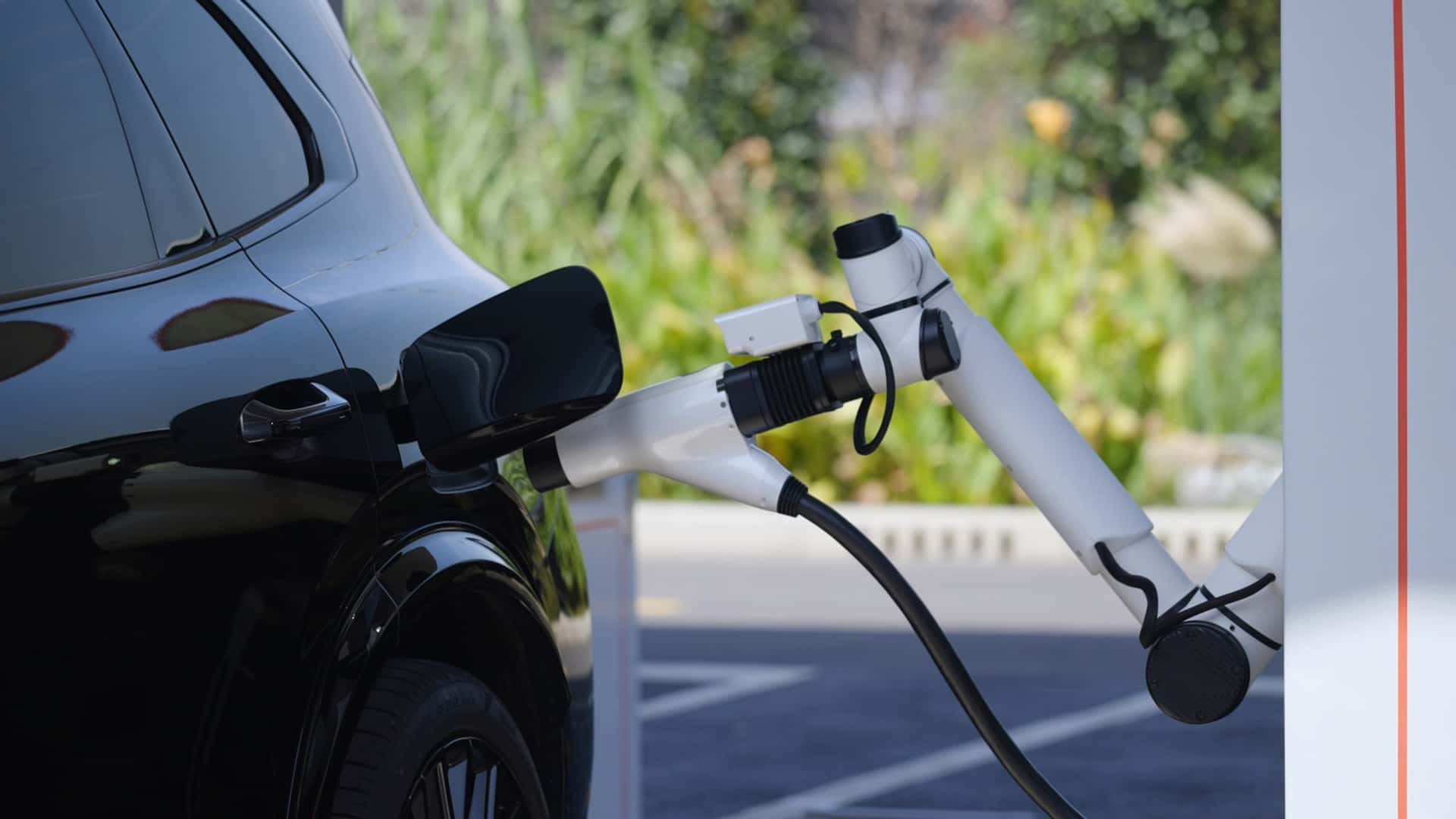
Geely Unveils 2.25 Megawatt EV Charger, Outpacing Competitors
Geely has introduced a new electric vehicle (EV) charger with an impressive output of 2.25…
18h ago
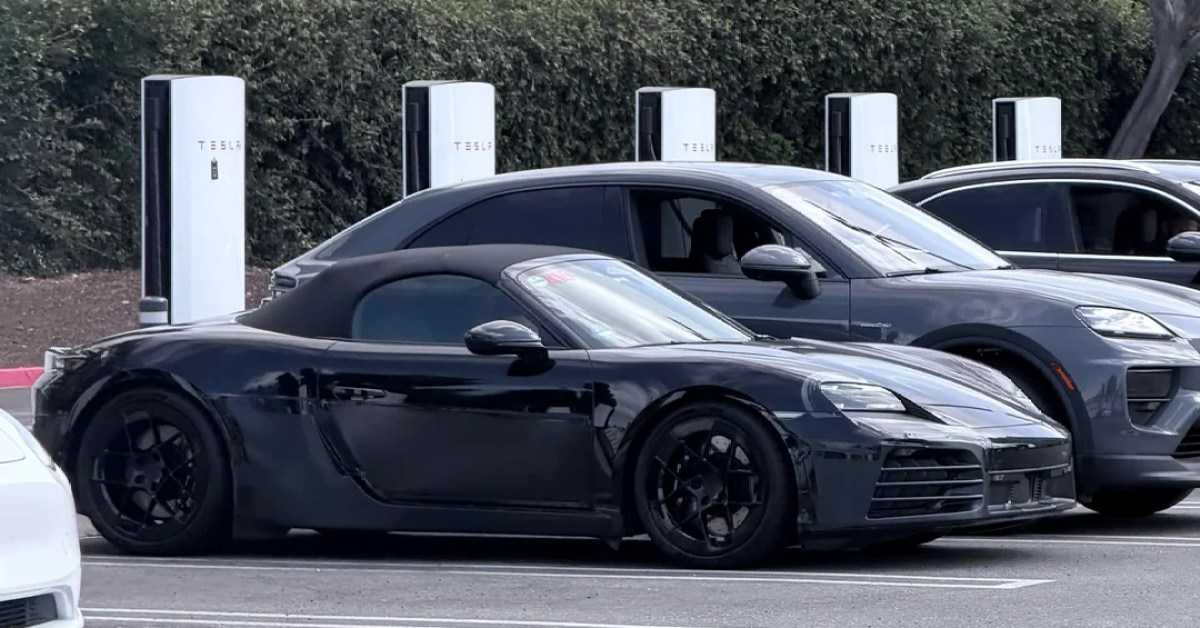
Electric Porsche Boxster Spotted Charging at Tesla Supercharger
An electric version of the Porsche Boxster has been observed charging at a Tesla Supercharger…
1d ago
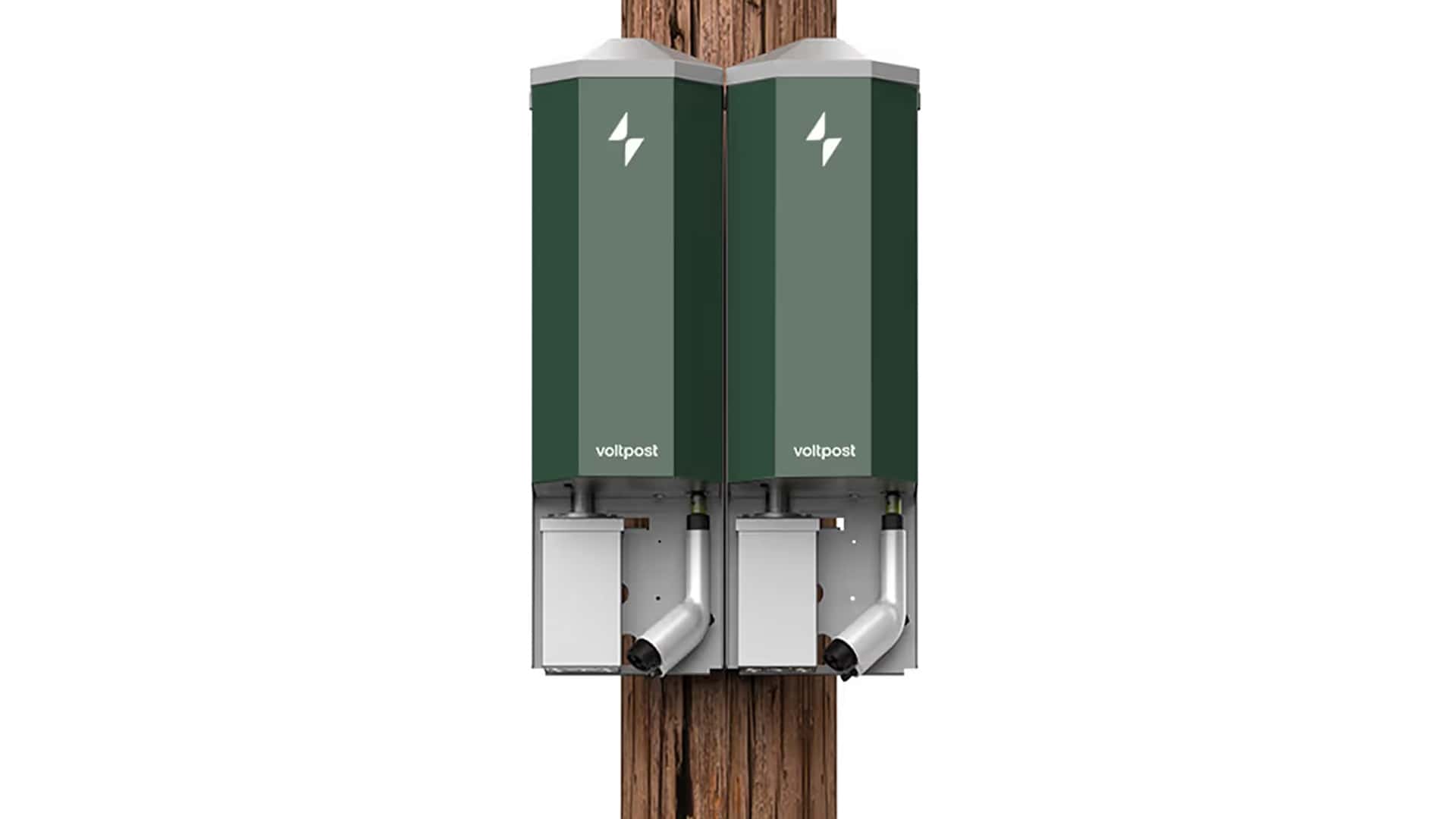
Voltpost Expands Lamppost EV Chargers with Free Top-Ups in Brooklyn
Voltpost has launched over a dozen new lamppost-mounted EV charging ports across New York,…
1d ago

Geely Introduces 2.2MW Charger for 4-Minute EV Charging
Geely has announced a new electric car battery and charging system that enables charging times of…
2d ago