Retiree Transitions to All-Electric Home After Gas Leak
Sherry Frazier's home underwent a $73,200 all-electric retrofit after a gas furnace leak forced her to seek help. The Green & Healthy Homes Initiative (GHHI) covered the costs, making her home safer and reducing her utility bills. While her winter heating costs spiked initially, adjustments improved efficiency.

Key takeaways
30-second read- 1The GHHI program offers free retrofits to low-income households, enhancing safety and reducing energy costs.
- 2Homeowners can significantly lower their utility bills by switching from gas to electric appliances, as demonstrated by Frazier's experience.
- 3Increased awareness of the health risks associated with gas appliances may encourage more seniors to consider electrification.
Confirmed
No official source linked yet
Reported
Secondary reporting: Canary Media
Verify yourself
Eligibility, local prices and dates for your car, state or utility
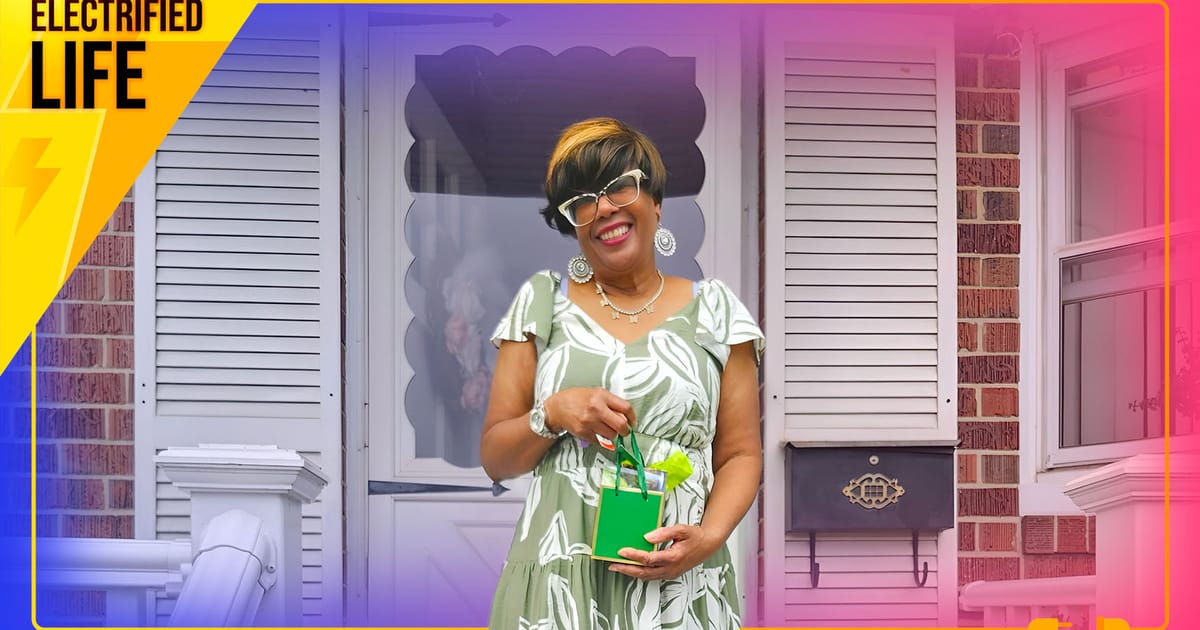
Sherry Frazier's transition to an all-electric home was prompted by a gas leak from her furnace that posed serious health risks. After experiencing headaches and dizziness, she sought assistance and was connected to the Green & Healthy Homes Initiative (GHHI), which specializes in improving living conditions for low-income households. GHHI coordinated a comprehensive retrofit of Frazier's Baltimore home, replacing gas appliances with electric ones and addressing underlying issues such as a leaky roof and poor insulation.
What changed
The retrofit, completed by March 2023, included the installation of a heat pump system, induction stove, electric-resistance dryer, and heat-pump water heater, along with a new refrigerator. The total cost of the improvements was approximately $73,200, fully funded by GHHI through various local and federal programs. Frazier reported feeling much safer in her home after the changes, which also led to a significant reduction in her utility bills.
Why it matters for buyers and owners
The GHHI program highlights the potential for free home retrofits for eligible low-income households, which can lead to safer living environments and lower energy costs. Frazier's experience illustrates that switching from gas to electric appliances can yield substantial savings; her monthly utility bills dropped from an average of $230 to around $170 after the retrofit. However, she initially faced high heating costs during the winter due to improper use of the heat pump, which underscores the importance of proper appliance operation.
Key details
- GHHI's retrofit program is aimed at improving health and safety in homes, particularly those with older infrastructure.
- The program is funded through local and federal sources, including Maryland’s EmPOWER program and the U.S. Department of Housing and Urban Development.
- Frazier's case serves as a model for how electrification can benefit low-income families, both financially and health-wise.
What to watch next
As more homeowners become aware of the dangers associated with gas appliances, initiatives like GHHI may expand, potentially leading to increased funding and support for electrification projects. Additionally, the long-term impact of these retrofits on energy consumption and health outcomes will be important to monitor as more families participate in similar programs.
Sources
1 media- [1]After a gas furnace leak, this retiree went all-electric — for freeMedia
Canary Media · canarymedia.com · published Nov 9
Newsletter
Weekly EV signal. No spam.
Comments
Log in with
Loading comments…