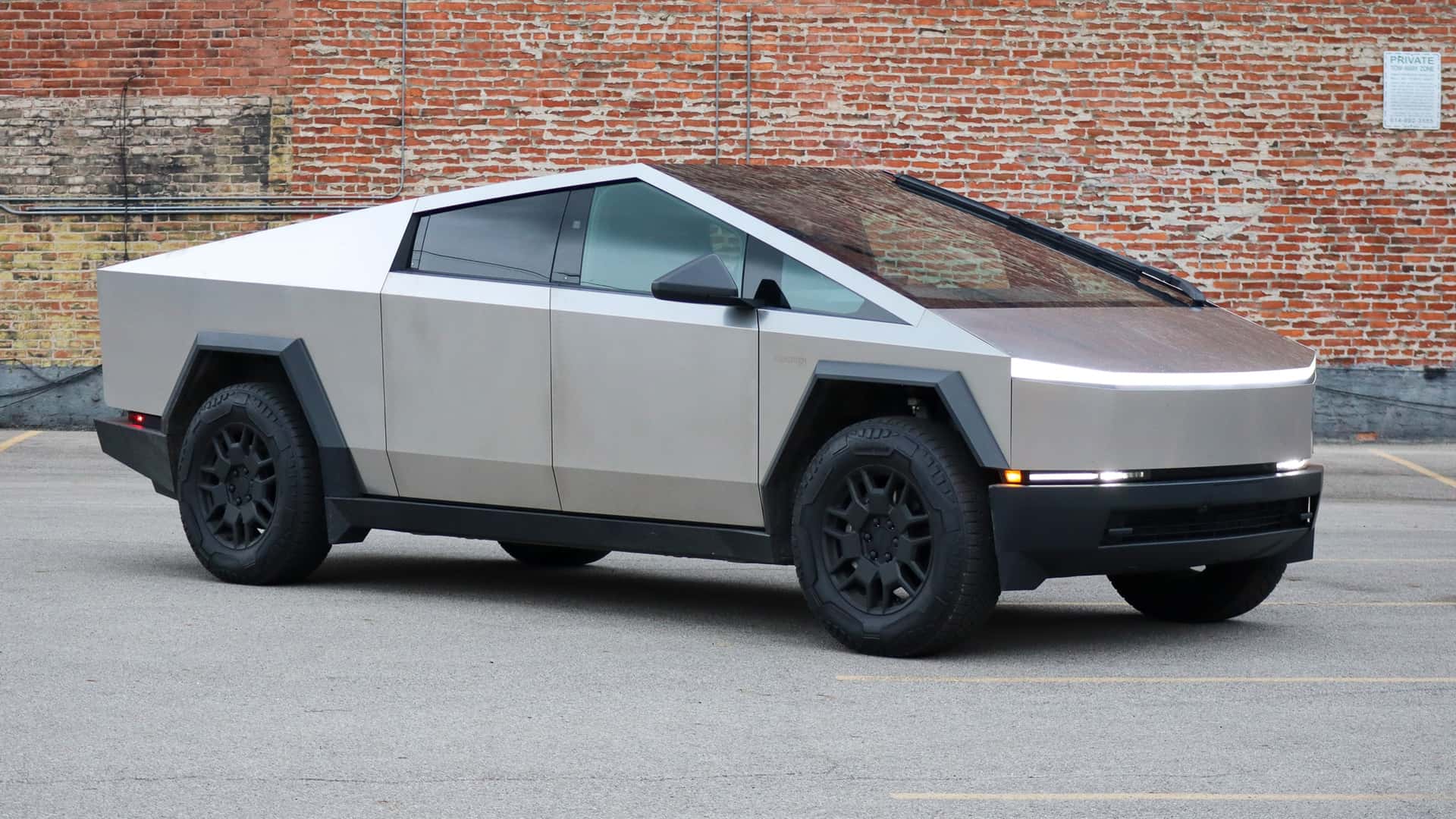
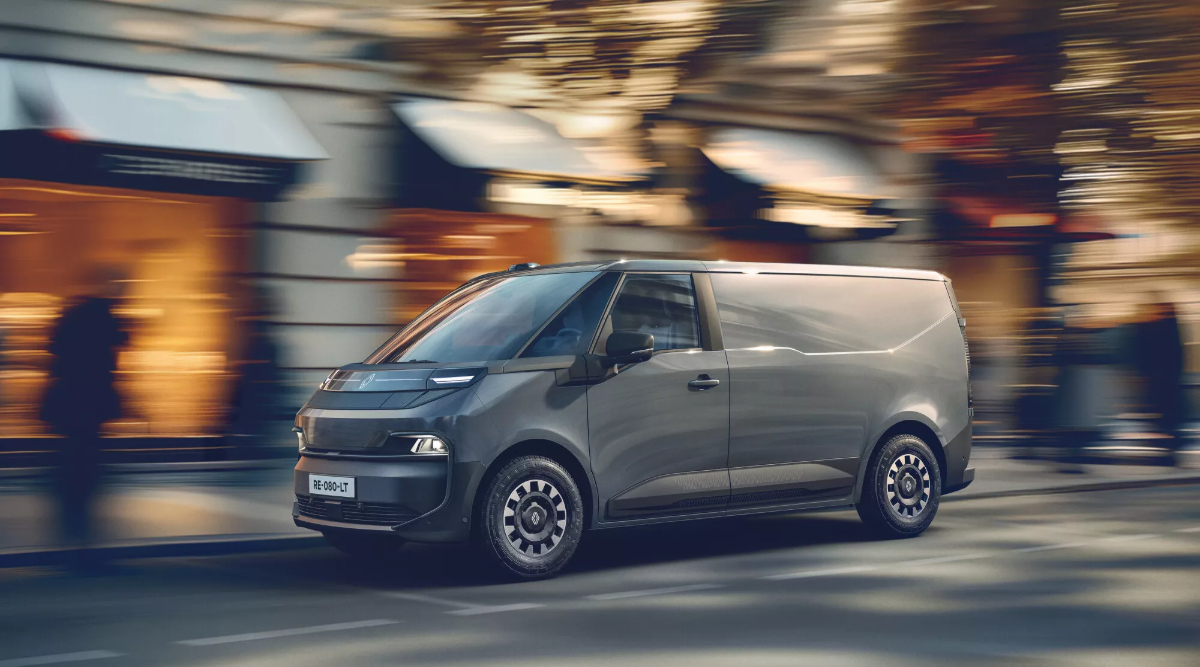
Nuro Begins Driverless Testing of Lucid Gravity Robotaxis
Nuro has commenced driverless testing of Lucid Gravity robotaxis in the Bay Area, removing safety drivers from the vehicles. The public launch, initially set for 2026, is now anticipated in Q1 2027. This marks a significant step for the Uber-Nuro-Lucid partnership, although the timeline has shifted.

Key takeaways
30-second read- 1This testing phase could lead to increased availability of autonomous ride-hailing services in the Bay Area, impacting local transportation options.
- 2The delay in the public launch to Q1 2027 may affect consumer expectations and planning for using these services.
- 3The partnership could provide Lucid with necessary production volume, potentially leading to more affordable vehicle options in the future.
Confirmed
No official source linked yet
Reported
Secondary reporting: Electrek
Verify yourself
Eligibility, local prices and dates for your car, state or utility

Nuro has officially begun driverless testing of its Lucid Gravity robotaxis on public roads in the San Francisco Bay Area, marking a significant advancement in its partnership with Uber and Lucid. The company has removed safety drivers from the vehicles, which are now operating autonomously in four cities: Palo Alto, Mountain View, Los Altos, and Sunnyvale. This testing phase is part of a broader initiative that aims to enhance the availability of autonomous ride-hailing services in urban areas.
What changed
The transition to driverless operation comes after Nuro conducted extensive testing at a closed course in Las Vegas, focusing on various scenarios such as pedestrian encounters and right-of-way violations. The California DMV has granted Nuro the necessary permits to conduct this testing without a driver, making it one of only six companies authorized to do so on California roads. The public launch of the service, initially expected in 2026, has now been pushed to Q1 2027.
Why it matters for buyers and owners
- The introduction of driverless robotaxis could significantly alter transportation options in the Bay Area, providing residents with a new, potentially more affordable way to travel.
- The delay in the public launch may lead to uncertainty among potential users who are eager for the availability of autonomous ride-hailing services.
- For Lucid, this partnership represents a crucial opportunity to increase production volume, which could help the company move towards offering more affordable vehicle models in the future.
Key details
Nuro's fleet consists of over 100 Lucid Gravity SUVs, and the company plans to expand its testing to additional Bay Area cities in the coming year. Uber has increased its commitment to the program, now planning to acquire at least 35,000 vehicles, up from an initial 20,000. This ambitious scale aims to meet the growing demand for autonomous ride-hailing services, although it raises questions about Lucid's production capabilities given its current output.
What to watch next
As Nuro continues its driverless testing, observers will be keen to see how the public responds to the service once it launches. Additionally, the performance of the Lucid Gravity in real-world conditions will be critical in determining the success of this initiative. The ongoing developments in the autonomous vehicle sector, particularly in relation to regulatory approvals and consumer adoption, will also be pivotal in shaping the future of ride-hailing services.
Sources
1 media- [1]Nuro pulls safety drivers from Lucid Gravity Uber robotaxis in Bay AreaMedia
Electrek · electrek.co · published Nov 24
Newsletter
Weekly EV signal. No spam.
Comments
Log in with
Loading comments…