
Republicans Propose New Inspection Fees for Energy Projects
Updated June 10, 2026
3 min read
1 linked source
Republican lawmakers are introducing new inspection fees aimed at cheap energy projects, which could lead to increased electricity costs. This proposal primarily targets renewable energy initiatives, potentially impacting consumers who rely on affordable energy sources. The full implications of these fees on electricity prices and energy accessibility remain uncertain.
Share this story
Why it matters
- ✓Increased fees could lead to higher electricity costs for EV owners, affecting the overall cost of charging their vehicles.
- ✓If renewable energy projects face additional financial burdens, this could slow the transition to cleaner energy sources, limiting options for EV charging.
- ✓Higher costs associated with electricity may deter potential EV buyers, impacting the growth of the electric vehicle market.
Reporting notes
EV Signal briefs are written to explain the verified change first, then add the context EV buyers and owners need to understand cost, availability, charging access, eligibility, or ownership impact.
If details are still developing, we try to say what is confirmed, what comes from secondary reporting, and what readers should verify before acting.
Source mix
1 linked source
1 media
Reviewed from: Electrek.
New Inspection Fees Proposed
Republican lawmakers are proposing new inspection fees that could significantly increase the cost of electricity, particularly for renewable energy projects. This move appears to be aimed at protecting fossil fuel interests as the market shifts towards more affordable and sustainable energy options.
What Changed
The proposal introduces substantial inspection fees for cheap energy projects, which are often associated with renewable energy sources. This initiative is seen as a way to impose additional financial burdens on these projects, potentially leading to higher electricity prices for consumers. The full details of the fees and their implementation timeline are still unclear, but the intent seems to be to slow the growth of renewable energy in favor of traditional fossil fuels.
Why It Matters for Buyers and Owners
For electric vehicle (EV) buyers and owners, this proposal could have several implications:
- Increased Charging Costs: If electricity prices rise due to these new fees, EV owners may face higher costs when charging their vehicles, which could affect their overall ownership experience.
- Slower Transition to Renewables: The additional financial burden on renewable energy projects may hinder the transition to cleaner energy sources, limiting the availability of affordable and sustainable charging options for EVs.
- Market Impact: Higher electricity costs could deter potential buyers from switching to electric vehicles, impacting the growth of the EV market and the broader adoption of sustainable transportation.
Key Details from Source Material
According to Electrek, the proposed fees are part of a broader strategy by Republican lawmakers to protect fossil fuel interests amid the rising popularity of renewable energy. As energy prices continue to climb, this move may exacerbate the affordability crisis for consumers, particularly those looking to invest in electric vehicles.
What to Watch Next
As this proposal develops, it will be important to monitor the legislative process and any potential pushback from advocates of renewable energy. The implications of these fees on electricity pricing and the overall energy landscape will be crucial for consumers, especially those considering or currently owning electric vehicles. Keep an eye on updates regarding the specifics of the proposed fees and any responses from the renewable energy sector.
Sources
These are the documents and reports used to build this brief so readers can verify the story directly.
Comments
Log in with
Loading comments…
More in Charging
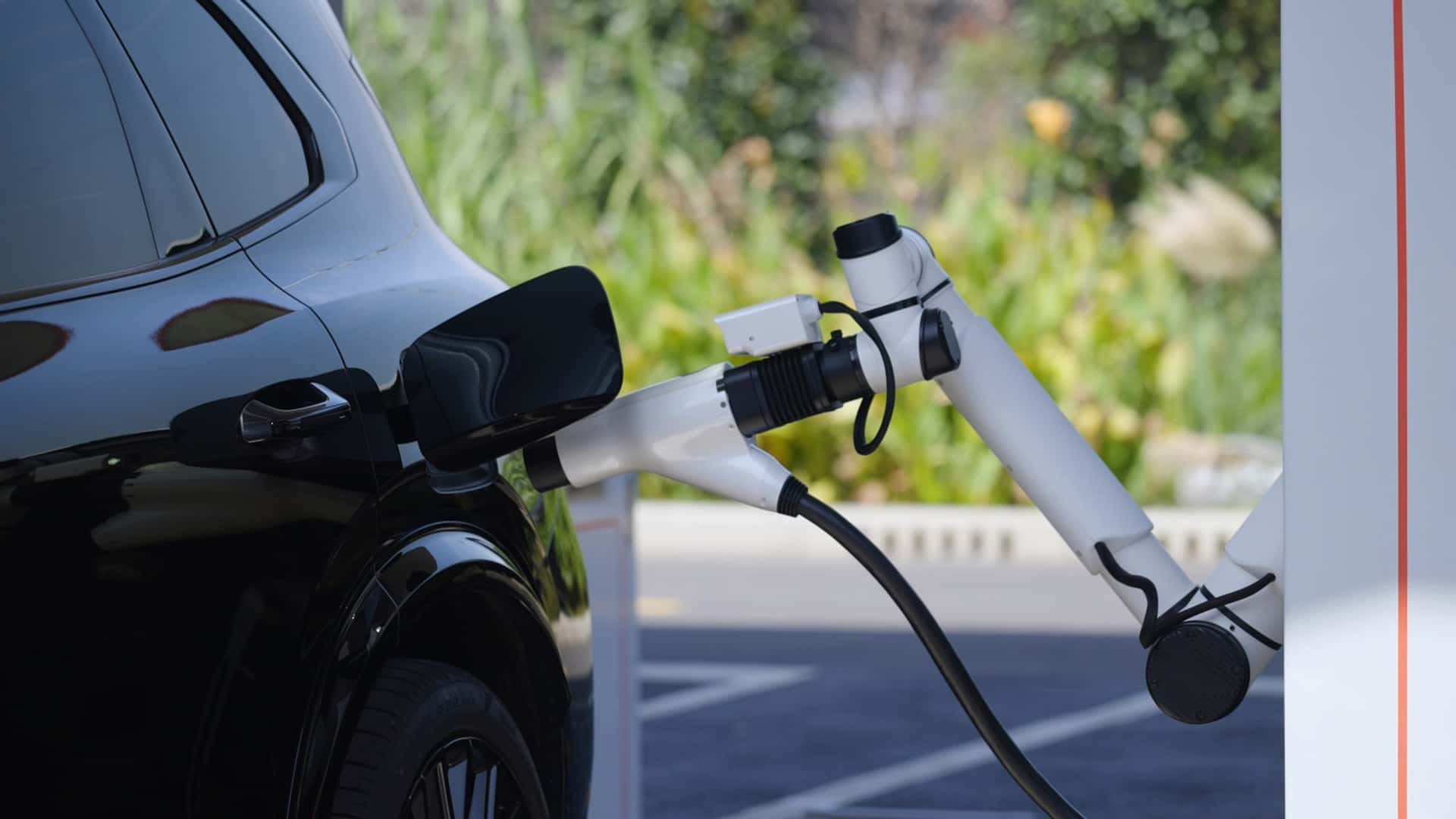
Geely Unveils 2.25 Megawatt EV Charger, Outpacing Competitors
Geely has introduced a new electric vehicle (EV) charger with an impressive output of 2.25…
18h ago
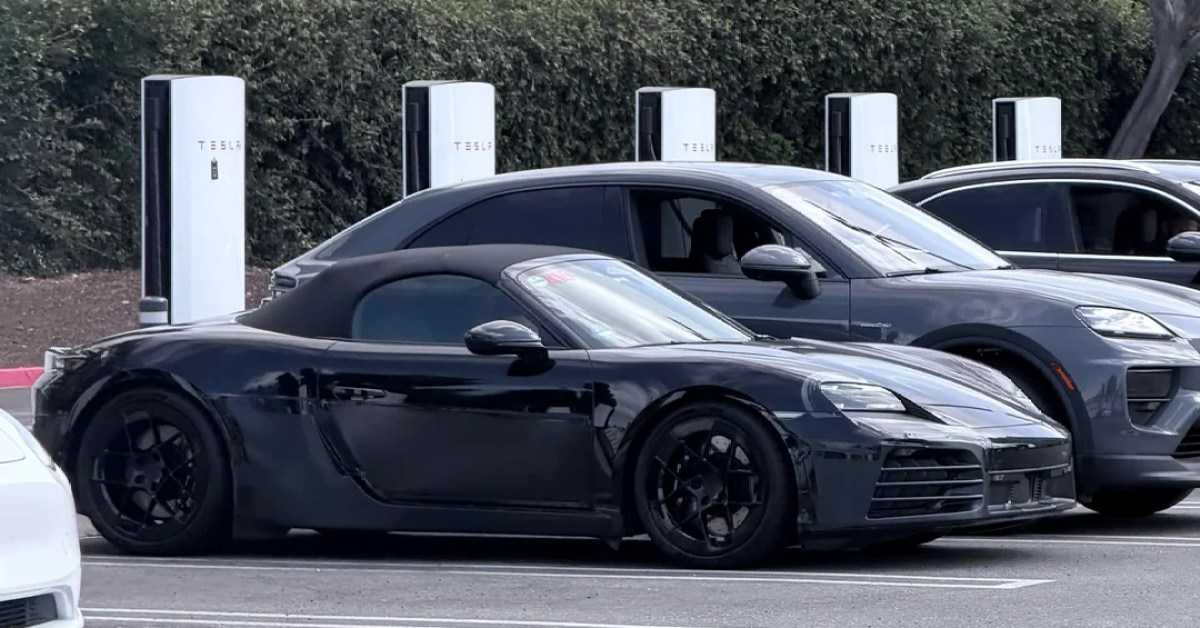
Electric Porsche Boxster Spotted Charging at Tesla Supercharger
An electric version of the Porsche Boxster has been observed charging at a Tesla Supercharger…
1d ago
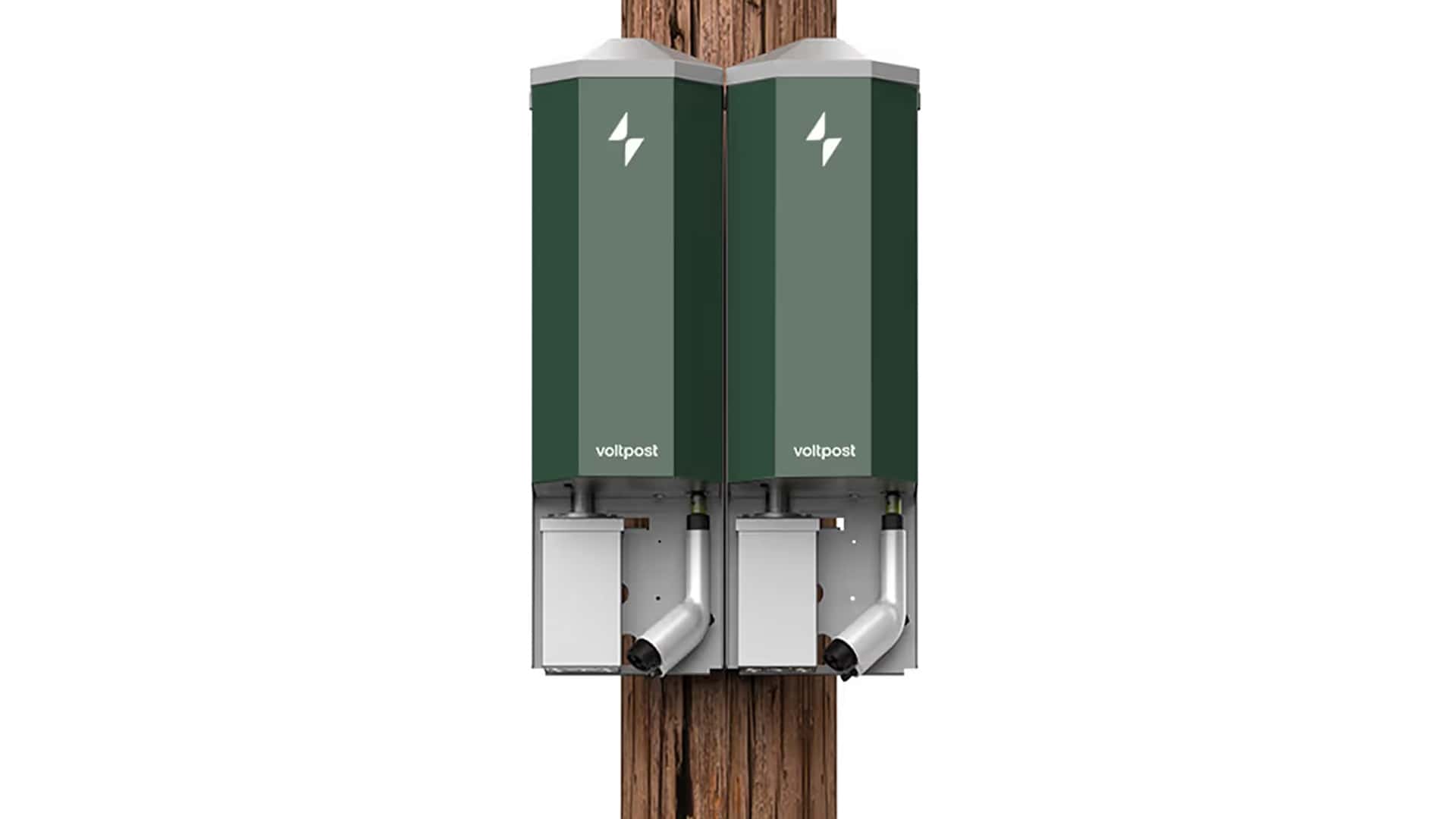
Voltpost Expands Lamppost EV Chargers with Free Top-Ups in Brooklyn
Voltpost has launched over a dozen new lamppost-mounted EV charging ports across New York,…
1d ago

Geely Introduces 2.2MW Charger for 4-Minute EV Charging
Geely has announced a new electric car battery and charging system that enables charging times of…
2d ago