Renewables to Surpass 40% of Total U.S. Generating Capacity, EIA Reports
According to the U.S. Energy Information Administration (EIA), renewable energy sources are projected to increase their share of total generating capacity from 37.7% to 40.4% within the next year. This growth will allow renewables to surpass natural gas capacity and significantly outpace nuclear energy. The report highlights a significant shift in the energy landscape, but further details on the implications for energy prices and infrastructure are still developing.

Key takeaways
30-second read- 1Increased reliance on renewables may lead to lower electricity prices, benefiting EV owners by reducing charging costs.
- 2As renewable energy sources become more dominant, charging infrastructure may become more accessible and reliable, enhancing the convenience of owning an EV.
- 3The shift away from natural gas could influence state and federal policies regarding EV incentives and infrastructure development.
Confirmed
No official source linked yet
Reported
Secondary reporting: Electrek
Verify yourself
Eligibility, local prices and dates for your car, state or utility
Renewables to Surpass 40% of Total U.S. Generating Capacity
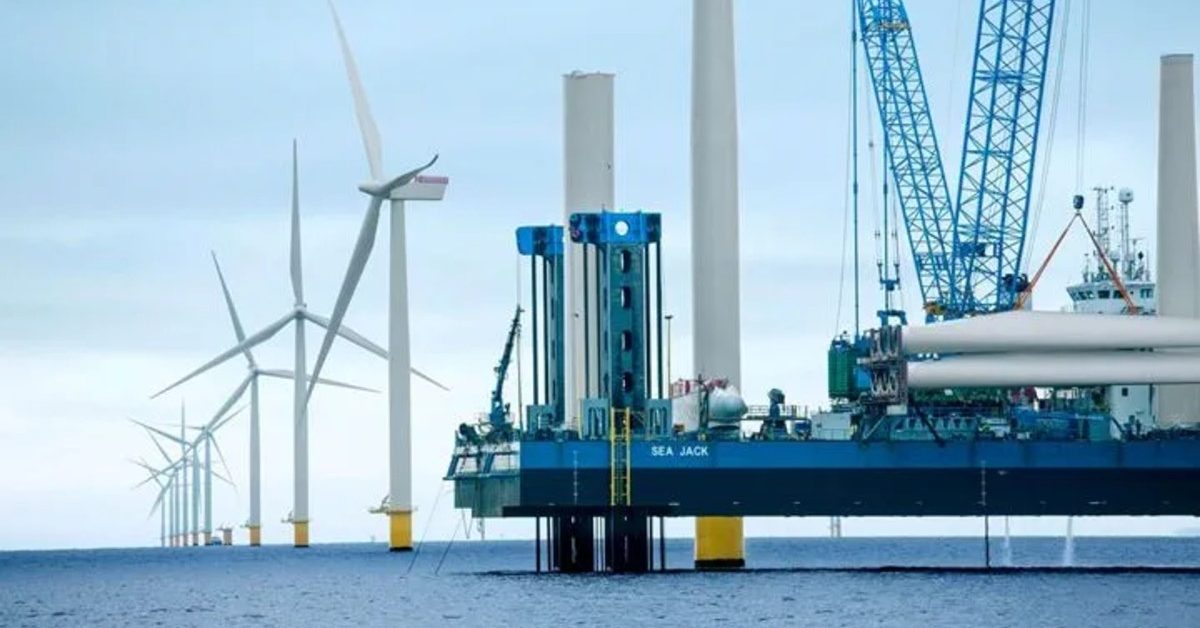
According to a recent report from the U.S. Energy Information Administration (EIA), renewable energy sources are set to increase their share of total generating capacity from 37.7% to 40.4% within the next year. This marks a significant milestone as renewables will not only surpass natural gas capacity but will also outstrip nuclear energy capacity by a factor of five. This shift represents a pivotal change in the U.S. energy landscape, with implications for both consumers and the EV market.
What Changed
The EIA's report indicates a clear upward trend in the adoption of renewable energy sources, which include wind, solar, and other sustainable technologies. The projected increase to 40.4% signifies a growing commitment to cleaner energy and a potential decline in reliance on fossil fuels. This change is particularly noteworthy as it positions renewables as the leading source of energy generation in the U.S., surpassing natural gas, which has been a dominant player in the energy market for years.
Why It Matters for Buyers and Owners
-
Lower Electricity Prices: As the share of renewables increases, there is potential for a decrease in electricity prices. This could directly benefit EV owners, as lower electricity costs would reduce the overall cost of charging their vehicles.
-
Enhanced Charging Infrastructure: With the growth of renewable energy, there may be an increase in investment in charging infrastructure. This could lead to more accessible and reliable charging stations, making it easier for EV owners to charge their vehicles on the go.
-
Policy Implications: The shift away from natural gas could influence state and federal policies regarding EV incentives and infrastructure development. As renewables become more prevalent, there may be new opportunities for incentives that support EV ownership and usage.
Key Details from Source Material
The data released by the EIA and reviewed by the SUN DAY Campaign highlights the significant growth of renewable energy sources in the U.S. energy mix. The report emphasizes that renewables will not only surpass natural gas but will also have a substantial lead over nuclear energy, indicating a major transformation in how energy is generated and consumed in the country. This transition is expected to occur within the next year, reflecting a broader trend toward sustainability and environmental responsibility.
What to Watch Next
As the energy landscape continues to evolve, it will be important to monitor how these changes affect electricity prices and the development of charging infrastructure. Additionally, stakeholders in the EV market should keep an eye on potential policy changes that may arise from this shift toward renewable energy. The implications for EV buyers and owners could be significant, and further details will likely emerge as the EIA and other organizations continue to assess the impact of these developments.
In conclusion, the EIA's report underscores a critical moment in the transition to renewable energy in the U.S. As renewables approach 40% of total generating capacity, the implications for EV owners and buyers are promising, with potential benefits in cost savings and infrastructure improvements.
Buying guide: Best Level 2 Home EV Charger (2026): How to Choose
Sources
1 media- [1]Renewables to reach 40% of total generating capacity, beat gas within a year – EIAMedia
Electrek · electrek.co · published Oct 27
Newsletter
Weekly EV signal. No spam.
Comments
Log in with
Loading comments…