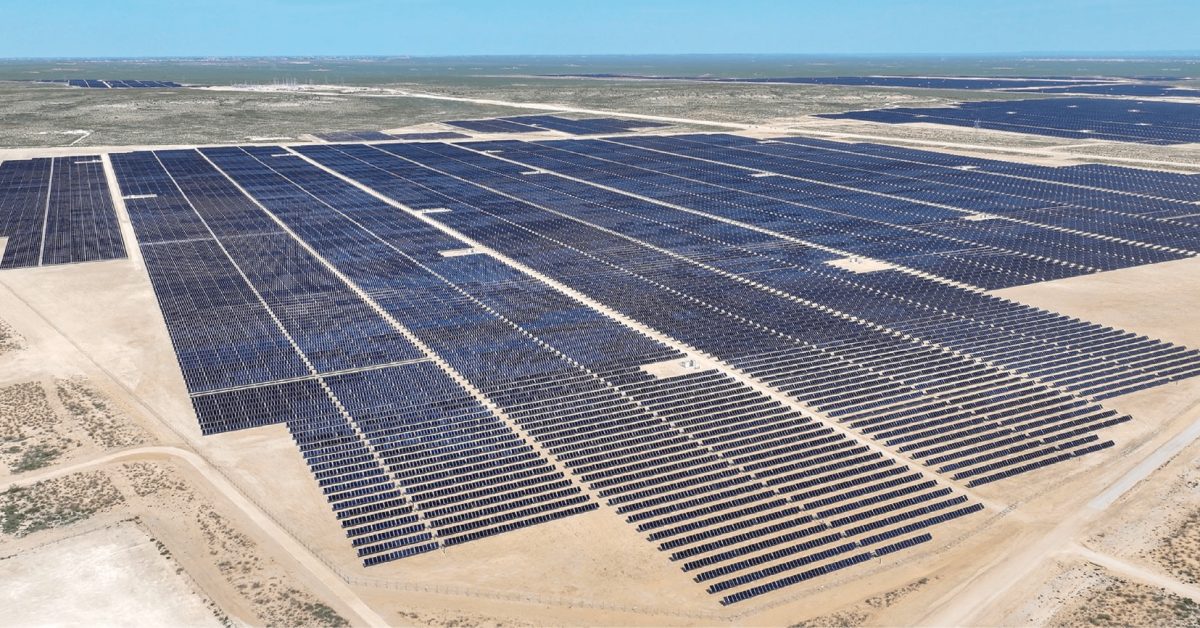
Renewables Set to Surpass Natural Gas Capacity by Summer 2027, EIA Reports
Updated August 28, 2026
3 min read
1 linked source
According to new data from the US Energy Information Administration (EIA), the installed capacity of renewable energy sources, including small-scale solar, is projected to exceed that of natural gas by summer 2027 or potentially sooner. This shift in energy capacity could have significant implications for energy costs and the EV market, although specific impacts on pricing and infrastructure remain to be fully understood.
Share this story
Why it matters
- ✓Increased renewable capacity may lead to lower electricity prices, benefiting EV owners through reduced charging costs.
- ✓Greater reliance on renewables could enhance the sustainability of EV charging infrastructure, aligning with eco-friendly initiatives.
- ✓As renewable energy becomes more prevalent, it may improve the availability and reliability of charging stations powered by clean energy.
Reporting notes
EV Signal briefs are written to explain the verified change first, then add the context EV buyers and owners need to understand cost, availability, charging access, eligibility, or ownership impact.
If details are still developing, we try to say what is confirmed, what comes from secondary reporting, and what readers should verify before acting.
Source mix
1 linked source
1 media
Reviewed from: Electrek.
Renewables Set to Surpass Natural Gas Capacity by Summer 2027
According to the latest data released by the US Energy Information Administration (EIA), the installed capacity of renewable energy sources is expected to surpass that of natural gas by the summer of 2027, with the possibility of this milestone being reached even sooner. This projection includes contributions from new small-scale solar installations, which are becoming increasingly prevalent across the United States.
What Changed?
The EIA's recent findings indicate a significant shift in the energy landscape, as renewables are on track to outpace natural gas in terms of installed capacity. This change is particularly noteworthy given the historical dominance of natural gas in the energy sector. The analysis was reviewed by the SUN DAY Campaign, which emphasizes the importance of transitioning to cleaner energy sources.
Why It Matters for Buyers and Owners
The anticipated increase in renewable energy capacity has several implications for electric vehicle (EV) buyers and owners:
- Cost Efficiency: As renewable energy sources become more dominant, electricity prices may decrease, resulting in lower charging costs for EV owners. This could make owning and operating an electric vehicle more financially attractive.
- Sustainable Charging Options: With a greater share of the energy grid powered by renewables, EV charging stations are likely to become more sustainable. This aligns with the goals of environmentally conscious consumers who prioritize green energy.
- Infrastructure Reliability: An increase in renewable energy capacity could lead to improved availability and reliability of charging stations, particularly those powered by clean energy. This may enhance the overall EV ownership experience.
Key Details from Source Material
The EIA's report highlights the ongoing transition in energy production, with renewables expected to play a crucial role in the future energy mix. The inclusion of small-scale solar installations is particularly significant, as these systems are often deployed by homeowners and businesses, contributing to localized energy generation. The SUN DAY Campaign's review of the EIA data underscores the importance of this transition in achieving energy independence and sustainability goals.
What to Watch Next
As the energy landscape continues to evolve, it will be important to monitor the following developments:
- Policy Changes: Keep an eye on government policies that may support the growth of renewable energy and its integration into the grid.
- Market Trends: Watch for trends in electricity pricing and how they may affect the cost of charging EVs.
- Infrastructure Investments: Observe investments in charging infrastructure and how they align with the increasing capacity of renewable energy sources.
In conclusion, the EIA's projection that renewables will surpass natural gas capacity marks a significant milestone in the transition to cleaner energy. While the full implications for EV buyers and owners are still unfolding, the potential for lower costs and enhanced sustainability is promising.
Sources
These are the documents and reports used to build this brief so readers can verify the story directly.
Comments
Log in with
Loading comments…
More in Charging
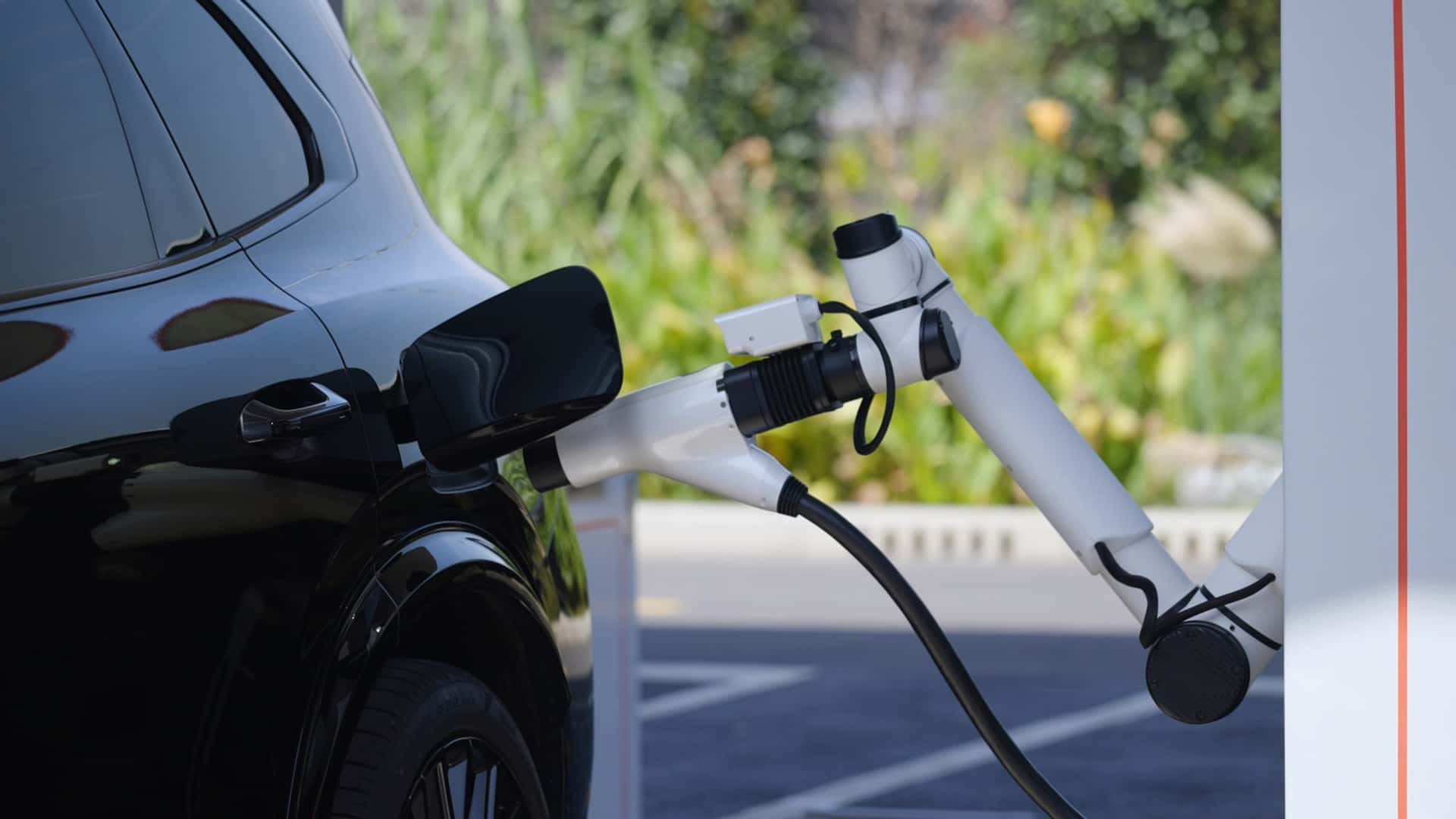
Geely Unveils 2.25 Megawatt EV Charger, Outpacing Competitors
Geely has introduced a new electric vehicle (EV) charger with an impressive output of 2.25…
18h ago
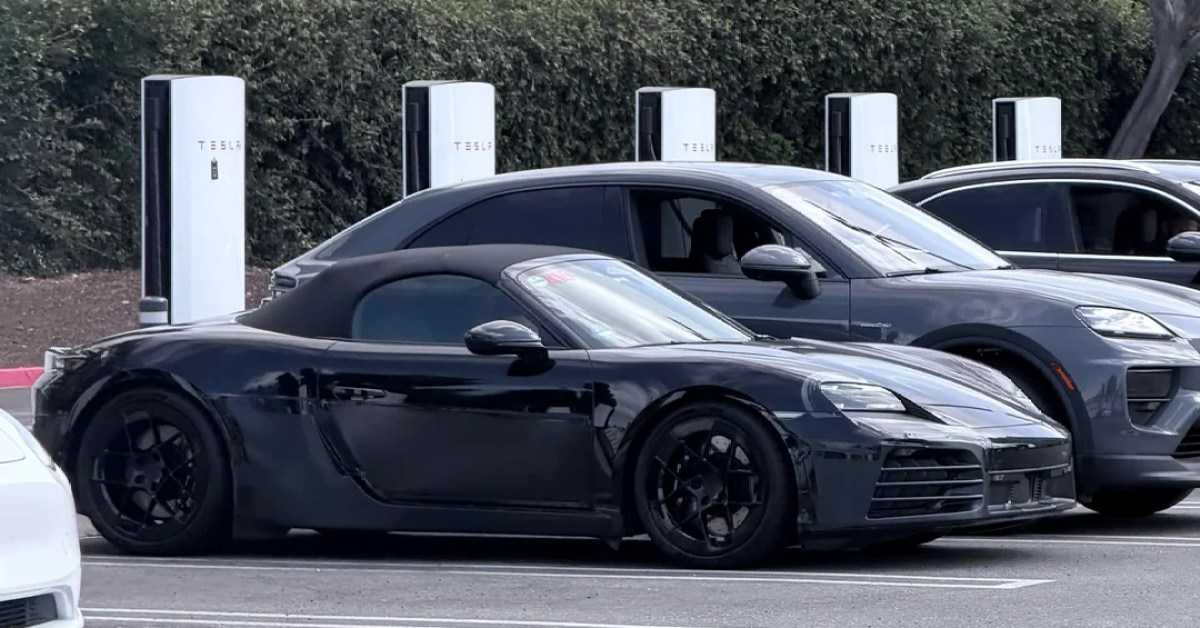
Electric Porsche Boxster Spotted Charging at Tesla Supercharger
An electric version of the Porsche Boxster has been observed charging at a Tesla Supercharger…
1d ago
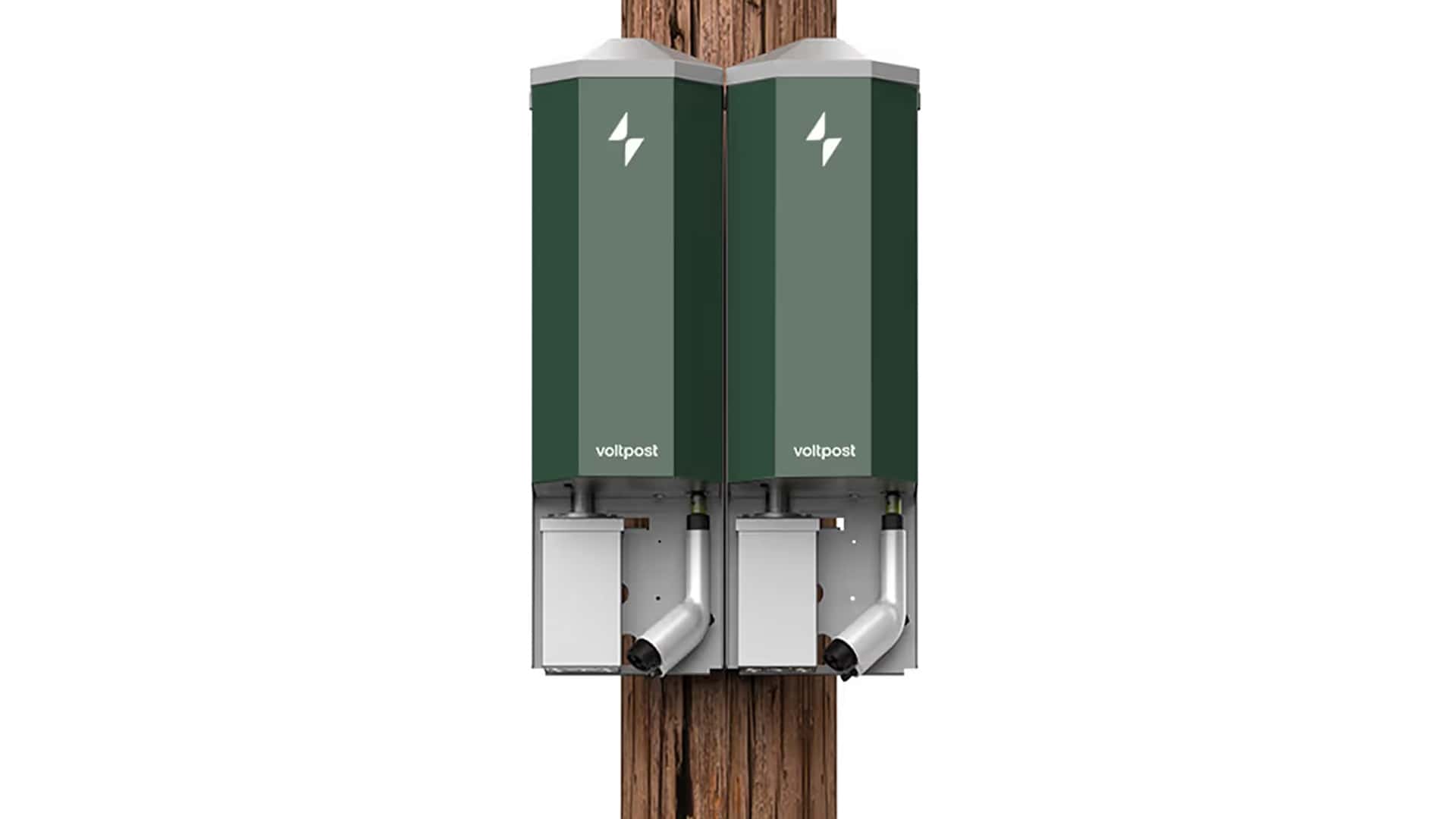
Voltpost Expands Lamppost EV Chargers with Free Top-Ups in Brooklyn
Voltpost has launched over a dozen new lamppost-mounted EV charging ports across New York,…
1d ago

Geely Introduces 2.2MW Charger for 4-Minute EV Charging
Geely has announced a new electric car battery and charging system that enables charging times of…
2d ago