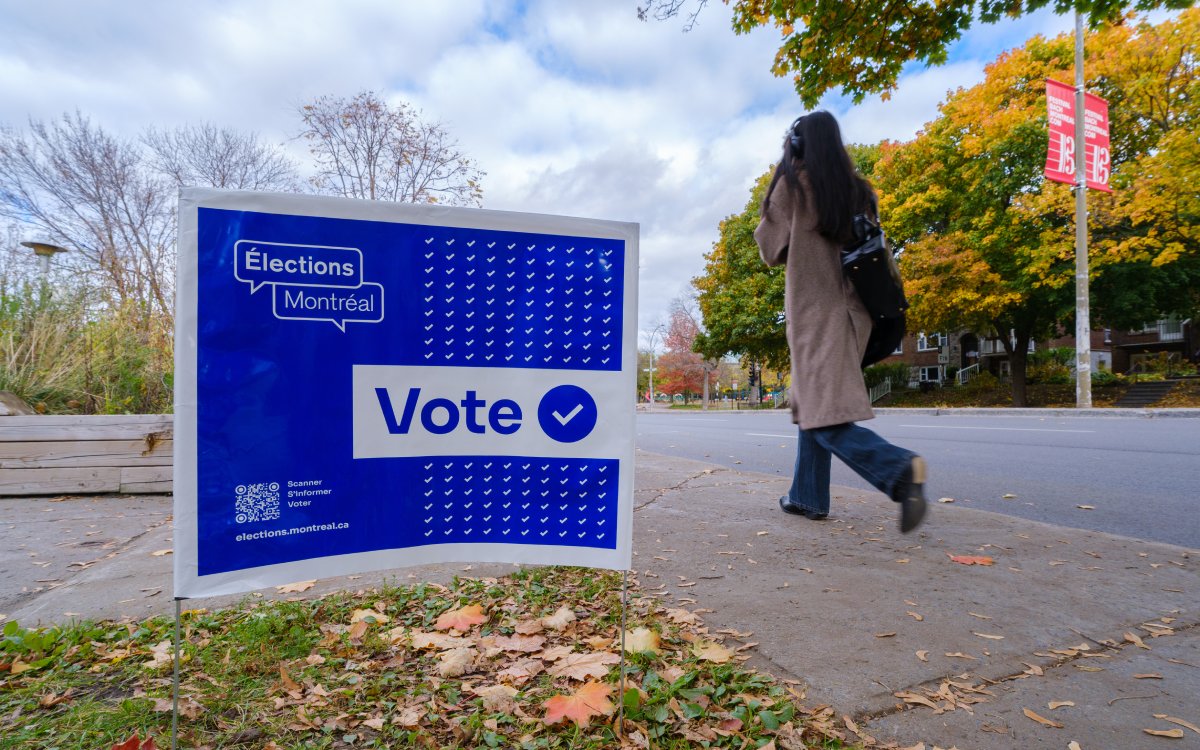
Quebec Parties Present Divergent EV Strategies Ahead of Election

Edited by Dash Coilwright
Incentives & Software
Updated October 2, 2026
3 min read
1 linked source
Ahead of the upcoming election, five major political parties in Quebec have unveiled differing strategies regarding electric vehicle (EV) sales targets, home charging infrastructure, and zero-emission trucks. This divergence could significantly impact EV buyers and owners in the province, particularly in terms of incentives and charging access. The full implications of these strategies remain uncertain as the election approaches.
Share this story
Why it matters
- ✓The varying EV strategies could influence the availability of incentives for purchasing electric vehicles, affecting overall ownership costs.
- ✓Differing approaches to home charging infrastructure may impact the accessibility and convenience of charging for EV owners.
- ✓The emphasis on zero-emission trucks could shape the commercial EV market, affecting businesses that rely on such vehicles.
Overview of the Situation
As Quebec approaches its upcoming election, the province's five major political parties have released their strategies regarding electric vehicles (EVs). These strategies vary significantly, particularly in areas such as sales targets, home charging solutions, and the promotion of zero-emission trucks. This divergence in policy could have substantial implications for current and prospective EV buyers and owners in Quebec.
What Changed?
The key change is the distinct approaches taken by each of the five parties regarding their EV strategies. According to reports from Electric Autonomy Canada, industry association Electric Mobility Canada, and the Quebec EV group AVEQ, these strategies encompass a range of topics, including:
- Sales Targets: Each party has proposed different targets for EV sales, which could influence market dynamics and consumer choices.
- Home Charging: The parties have varying plans for enhancing home charging infrastructure, a critical aspect for potential EV buyers considering the practicality of owning an electric vehicle.
- Zero-Emission Trucks: There is a noticeable emphasis on promoting zero-emission trucks, which could impact businesses and commercial fleets looking to transition to greener alternatives.
Why It Matters for Buyers and Owners
The differences in EV strategies among the political parties could have several important implications for EV buyers and owners in Quebec:
- Incentives: Depending on which party gains power, the availability and structure of financial incentives for purchasing EVs may change, affecting the affordability of electric vehicles.
- Charging Access: The commitment to improving home charging infrastructure will directly impact the convenience and feasibility of owning an EV, especially for those living in urban areas or without dedicated parking.
- Commercial Market Impact: The focus on zero-emission trucks may encourage businesses to invest in electric commercial vehicles, potentially leading to a broader market for EVs and influencing pricing and availability.
Key Details from Source Material
The reports highlight that the five major parties in Quebec are not aligned in their vision for the future of electric vehicles. This lack of consensus could lead to a fragmented approach to EV adoption in the province. For instance, some parties may prioritize aggressive sales targets and incentives, while others might focus more on infrastructure development or specific vehicle types like zero-emission trucks.
The Electric Mobility Canada and AVEQ have emphasized the importance of these strategies, suggesting that the chosen policies will play a crucial role in shaping the EV landscape in Quebec. The outcome of the election could set the tone for the province's commitment to electric mobility and its goals for reducing greenhouse gas emissions.
What to Watch Next
As the election date approaches, it will be essential to monitor the evolving discussions and debates surrounding these EV strategies. Key points to watch include:
- Party Platforms: How each party refines its platform in response to public opinion and emerging trends in the EV market.
- Public Response: The reaction from voters and industry stakeholders to the proposed strategies, which could influence the final election outcomes.
- Post-Election Policies: The implementation of whichever party wins, particularly regarding incentives and infrastructure development for EVs.
In conclusion, the split in EV strategies among Quebec's political parties highlights the complexity of transitioning to electric mobility in the province. As voters prepare to make their choices, the implications of these strategies for EV buyers and owners will be a critical factor to consider.
Sources
These are the documents and reports used to build this brief so readers can verify the story directly.
- Quebec parties split on EV strategy ahead of Monday’s election: reports — Electric Autonomy CanadaMEDIA
Reporting notes
EV Signal briefs are written to explain the verified change first, then add the context EV buyers and owners need to understand cost, availability, charging access, eligibility, or ownership impact.
If details are still developing, we try to say what is confirmed, what comes from secondary reporting, and what readers should verify before acting.
Source mix
1 linked source
1 media
Reviewed from: Electric Autonomy Canada.
Comments
Log in with
Loading comments…
More in Incentives

Germany Allows Parked EVs to Sell Power Back to the Grid
Germany is implementing a new policy that enables electric vehicle (EV) owners to sell electricity…
1h ago
Europe's Battery Value Chain to Benefit from Industrial Accelerator Act Incentives
The Industrial Accelerator Act (IAA) aims to provide essential incentives to bolster Europe's…
13h ago
General Motors Sees Significant Drop in EV Sales Amid Tax Credit Changes
General Motors (GM) has reported a staggering 92% decline in Silverado EV sales year over year.…
19h ago
California Introduces Law to Address High Costs of Electric Trucks
California has enacted a new law aimed at reducing the financial burden of electric trucks, which…
1d ago