Potential Return of EV Tax Credit Faces Significant Hurdles
Democrats are pushing to reinstate the EV tax credit, but various challenges may hinder its revival. This situation affects potential EV buyers who could benefit from financial incentives, but uncertainty remains regarding eligibility and implementation timelines.

Key takeaways
30-second read- 1A reinstated tax credit could lower the overall cost of purchasing an EV, making them more accessible to a wider range of consumers.
- 2Eligibility criteria for the tax credit may change, impacting which EV models qualify and who can take advantage of the incentive.
- 3The revival of the tax credit could influence the growth of EV adoption, affecting charging infrastructure development and overall market dynamics.
Confirmed
No official source linked yet
Reported
Secondary reporting: InsideEVs
Verify yourself
Eligibility, local prices and dates for your car, state or utility
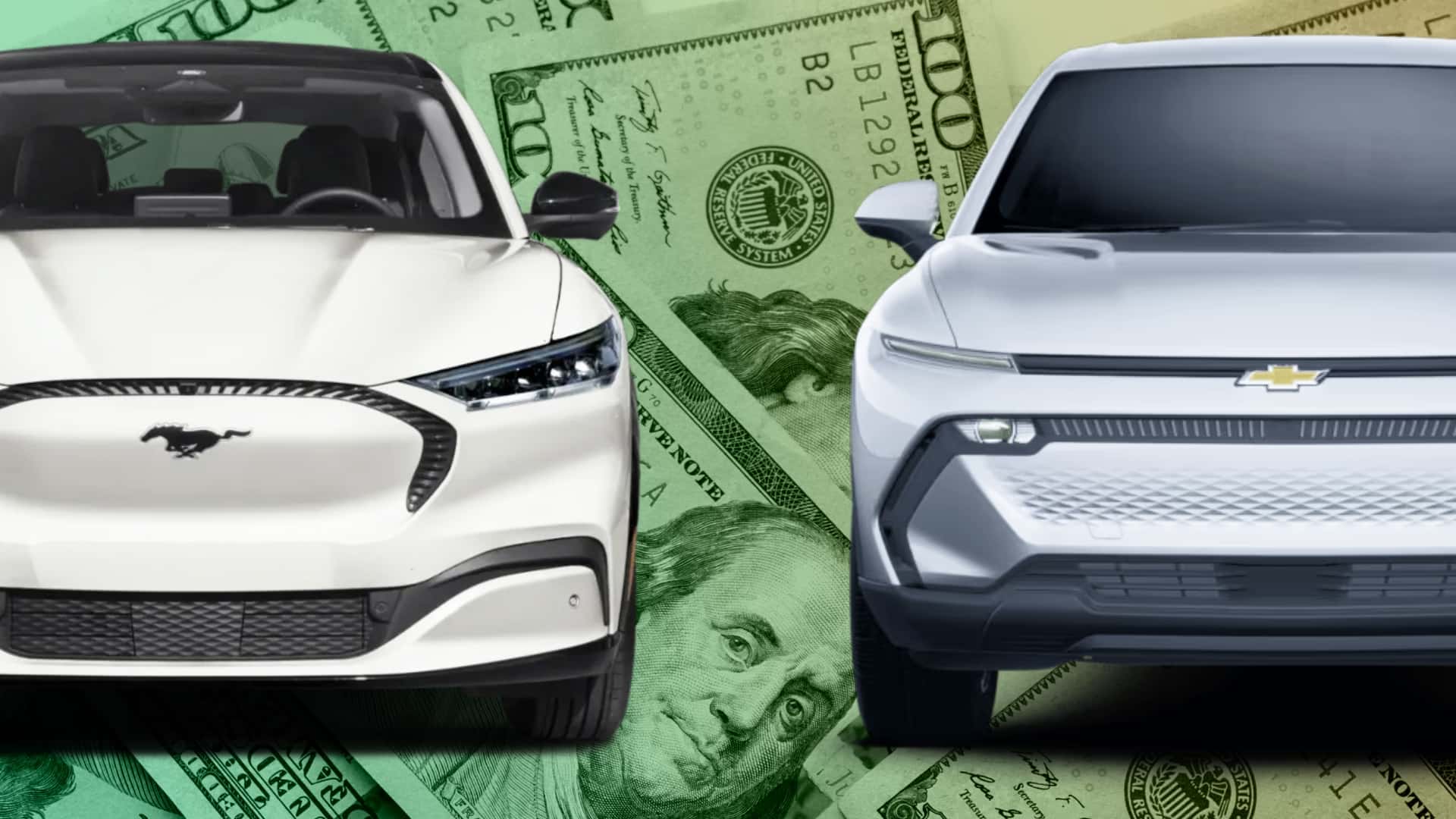
Potential Return of EV Tax Credit Faces Significant Hurdles
Democrats are actively seeking to bring back the EV tax credit, a financial incentive that could significantly impact the affordability of electric vehicles (EVs) for consumers. However, various hurdles remain that could complicate the reinstatement process.
What Changed
The push for the revival of the EV tax credit comes amid ongoing discussions in Congress, particularly among Democratic lawmakers. They believe that reintroducing this tax incentive could stimulate EV sales and support the transition to cleaner transportation. However, the timeline for any potential reinstatement remains uncertain, and several factors could impede progress.
Why It Matters for Buyers/Owners
- Cost Reduction: If the EV tax credit is reinstated, it could lower the purchase price of EVs, making them more financially viable for a broader audience.
- Eligibility Changes: The criteria for qualifying for the tax credit may be revised, which could affect which EV models are eligible and who can claim the credit.
- Market Impact: The revival of the tax credit could accelerate EV adoption, influencing the development of charging infrastructure and the overall market landscape for electric vehicles.
Key Details from Source Material
According to InsideEVs, the Democrats' initiative to reinstate the EV tax credit is part of a broader effort to promote electric vehicle adoption. However, the article highlights that there are significant hurdles to overcome, including potential opposition from Republican lawmakers and the need for bipartisan support to pass any new legislation.
The article also points out that the timing of any reinstatement is unclear, which adds to the uncertainty for potential buyers considering an EV purchase. Without a clear timeline or defined eligibility criteria, consumers may hesitate to commit to buying an electric vehicle, waiting for potential incentives to materialize.
What to Watch Next
As discussions continue, it will be important to monitor developments in Congress regarding the EV tax credit. Key points to watch include:
- Any proposed legislation that outlines the specifics of the tax credit, including eligibility and amounts.
- Reactions from both Democratic and Republican lawmakers, as bipartisan support will be crucial for the credit's revival.
- The impact of any legislative changes on the EV market, including consumer behavior and manufacturer responses.
In conclusion, while the push to reinstate the EV tax credit could provide significant benefits for potential EV buyers, the path forward is fraught with challenges. Keeping an eye on legislative developments will be essential for understanding how this situation unfolds.
Sources
1 media- [1]The EV Tax Credit Could Come Back. Here's What Stands In The WayMedia
InsideEVs · insideevs.com · published Oct 26
Newsletter
Weekly EV signal. No spam.
Comments
Log in with
Loading comments…