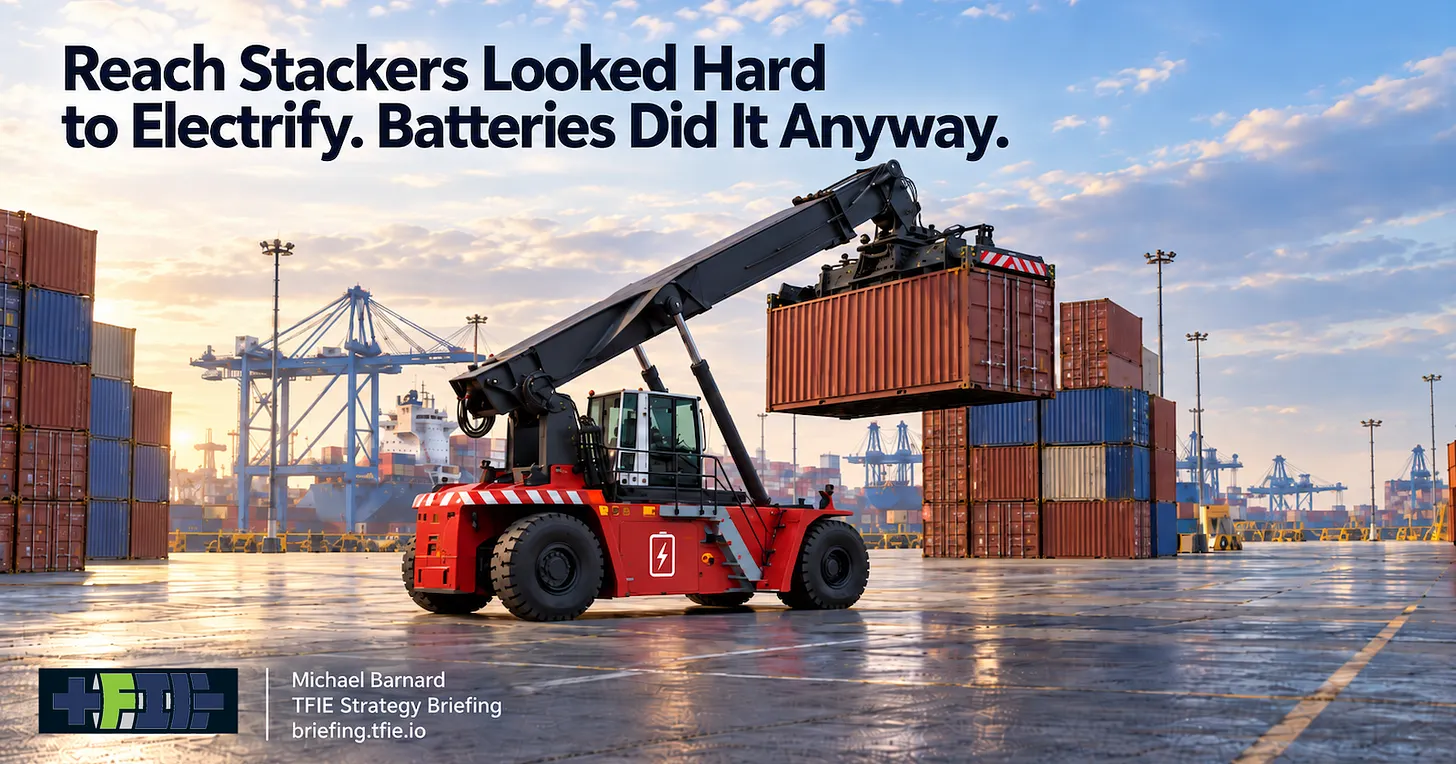
Ports Transitioning to Battery-Powered Reach Stackers Amid Hydrogen Discussions

Edited by Ionna Brakeley
Charging & Ownership
Updated October 1, 2026
3 min read
1 linked source
Ports are increasingly investing in battery-powered reach stackers, despite the challenges posed by their heavy lifting capabilities. While hydrogen use cases are being explored, the immediate trend shows a clear shift towards battery technology for these essential machines in freight terminals. This move may influence the broader adoption of electric vehicles in industrial applications.
Share this story
Why it matters
- ✓The shift to battery-powered reach stackers may lower operational costs for ports, potentially affecting shipping fees and logistics.
- ✓As ports adopt electric technologies, this could lead to increased availability and support for electric vehicles in related sectors.
- ✓The exploration of hydrogen as an alternative fuel source highlights the ongoing evolution of energy solutions in heavy machinery, which may impact future EV technologies.
Ports Transitioning to Battery-Powered Reach Stackers Amid Hydrogen Discussions
Recent developments indicate that ports are increasingly turning to battery-powered reach stackers for their operations, despite the challenges posed by the heavy lifting requirements of these machines. According to a report from CleanTechnica, while hydrogen fuel cells are being considered as a potential solution for heavy machinery, the immediate trend is a significant investment in battery technology.
What Changed
Ports are recognizing the need for more sustainable and efficient operations, leading to a growing interest in battery-powered reach stackers. These machines, which can weigh over 70 tonnes and lift shipping containers weighing an additional 40 tonnes or more, are essential for handling cargo in busy freight terminals. The transition to electric power is seen as a viable solution to reduce emissions and improve operational efficiency.
Why It Matters for Buyers/Owners
The movement towards battery-powered reach stackers has several implications for buyers and owners in the EV sector:
- Operational Cost Reduction: The adoption of battery technology may lead to lower operational costs for ports, which could eventually influence shipping fees and logistics pricing.
- Increased Availability: As ports invest in electric technologies, there may be a ripple effect that increases the availability and support for electric vehicles in related sectors, benefiting buyers looking for sustainable options.
- Future Energy Solutions: The exploration of hydrogen as an alternative fuel source for heavy machinery indicates a broader trend in the evolution of energy solutions, which could impact future developments in electric vehicle technology.
Key Details from Source Material
The report highlights the significant weight and lifting capabilities of reach stackers, which traditionally pose challenges for battery technology. However, the push for sustainability is prompting ports to invest in these electric machines. While hydrogen is being discussed as a potential use case, the current focus remains on battery-powered solutions, suggesting a practical approach to reducing emissions in freight operations.
What to Watch Next
As the situation develops, it will be important to monitor how ports implement these battery-powered reach stackers and whether they will also pursue hydrogen fuel cell technology in the future. Observers should look for updates on operational performance, cost comparisons, and any emerging partnerships between ports and electric vehicle manufacturers. Additionally, tracking the broader implications for the EV market will provide insights into how these changes may influence consumer options and the overall landscape of electric vehicles in industrial applications.
Sources
These are the documents and reports used to build this brief so readers can verify the story directly.
- Reach Stackers Look Like A Hydrogen Use Case. Ports Are Buying Batteries. — CleanTechnicaMEDIA
Reporting notes
EV Signal briefs are written to explain the verified change first, then add the context EV buyers and owners need to understand cost, availability, charging access, eligibility, or ownership impact.
If details are still developing, we try to say what is confirmed, what comes from secondary reporting, and what readers should verify before acting.
Source mix
1 linked source
1 media
Reviewed from: CleanTechnica.
Comments
Log in with
Loading comments…
More in Ownership

FedEx Places $300 Million Order for 2,000 Electric Trucks from Harbinger
FedEx has announced a significant order of 2,000 electric trucks from the electric truck…
1h ago
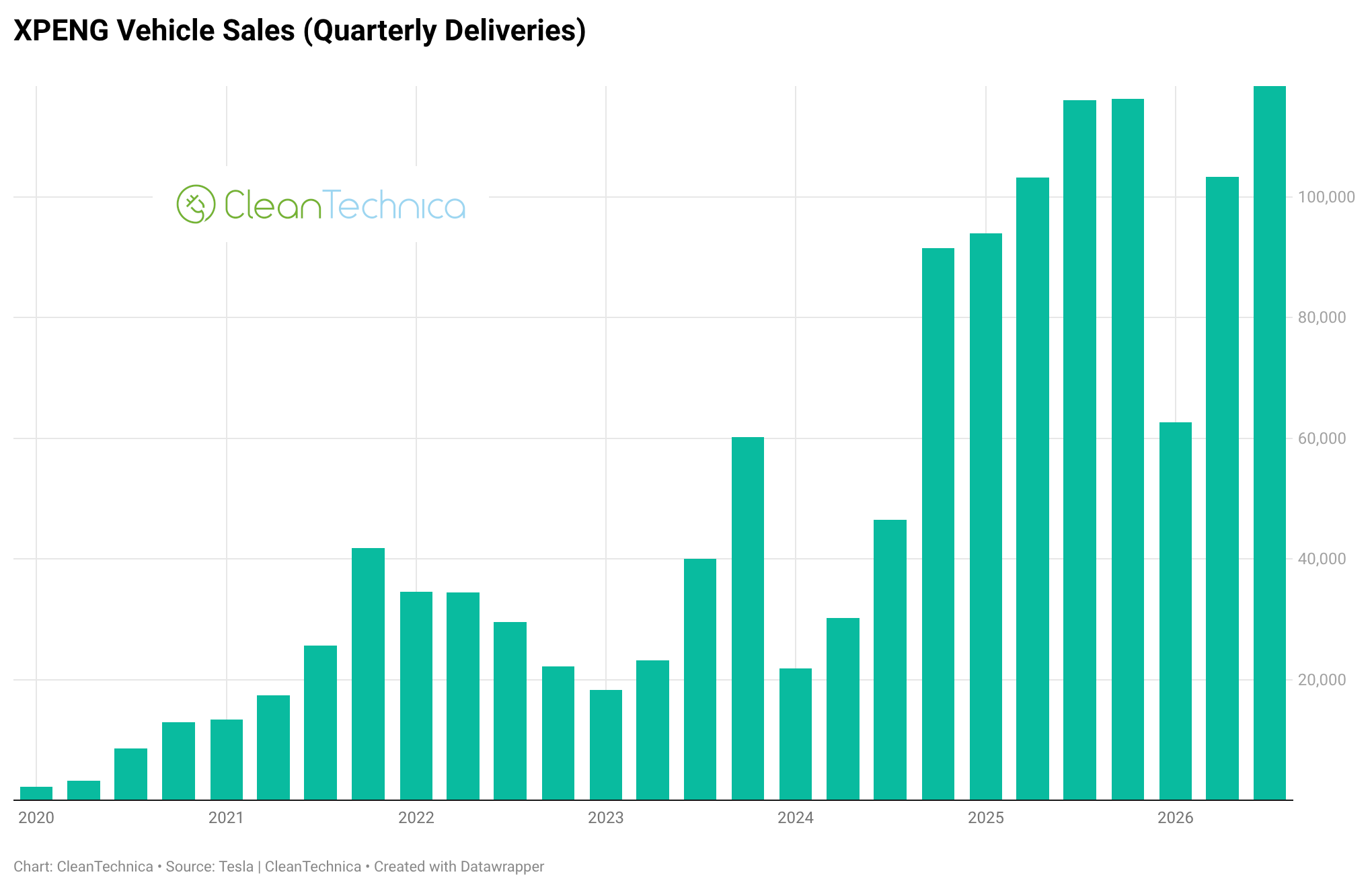
XPENG Achieves Record Deliveries in Q3 2026
XPENG has reported record vehicle deliveries for the third quarter of 2026, with a total of 41,256…
1h ago

OCSiAl Joins EU Project to Develop Advanced Aircraft Battery Cells
OCSiAl is supplying its TUBALL single-wall carbon nanotubes to the ELEVATE project, part of Horizon…
1h ago

Job Losses and Investment Declines Due to Republican Attacks on Manufacturing
A new interactive tool reveals that numerous manufacturing projects in the U.S. have been canceled,…
1h ago