
OCSiAl Joins EU Project to Develop Advanced Aircraft Battery Cells

Edited by Ionna Brakeley
Charging & Ownership
Updated October 1, 2026
3 min read
1 linked source
OCSiAl is supplying its TUBALL single-wall carbon nanotubes to the ELEVATE project, part of Horizon Europe, which aims to create aviation-grade battery cells with a specific energy exceeding 400 Wh/kg. This development is crucial for making electric regional aircraft commercially viable. The project involves 11 partners and focuses on combining innovative materials for enhanced battery performance.
Share this story
Why it matters
- ✓The advancement of battery technology in aviation could lead to more efficient electric aircraft, potentially influencing the future of electric vehicle technology.
- ✓Improvements in battery energy density may eventually benefit EV owners by leading to lighter, longer-range vehicles.
- ✓As the aviation sector moves towards electrification, innovations may trickle down to the automotive industry, impacting pricing and availability of EVs.
OCSiAl Joins EU Project to Develop Advanced Aircraft Battery Cells
OCSiAl is contributing its TUBALL single-wall carbon nanotubes to the ELEVATE project, which is part of the Horizon Europe initiative. This project aims to develop aviation-grade battery cells that exceed 400 Wh/kg in specific energy, a benchmark considered essential for the commercial viability of electric regional aircraft.
What Changed
The ELEVATE project, which includes OCSiAl as one of its 11 partners, is focused on enhancing battery performance through innovative materials. The incorporation of TUBALL nanotubes is expected to improve the energy density and overall efficiency of battery cells used in aviation applications.
Why It Matters for Buyers/Owners
The implications of this project extend beyond aviation. As battery technology progresses in the aerospace sector, it could lead to advancements in electric vehicles (EVs) as well. Here’s how it may affect EV buyers and owners:
- Enhanced Battery Performance: The development of higher energy density batteries could lead to lighter and more efficient EVs, improving range and performance.
- Potential Cost Implications: If the technology proves successful, it may influence the pricing of future EV models, making them more accessible to a broader audience.
- Innovation in Materials: The use of advanced materials like carbon nanotubes could pave the way for new battery technologies in the automotive industry, potentially leading to faster charging times and longer-lasting batteries.
Key Details from Source Material
According to Charged EVs, the ELEVATE project is a collaborative effort that combines various innovative approaches, including silicon-rich anodes and dry-coated technologies. The consortium aims to achieve significant advancements in battery technology that could transform the aviation industry, and by extension, the electric vehicle market.
What to Watch Next
As the ELEVATE project progresses, it will be important to monitor developments regarding the performance outcomes of the new battery cells. Additionally, any breakthroughs in this project could lead to announcements regarding commercial applications and partnerships in the EV sector. Keep an eye on updates from OCSiAl and other partners involved in the project for insights into how these advancements may influence the future of electric mobility.
Sources
These are the documents and reports used to build this brief so readers can verify the story directly.
- OCSiAl contributes nanotubes to EU project on aircraft battery cells — Charged EVsMEDIA
Reporting notes
EV Signal briefs are written to explain the verified change first, then add the context EV buyers and owners need to understand cost, availability, charging access, eligibility, or ownership impact.
If details are still developing, we try to say what is confirmed, what comes from secondary reporting, and what readers should verify before acting.
Source mix
1 linked source
1 media
Reviewed from: Charged EVs.
Comments
Log in with
Loading comments…
More in Ownership

FedEx Places $300 Million Order for 2,000 Electric Trucks from Harbinger
FedEx has announced a significant order of 2,000 electric trucks from the electric truck…
1h ago
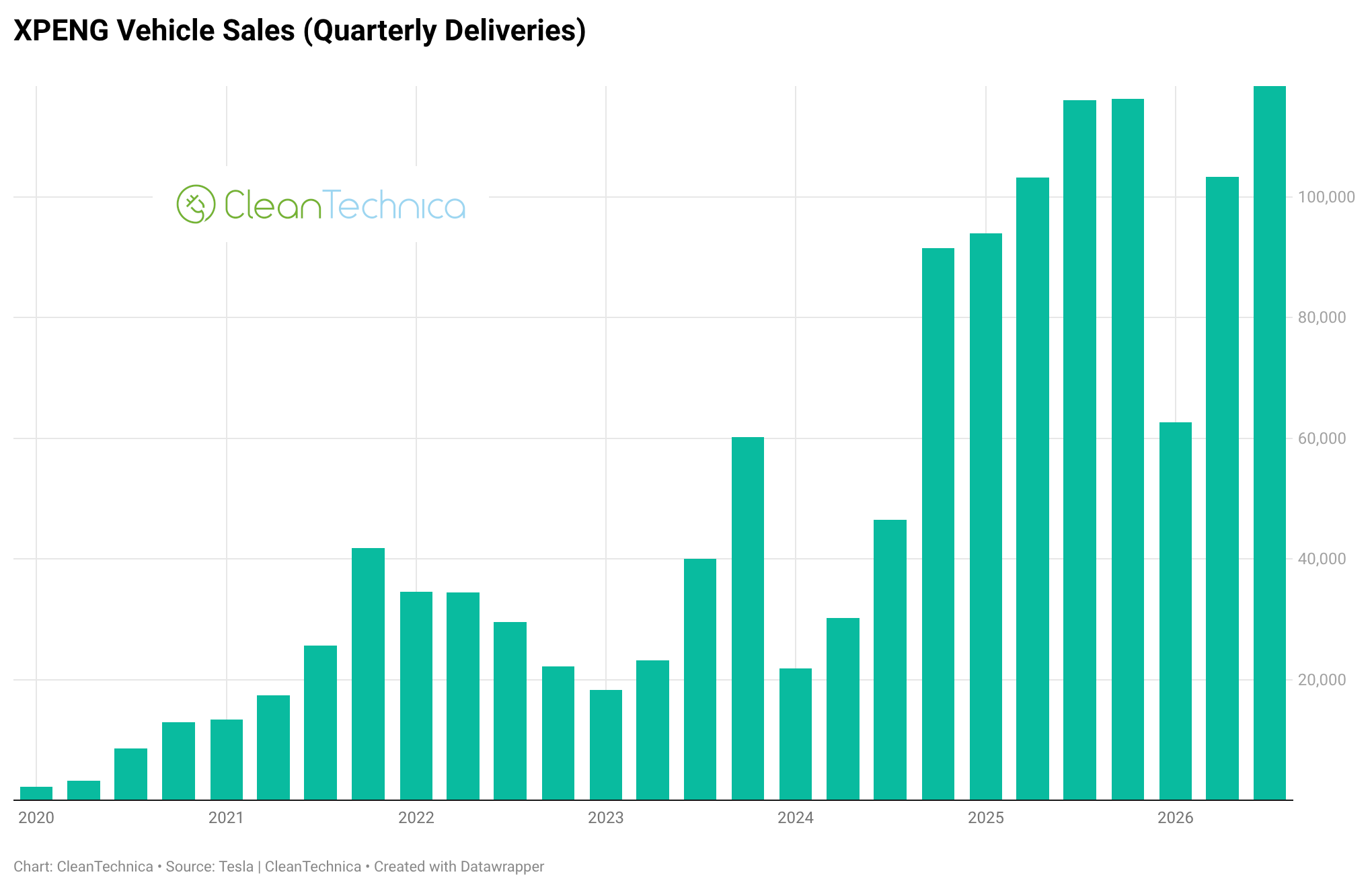
XPENG Achieves Record Deliveries in Q3 2026
XPENG has reported record vehicle deliveries for the third quarter of 2026, with a total of 41,256…
1h ago
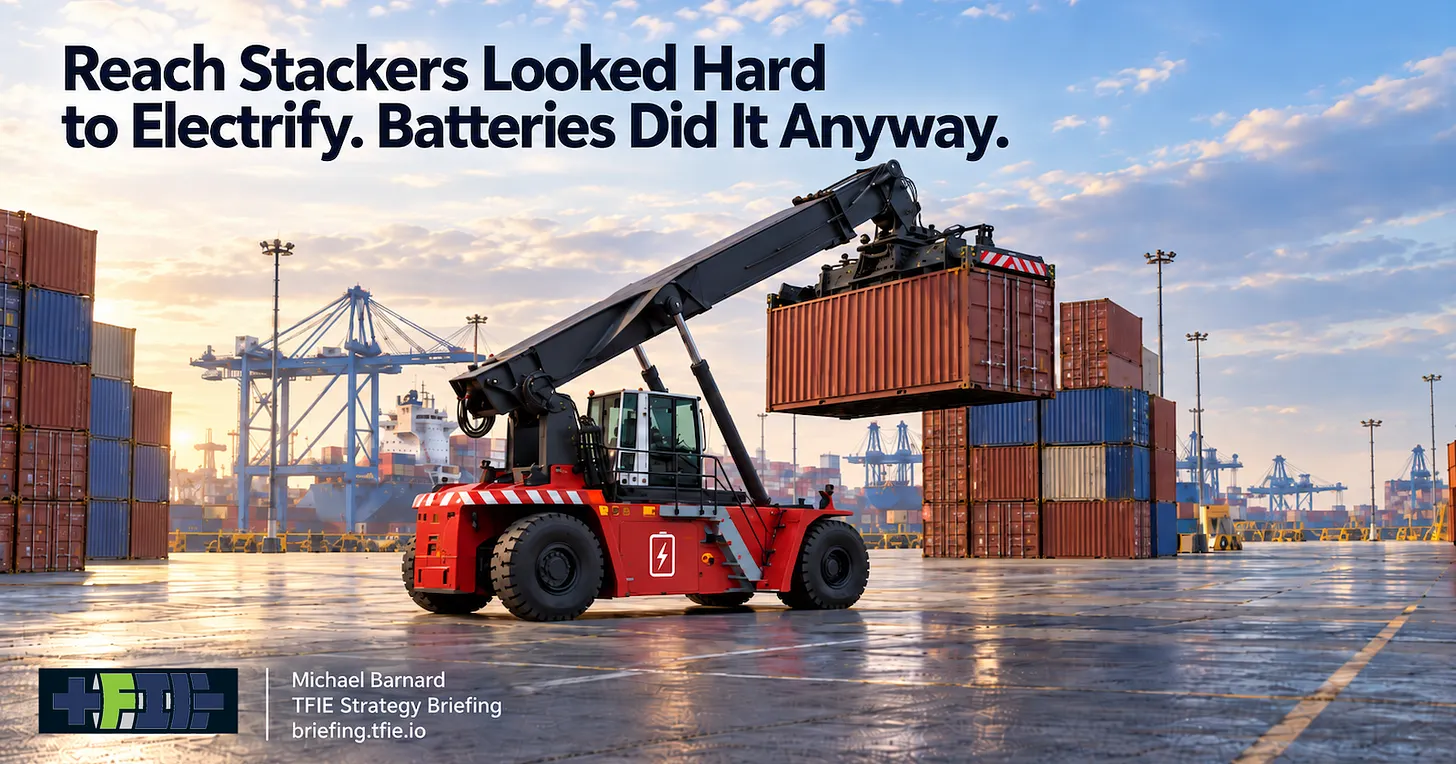
Ports Transitioning to Battery-Powered Reach Stackers Amid Hydrogen Discussions
Ports are increasingly investing in battery-powered reach stackers, despite the challenges posed by…
1h ago

Job Losses and Investment Declines Due to Republican Attacks on Manufacturing
A new interactive tool reveals that numerous manufacturing projects in the U.S. have been canceled,…
1h ago