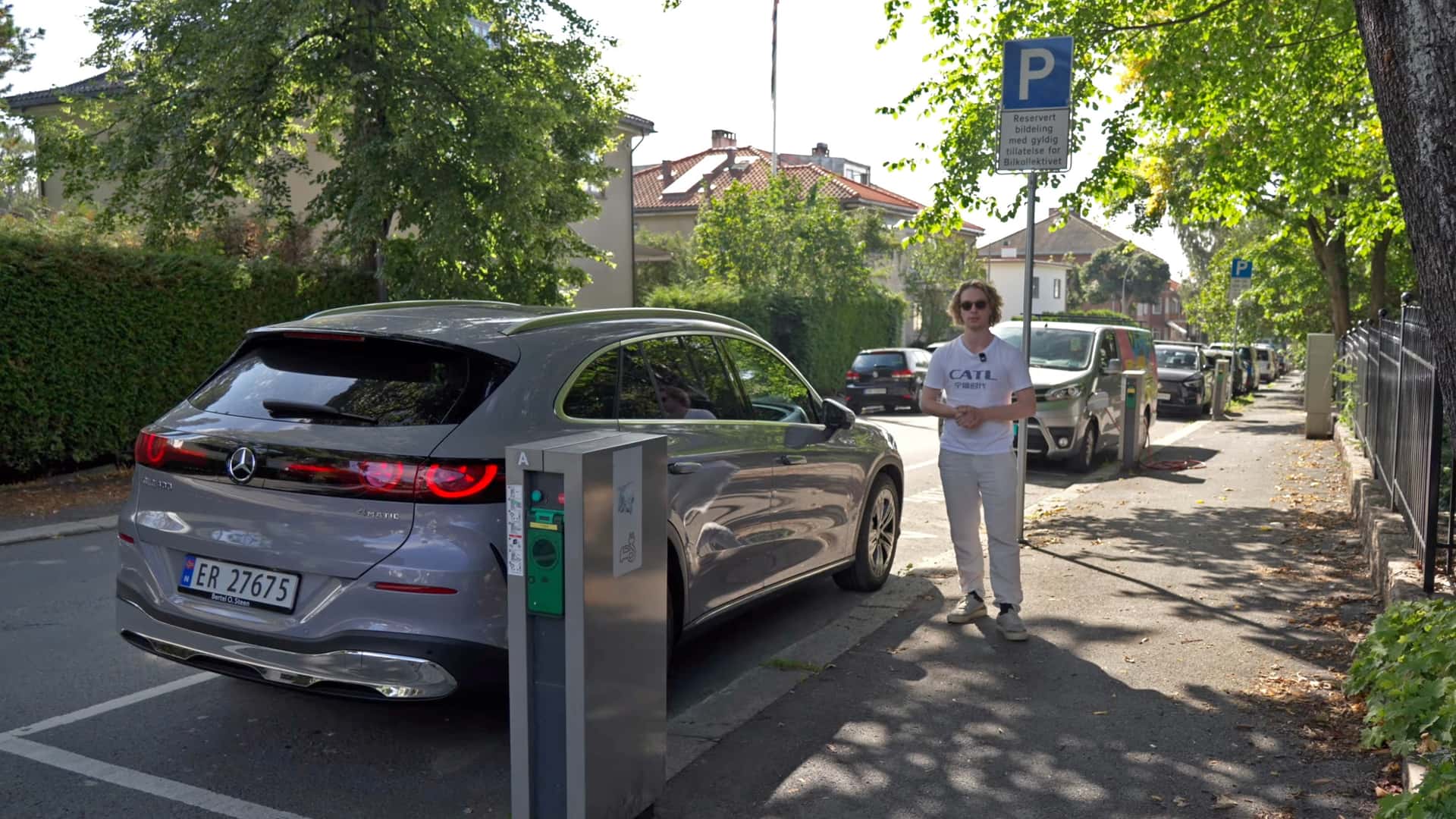
Oslo's EV Charging Strategy Relies on AC Plugs Instead of Fast Chargers
Updated August 31, 2026
3 min read
1 linked source
Oslo, which has nearly half of its cars as electric vehicles (EVs), primarily utilizes thousands of AC charging plugs located where drivers already park, rather than relying heavily on fast chargers. This approach highlights a unique charging infrastructure that may not require rapid charging solutions everywhere, although it raises questions about charging speed and convenience for some users.
Share this story
Why it matters
- ✓EV owners in Oslo benefit from widespread access to charging infrastructure without the need for fast chargers, potentially lowering charging costs.
- ✓The reliance on AC charging may influence how other cities design their EV infrastructure, focusing on practicality over speed.
- ✓This model could lead to reduced ownership costs for EVs in Oslo, as charging at home or work is often more economical than using fast chargers.
Reporting notes
EV Signal briefs are written to explain the verified change first, then add the context EV buyers and owners need to understand cost, availability, charging access, eligibility, or ownership impact.
If details are still developing, we try to say what is confirmed, what comes from secondary reporting, and what readers should verify before acting.
Source mix
1 linked source
1 media
Reviewed from: InsideEVs.
Oslo's EV Charging Strategy Relies on AC Plugs Instead of Fast Chargers
Oslo, the world's leading city in electric vehicle (EV) adoption, has taken a distinctive approach to its charging infrastructure by primarily utilizing thousands of AC charging plugs. This strategy allows the city to support nearly half of its vehicles being electric without the extensive need for fast chargers that many other regions rely on.
What Changed
The significant change in Oslo's EV charging landscape is the city's reliance on a vast network of AC charging stations, which are strategically placed where drivers typically park their vehicles. This approach contrasts sharply with other cities that prioritize fast charging stations to facilitate quicker turnaround times for EV owners. The effectiveness of this strategy suggests that extensive fast charging infrastructure may not be necessary in every urban environment, particularly where parking and charging can be integrated seamlessly.
Why It Matters for Buyers and Owners
- Cost-Effectiveness: For EV owners in Oslo, charging at home or at work using AC plugs is often more economical than utilizing fast chargers, which can come with higher fees.
- Accessibility: The widespread availability of AC charging stations means that EV owners have more convenient access to charging options, potentially reducing range anxiety and improving the overall ownership experience.
- Influence on Urban Planning: Oslo's model may serve as a blueprint for other cities looking to enhance their EV infrastructure, emphasizing the importance of integrating charging solutions into existing parking facilities rather than focusing solely on fast charging capabilities.
Key Details from Source Material
According to InsideEVs, Oslo has successfully integrated thousands of AC charging plugs into its urban landscape, allowing for efficient charging without the need for fast chargers everywhere. This infrastructure supports the city's impressive statistic of nearly 50% of its vehicles being electric, showcasing a practical solution to the challenges of EV charging.
The decision to focus on AC charging reflects a broader understanding of how EVs can be charged effectively in urban environments, where parking is often available for extended periods. This contrasts with the fast-charging model, which is typically designed for quick stops and may not be as suitable for every driver’s needs.
What to Watch Next
As the EV landscape continues to evolve, it will be important to monitor how other cities respond to Oslo's charging strategy. Will they adopt similar models, or will fast charging remain the dominant approach? Additionally, the long-term implications of relying on AC charging for EV adoption and infrastructure development will be crucial to observe, particularly as technology and consumer preferences change. Further developments in charging technology and urban planning will also shape the future of EV ownership and charging accessibility.
Sources
These are the documents and reports used to build this brief so readers can verify the story directly.
- The World’s EV Capital Doesn’t Need Fast Chargers Everywhere — InsideEVsMEDIA
Comments
Log in with
Loading comments…
More in Charging
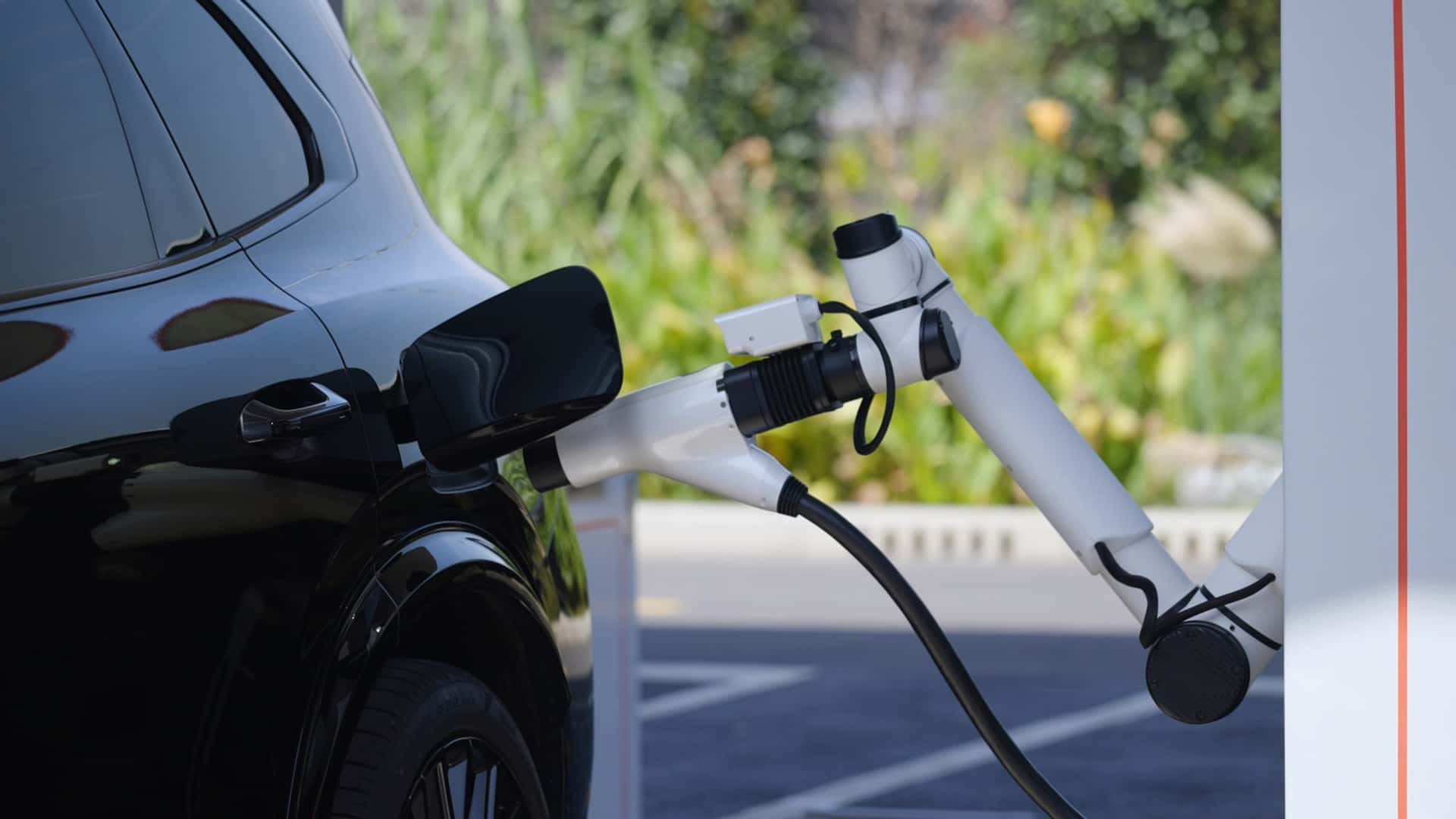
Geely Unveils 2.25 Megawatt EV Charger, Outpacing Competitors
Geely has introduced a new electric vehicle (EV) charger with an impressive output of 2.25…
18h ago
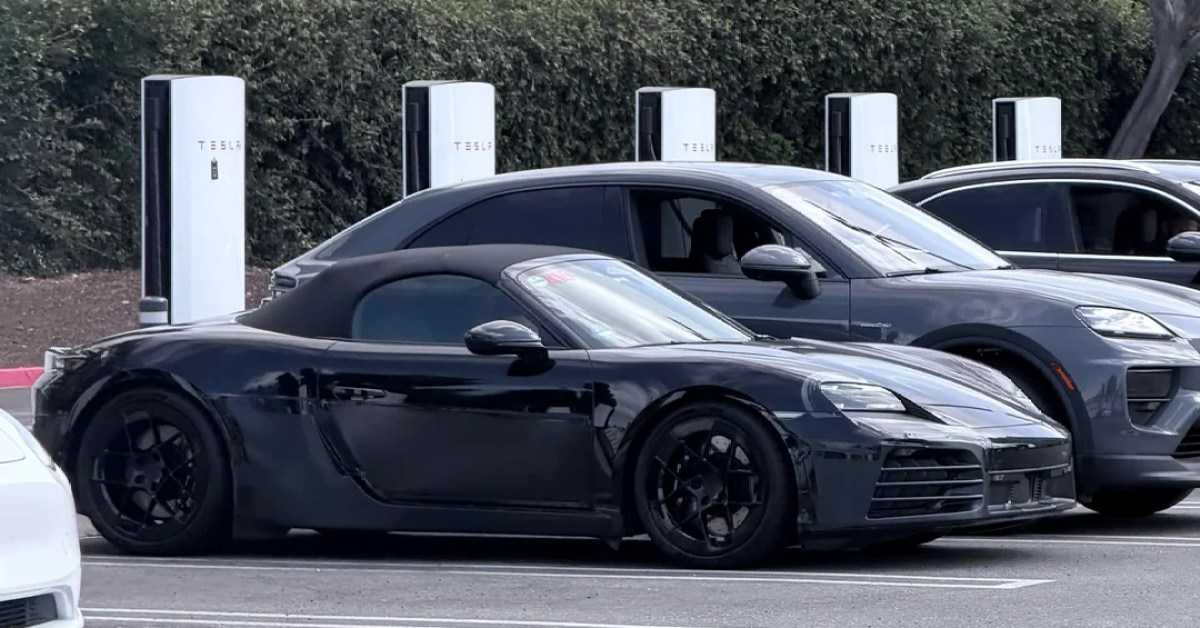
Electric Porsche Boxster Spotted Charging at Tesla Supercharger
An electric version of the Porsche Boxster has been observed charging at a Tesla Supercharger…
1d ago
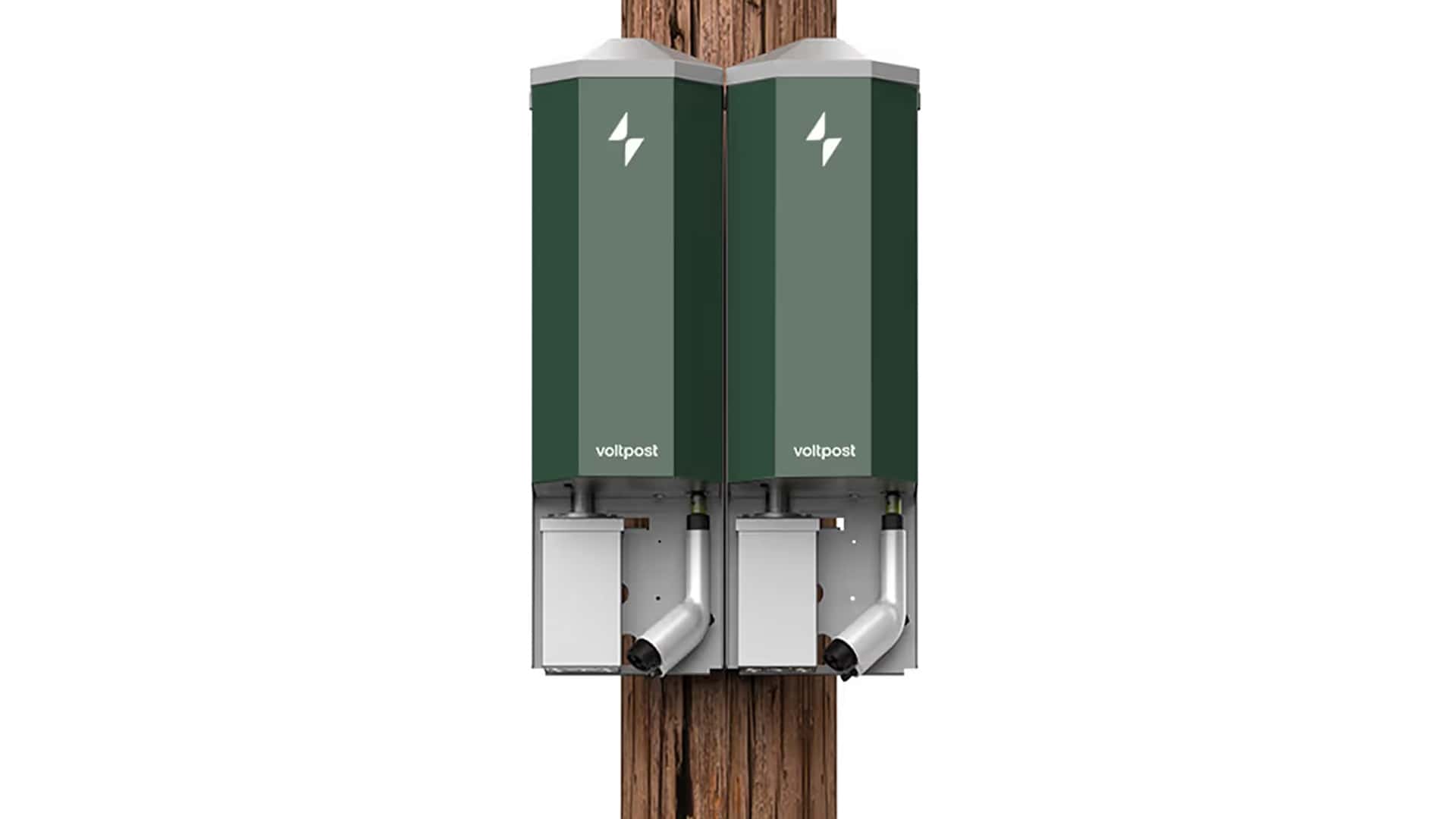
Voltpost Expands Lamppost EV Chargers with Free Top-Ups in Brooklyn
Voltpost has launched over a dozen new lamppost-mounted EV charging ports across New York,…
1d ago

Geely Introduces 2.2MW Charger for 4-Minute EV Charging
Geely has announced a new electric car battery and charging system that enables charging times of…
2d ago