
NHTSA Finalizes SAFE Vehicles Rule III for 2022-2031 Light-Duty Vehicles

Edited by Ionna Brakeley
Charging & Ownership
Updated September 30, 2026
3 min read
1 linked source
The National Highway Traffic Safety Administration (NHTSA) has finalized the Safer Affordable Fuel-Efficient (SAFE) Vehicles Rule III, which recalibrates fuel economy standards for light-duty vehicles from model years 2022 to 2031. This rule aims to align vehicle design with market demand and improve fuel economy performance. The changes affect manufacturers and may influence the availability and pricing of vehicles, including electric vehicles (EVs).
Share this story
Why it matters
- ✓Potentially improved fuel economy standards could lead to lower ownership costs for EV buyers and owners.
- ✓Changes in vehicle classification and compliance pathways may affect the availability of certain EV models in the market.
- ✓Manufacturers may adjust their production strategies, impacting the pricing and features of future EVs.
NHTSA Finalizes SAFE Vehicles Rule III for 2022-2031 Light-Duty Vehicles
The National Highway Traffic Safety Administration (NHTSA), representing the U.S. Department of Transportation (DOT), has finalized the Safer Affordable Fuel-Efficient (SAFE) Vehicles Rule III. This rule recalibrates the Corporate Average Fuel Economy (CAFE) program and sets new fuel economy standards for light-duty vehicles for model years 2022 through 2031. The aim is to align vehicle design with market demand and improve the fuel economy performance of manufacturer fleets.
What Changed
The SAFE Vehicles Rule III introduces significant amendments to fuel economy standards for light-duty passenger cars and trucks. These changes affect model years 2022-2026 and 2027-2031, focusing on compliance aspects of the program, including vehicle classification and other compliance pathways. The NHTSA's recalibration seeks to remove previous regulatory distortions that have led manufacturers to make design decisions not aligned with consumer needs or market demands.
Why It Matters for Buyers/Owners
The implications of the SAFE Vehicles Rule III are multifaceted for EV buyers and owners:
- Ownership Costs: Improved fuel economy standards could lead to lower fuel costs over the lifespan of a vehicle, making EVs more financially attractive.
- Availability of Models: Changes in vehicle classification and compliance pathways may impact the range of EV models available in the market, potentially influencing consumer choices.
- Manufacturer Strategies: With the recalibration of standards, manufacturers may adjust their production strategies, which could affect the pricing and features of future EVs.
Key Details from Source Material
According to the Federal Register, the NHTSA's recalibration aims to bring the CAFE program into compliance with existing laws. The final rule addresses fuel economy standards for light-duty vehicles, ensuring that manufacturers can produce vehicles that meet consumer demand while also adhering to regulatory requirements. The amendments finalize changes to compliance aspects of the program, which include vehicle classification and compliance pathways.
This recalibration is significant as it seeks to ensure that the improvements in fuel economy performance align with the intentions of Congress, which aims to enhance the efficiency of American vehicle fleets. The adjustments made in the SAFE Vehicles Rule III are expected to influence how manufacturers design and market their vehicles, including electric options.
What to Watch Next
As the implications of the SAFE Vehicles Rule III unfold, it will be important to monitor how manufacturers respond to these changes. Key areas to watch include:
- Market Reactions: How manufacturers adjust their vehicle offerings and pricing strategies in response to the new standards.
- Consumer Choices: The impact on consumer preferences as more efficient vehicles become available.
- Regulatory Developments: Any further amendments or clarifications from the NHTSA regarding compliance pathways and vehicle classifications.
In conclusion, the SAFE Vehicles Rule III represents a significant shift in fuel economy standards that could have lasting effects on the EV market and consumer choices. Buyers and owners should stay informed about these developments as they may influence future vehicle availability and ownership costs.
Sources
These are the documents and reports used to build this brief so readers can verify the story directly.
- The Safer Affordable Fuel-Efficient (SAFE) Vehicles Rule III for Model Years 2022 to 2031 Passenger Cars and Light Trucks — Federal Register: Clean Vehicle CreditOFFICIAL
Reporting notes
EV Signal briefs are written to explain the verified change first, then add the context EV buyers and owners need to understand cost, availability, charging access, eligibility, or ownership impact.
If details are still developing, we try to say what is confirmed, what comes from secondary reporting, and what readers should verify before acting.
Source mix
1 linked source
1 official
Reviewed from: Federal Register: Clean Vehicle Credit.
Comments
Log in with
Loading comments…
More in Ownership
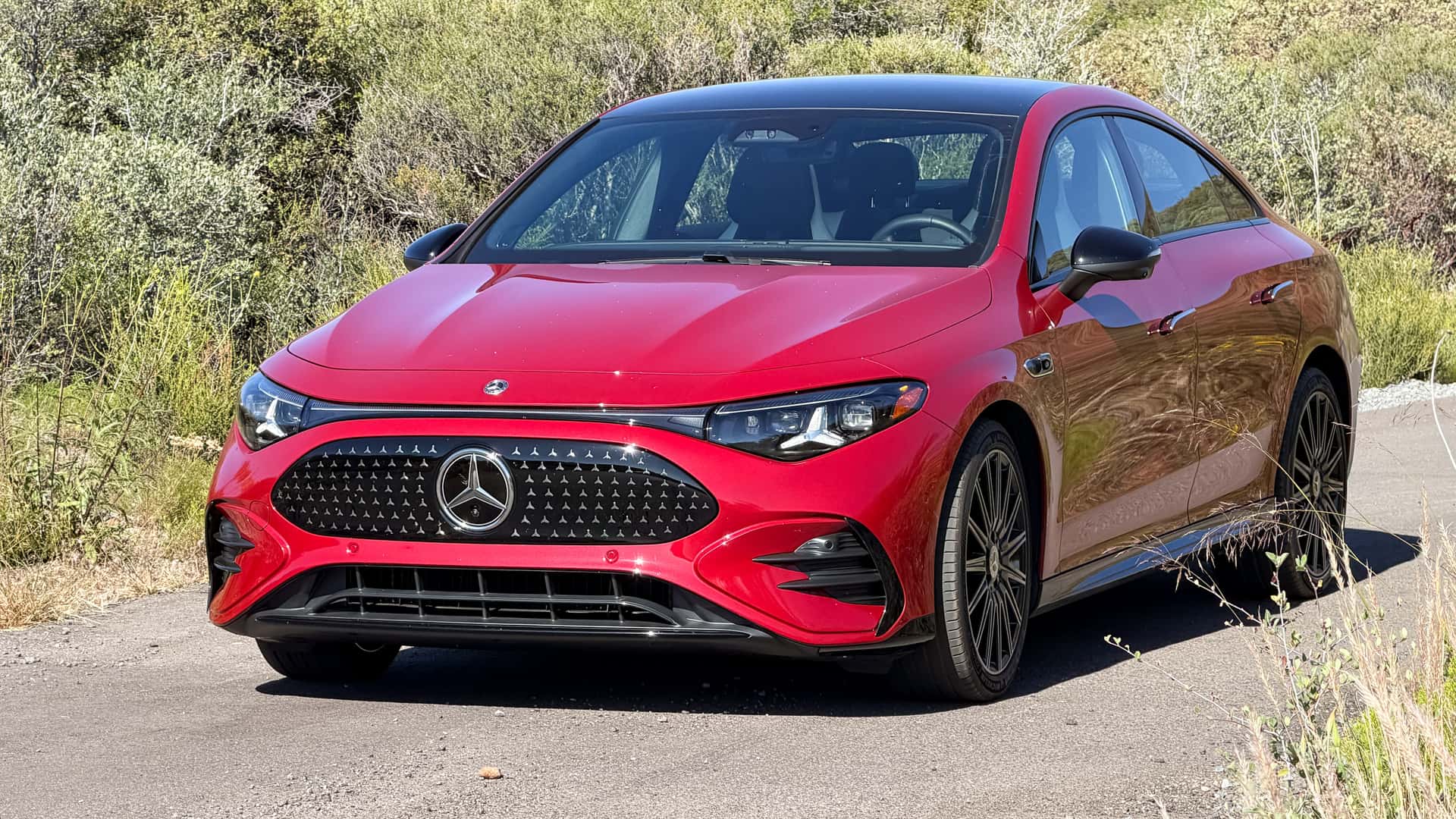
Mercedes Shares Held by Chinese Investors May Affect U.S. Operations
Mercedes-Benz, which has about 20% of its shares owned by Chinese investors, is not facing a ban in…
5h ago

Residual Values of Electric Vehicles in Europe: Current Trends and Insights
Recent analyses indicate that battery electric vehicles (BEVs) in Europe are experiencing lower…
5h ago

Chicago Metra Introduces First Battery-Electric Locomotive
Chicago Metra is set to debut its first battery-electric locomotive, a FLIRT model from Stadler,…
5h ago

Tesla Secures $30 Billion in New Credit Lines for Project Expansion
Tesla has obtained $30 billion in credit lines from Citibank and Wells Fargo to support the…
5h ago