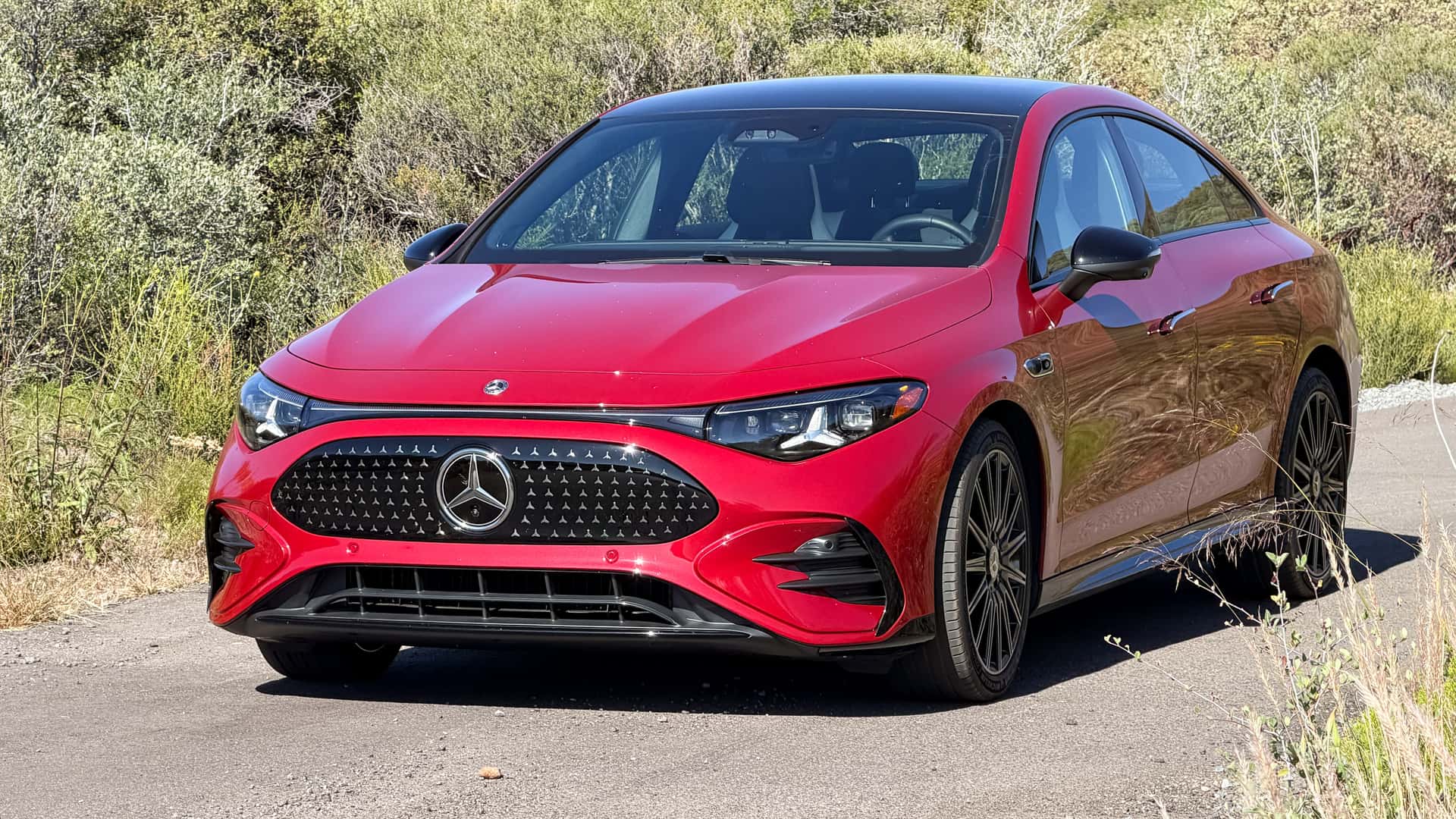
Mercedes Shares Held by Chinese Investors May Affect U.S. Operations

Edited by Ionna Brakeley
Charging & Ownership
Updated October 1, 2026
3 min read
1 linked source
Mercedes-Benz, which has about 20% of its shares owned by Chinese investors, is not facing a ban in the U.S. However, to comply with a new law, the company may need to reduce this ownership stake. This situation could impact the company's operations and market strategies in the American EV landscape.
Share this story
Why it matters
- ✓Potential changes in ownership structure could influence vehicle pricing and availability for American consumers.
- ✓If Mercedes adjusts its ownership to comply with U.S. laws, it may affect the company's investment in EV technology and infrastructure.
- ✓Buyers may want to stay informed about how these changes could impact the models and features offered by Mercedes in the U.S. market.
Mercedes Shares Held by Chinese Investors May Affect U.S. Operations
Mercedes-Benz is currently navigating a complex landscape regarding its ownership structure in the United States. Approximately 20% of the company's shares are owned by Chinese investors, which has raised concerns in light of new legislation aimed at regulating foreign ownership in American companies. While a U.S. senator has confirmed that Mercedes will not be banned from operating in the U.S., the company may still need to adjust its ownership stakes to remain compliant with the law.
What Changed
The key development is the acknowledgment that Mercedes-Benz is not facing an outright ban in the U.S., as stated by a senator. However, the company must consider the implications of its current ownership structure, particularly the significant percentage of shares held by Chinese investors. This situation may compel Mercedes to reduce this stake to align with the new regulatory framework.
Why It Matters for Buyers and Owners
The potential changes in Mercedes' ownership structure could have several implications for EV buyers and owners:
- Pricing and Availability: Adjustments in ownership could lead to shifts in pricing strategies or availability of certain models in the U.S. market, impacting consumer choices.
- Investment in Technology: If Mercedes is required to alter its ownership, it may affect the company's investment in electric vehicle technology and infrastructure, which could influence the quality and features of future models.
- Consumer Awareness: Buyers should remain informed about how these ownership changes could affect the models and features offered by Mercedes, particularly in the rapidly evolving EV market.
Key Details from Source Material
According to InsideEVs, the senator's remarks clarify that Mercedes-Benz will not face a ban in the U.S. despite its significant Chinese investment. However, the company may need to take steps to reduce this ownership stake to comply with new legislation. This situation highlights the ongoing scrutiny of foreign investments in American companies, particularly in the automotive sector.
What to Watch Next
As the situation develops, it will be important for consumers and industry observers to monitor how Mercedes-Benz responds to these regulatory challenges. Key points to watch include:
- Any announcements from Mercedes regarding changes to its ownership structure or business strategy in the U.S.
- The potential impact on the availability and pricing of Mercedes EV models in the American market.
- Further developments in U.S. legislation regarding foreign investments in the automotive industry, which could affect not only Mercedes but other manufacturers as well.
In conclusion, while Mercedes-Benz is not facing a ban in the U.S., the implications of its current ownership structure warrant attention from buyers and owners alike. Keeping abreast of these changes will be crucial for understanding the future landscape of electric vehicles in the American market.
Sources
These are the documents and reports used to build this brief so readers can verify the story directly.
- Mercedes Won't Be Banned In America: Senator — InsideEVsMEDIA
Reporting notes
EV Signal briefs are written to explain the verified change first, then add the context EV buyers and owners need to understand cost, availability, charging access, eligibility, or ownership impact.
If details are still developing, we try to say what is confirmed, what comes from secondary reporting, and what readers should verify before acting.
Source mix
1 linked source
1 media
Reviewed from: InsideEVs.
Comments
Log in with
Loading comments…
More in Ownership

Residual Values of Electric Vehicles in Europe: Current Trends and Insights
Recent analyses indicate that battery electric vehicles (BEVs) in Europe are experiencing lower…
5h ago

Chicago Metra Introduces First Battery-Electric Locomotive
Chicago Metra is set to debut its first battery-electric locomotive, a FLIRT model from Stadler,…
5h ago

Tesla Secures $30 Billion in New Credit Lines for Project Expansion
Tesla has obtained $30 billion in credit lines from Citibank and Wells Fargo to support the…
5h ago

Eaton Introduces Resettable High-Voltage Circuit Protection for BEVs
Eaton has developed a resettable high-voltage circuit protection system for next-generation battery…
5h ago