New Whitepaper Highlights Role of Solar and Storage in Grid Reliability
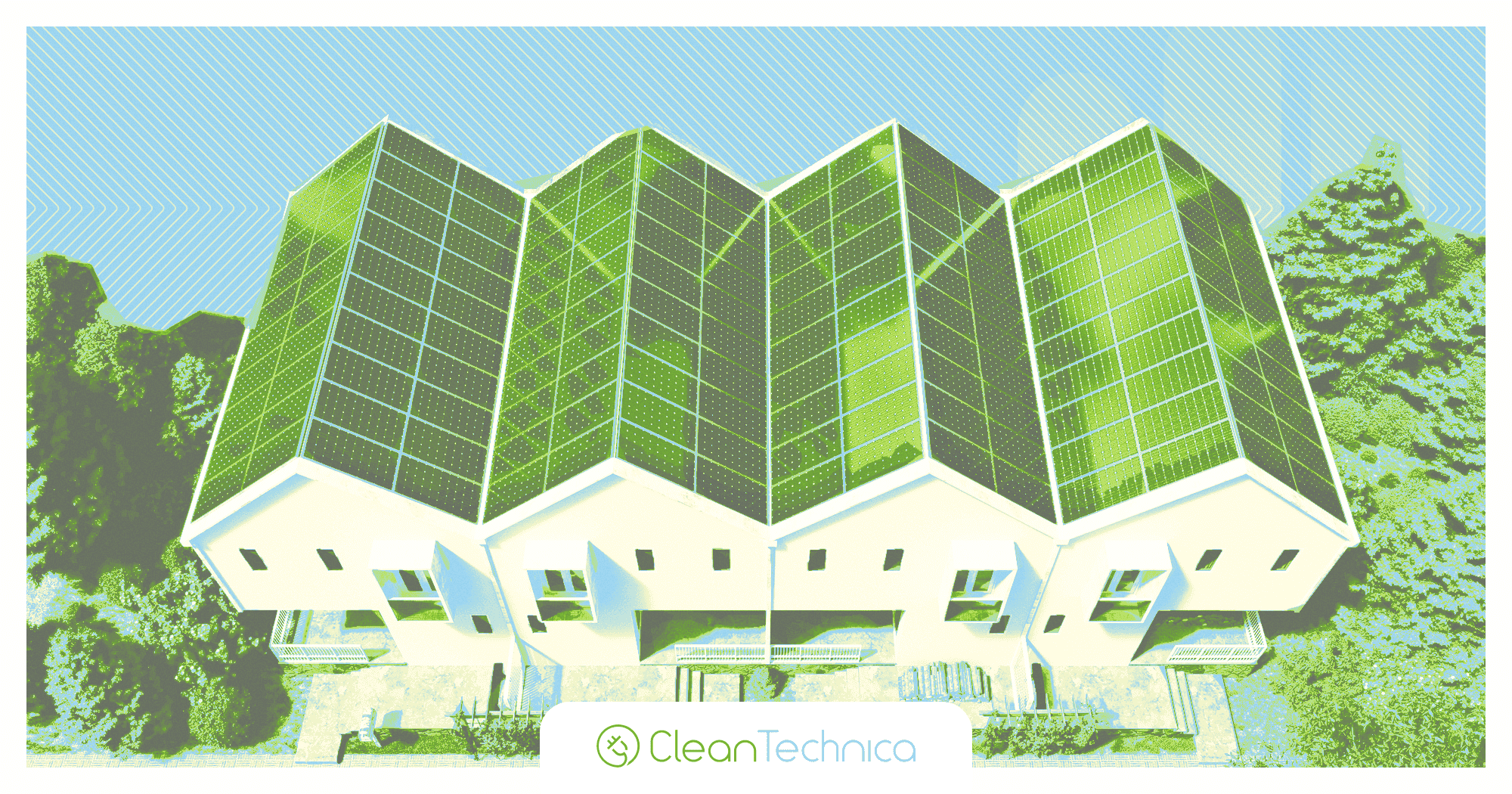
A new report from the Solar Energy Industries Association (SEIA) and Current Energy Group outlines strategies for grid operators and regulators to utilize distributed energy resources (DERs), such as solar and battery storage, to enhance grid security and reliability while reducing energy costs. This initiative aims to unlock the full potential of these resources, impacting energy management and costs for consumers.

Key takeaways
30-second read- 1Increased use of solar and storage could lead to lower energy costs for EV owners, making charging more affordable.
- 2Enhanced grid reliability may improve charging access and reduce downtime during peak demand or outages.
- 3The integration of DERs could lead to more sustainable energy sources, aligning with the values of environmentally conscious EV buyers.
Confirmed
No official source linked yet
Reported
Secondary reporting: CleanTechnica
Verify yourself
Eligibility, local prices and dates for your car, state or utility
New Whitepaper Highlights Role of Solar and Storage in Grid Reliability
A new report released by the Solar Energy Industries Association (SEIA) and Current Energy Group presents a framework for how grid operators and energy regulators can effectively deploy distributed energy resources (DERs), including solar and battery storage. This initiative aims to boost grid security and reliability while simultaneously reducing energy costs for consumers.
What Changed
The report emphasizes the potential of solar and storage technologies to transform the energy landscape. By integrating these resources into the grid, operators can enhance reliability and security, particularly during peak demand periods. The findings suggest that a strategic approach to deploying DERs can unlock significant benefits for both the grid and consumers.
Why It Matters for Buyers and Owners
-
Cost Reduction: As solar and storage technologies become more prevalent, EV owners may see a decrease in energy costs associated with charging their vehicles. This could make electric vehicle ownership more financially viable for a broader audience.
-
Improved Charging Access: Enhanced grid reliability means that charging stations are less likely to experience outages or disruptions, ensuring that EV owners have consistent access to charging infrastructure.
-
Sustainability Alignment: The integration of renewable energy sources aligns with the values of many EV buyers who prioritize sustainability. Increased use of solar energy can contribute to a cleaner energy grid, further incentivizing the shift to electric vehicles.
Key Details from Source Material
The report from SEIA and Current Energy Group outlines several key strategies for utilizing DERs:
- Deployment of Solar and Storage: The report details how grid operators can implement solar and battery storage solutions to create a more resilient energy system.
- Cost-Benefit Analysis: It highlights the economic advantages of integrating these technologies, suggesting that they can lead to lower operational costs and improved energy pricing for consumers.
- Policy Recommendations: The report also provides recommendations for policymakers to support the integration of DERs, ensuring that regulations facilitate rather than hinder the adoption of these technologies.
What to Watch Next
As the implications of this report unfold, stakeholders in the energy sector, including EV buyers and owners, should keep an eye on:
- Regulatory Changes: Watch for updates on policies that may emerge in response to the report's recommendations, as these could directly affect the deployment of solar and storage technologies.
- Market Developments: Monitor advancements in solar and battery storage technologies, as innovations could further enhance their viability and cost-effectiveness.
- Consumer Programs: Look for new programs or incentives aimed at promoting the use of solar and storage for EV charging, which could provide additional financial benefits to consumers.
In conclusion, the findings from the SEIA and Current Energy Group's report underscore the importance of integrating solar and storage into the energy grid. By doing so, grid operators can enhance reliability, reduce costs, and support the growing community of electric vehicle owners.
Buying guide: Best Level 2 Home EV Charger (2026): How to Choose
Sources
1 media- [1]New Whitepaper Shows How Grid Operators & Energy Regulators Can Use Solar & Storage to Secure the Grid, Boost Reliability & Reduce Energy CostsMedia
CleanTechnica · cleantechnica.com · published Oct 26
Newsletter
Weekly EV signal. No spam.
Comments
Log in with
Loading comments…