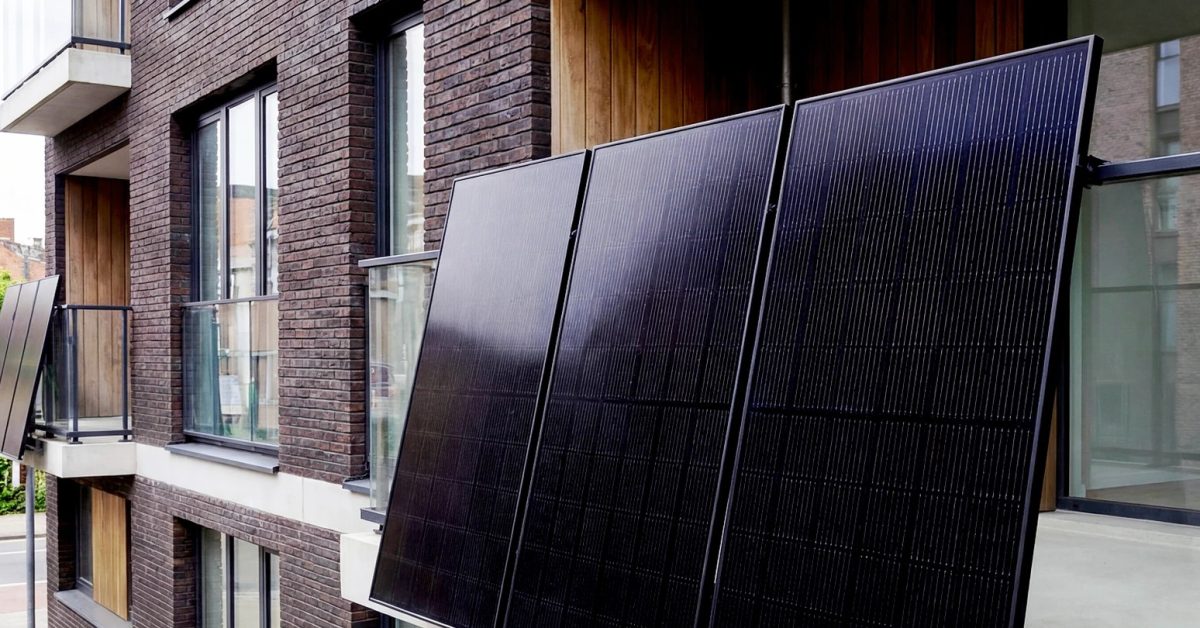
New Jersey Legalizes Plug-In Solar Panels for Renters
Updated September 2, 2026
3 min read
1 linked source
New Jersey has officially legalized plug-in solar panels that can be connected directly to standard wall outlets, providing renters and apartment dwellers with a new way to reduce their electricity bills. This change allows individuals without access to traditional rooftop solar installations to benefit from solar energy. However, further details on implementation and specific regulations are still pending.
Share this story
Why it matters
- ✓This development could lower electricity costs for EV owners who can now utilize solar energy to charge their vehicles.
- ✓Renters and apartment dwellers, who often face limitations on home improvements, can now access renewable energy solutions.
- ✓The availability of plug-in solar panels may enhance the overall charging infrastructure for electric vehicles in urban areas.
Reporting notes
EV Signal briefs are written to explain the verified change first, then add the context EV buyers and owners need to understand cost, availability, charging access, eligibility, or ownership impact.
If details are still developing, we try to say what is confirmed, what comes from secondary reporting, and what readers should verify before acting.
Source mix
1 linked source
1 media
Reviewed from: Electrek.
New Jersey Legalizes Plug-In Solar Panels for Renters
New Jersey has taken a significant step towards renewable energy accessibility by legalizing plug-in solar panels that can be connected directly to standard wall outlets. This new legislation enables renters and apartment dwellers to harness solar energy without the need for rooftop installations, which have traditionally been a barrier for many in urban settings.
What Changed
The recent legal change allows individuals living in rental properties or apartments to install plug-in solar panels, which can be easily connected to a standard wall outlet. This development is particularly important for those who do not have the option to install traditional solar panels on their roofs due to property restrictions or lack of ownership. The move aims to make solar energy more accessible and affordable, especially for those who have been previously excluded from the benefits of solar power.
Why It Matters for Buyers and Owners
The legalization of plug-in solar panels has several implications for electric vehicle (EV) buyers and owners:
- Cost Savings: By utilizing solar energy generated from plug-in panels, EV owners can potentially lower their electricity bills, making it more economical to charge their vehicles at home.
- Increased Accessibility: Renters and apartment dwellers, who often face restrictions on home modifications, can now take advantage of renewable energy solutions, enhancing their ability to participate in the green energy movement.
- Enhanced Charging Infrastructure: The introduction of plug-in solar panels may contribute to a more robust charging infrastructure in urban areas, as more individuals can generate their own energy for EV charging.
Key Details from Source Material
According to Electrek, the new law enables the installation of solar panels that plug directly into a wall outlet, making it easier for those without roofs to access solar energy. While the legislation has been passed, specific guidelines and regulations regarding the installation and use of these panels are still being developed. This means that while the potential for solar energy access has increased, the exact implementation details are yet to be confirmed.
What to Watch Next
As New Jersey moves forward with this legislation, it will be important to monitor the development of specific regulations surrounding the installation and use of plug-in solar panels. Key areas to watch include:
- Regulatory Framework: Updates on the guidelines for installation and safety standards for plug-in solar panels.
- Incentives and Rebates: Information on any financial incentives or rebates that may be available for renters and apartment dwellers who choose to install these solar panels.
- Market Availability: The timeline for when these plug-in solar panels will be available for purchase and installation in New Jersey.
In conclusion, the legalization of plug-in solar panels in New Jersey marks a significant advancement in making renewable energy accessible to a broader audience, particularly for those who have been limited by rental agreements or apartment living. As details continue to unfold, this development could play a crucial role in supporting the growing community of electric vehicle owners in the state.
Sources
These are the documents and reports used to build this brief so readers can verify the story directly.
- New Jersey just made plug-in solar panels legal — ElectrekMEDIA
Comments
Log in with
Loading comments…
More in Charging
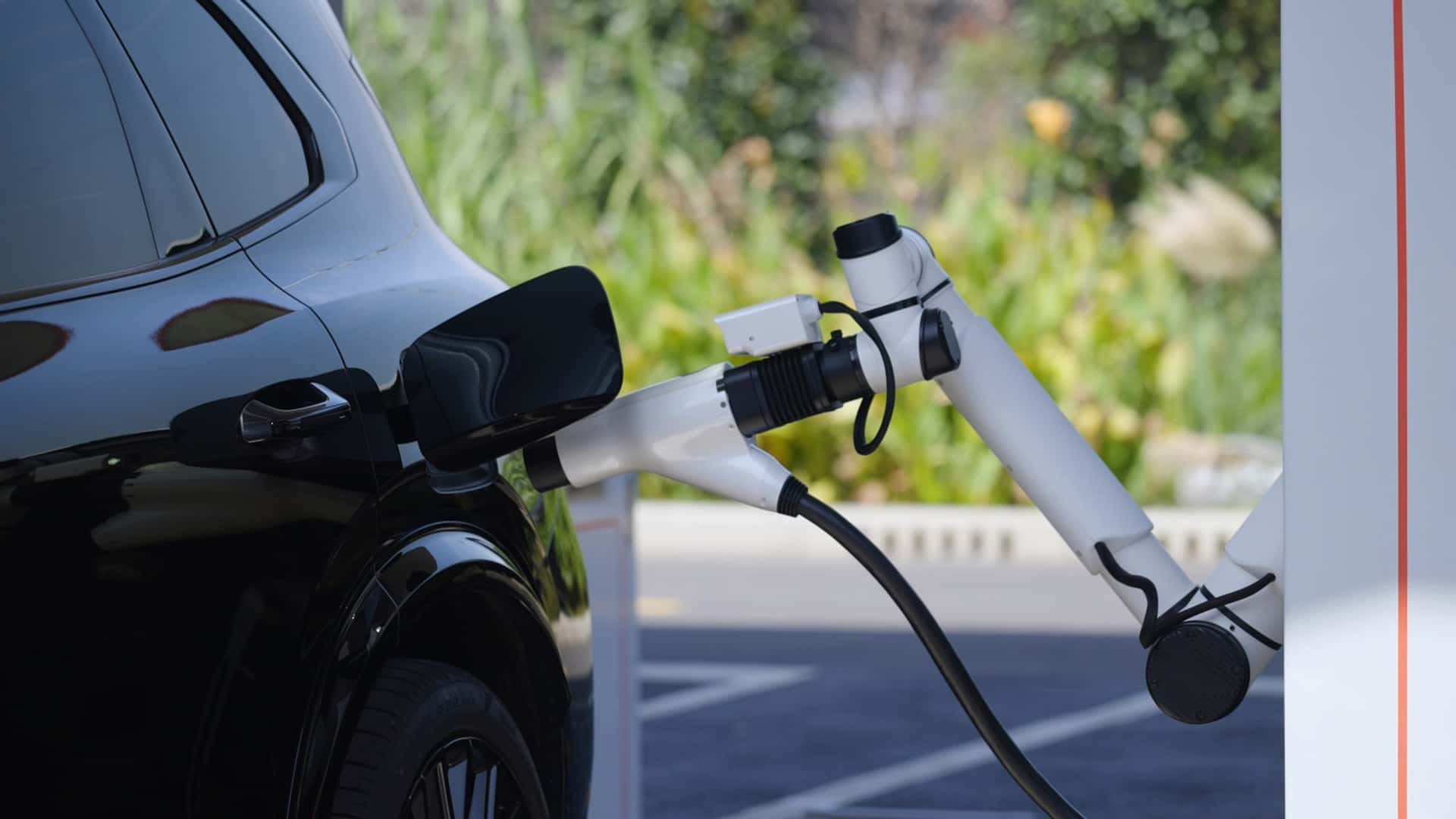
Geely Unveils 2.25 Megawatt EV Charger, Outpacing Competitors
Geely has introduced a new electric vehicle (EV) charger with an impressive output of 2.25…
17h ago
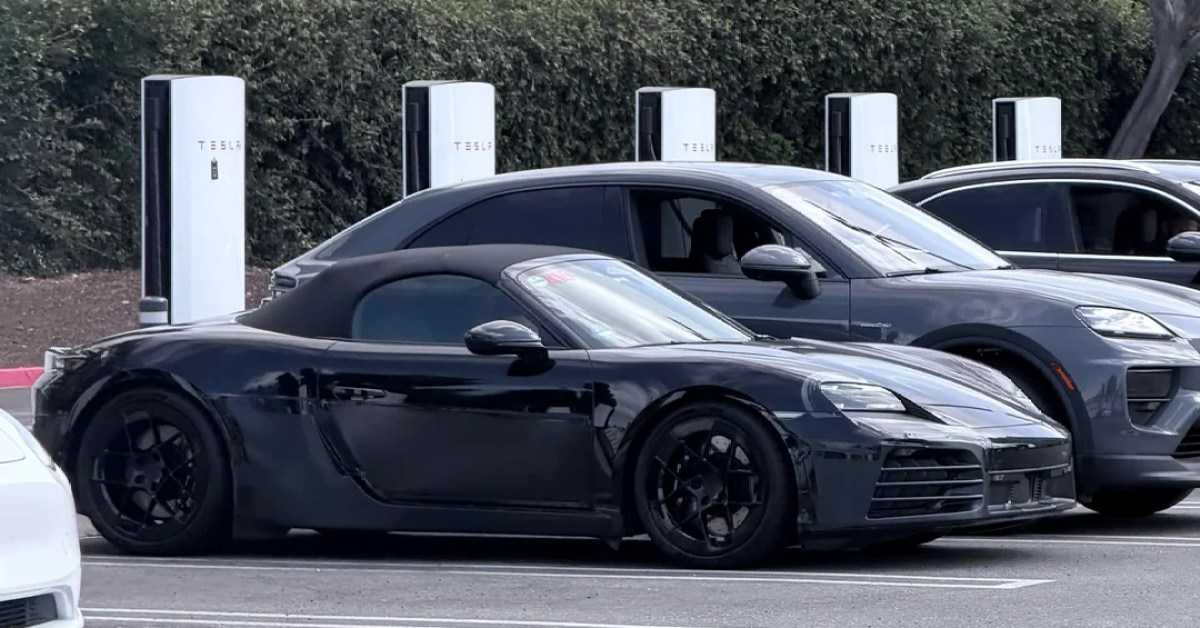
Electric Porsche Boxster Spotted Charging at Tesla Supercharger
An electric version of the Porsche Boxster has been observed charging at a Tesla Supercharger…
1d ago
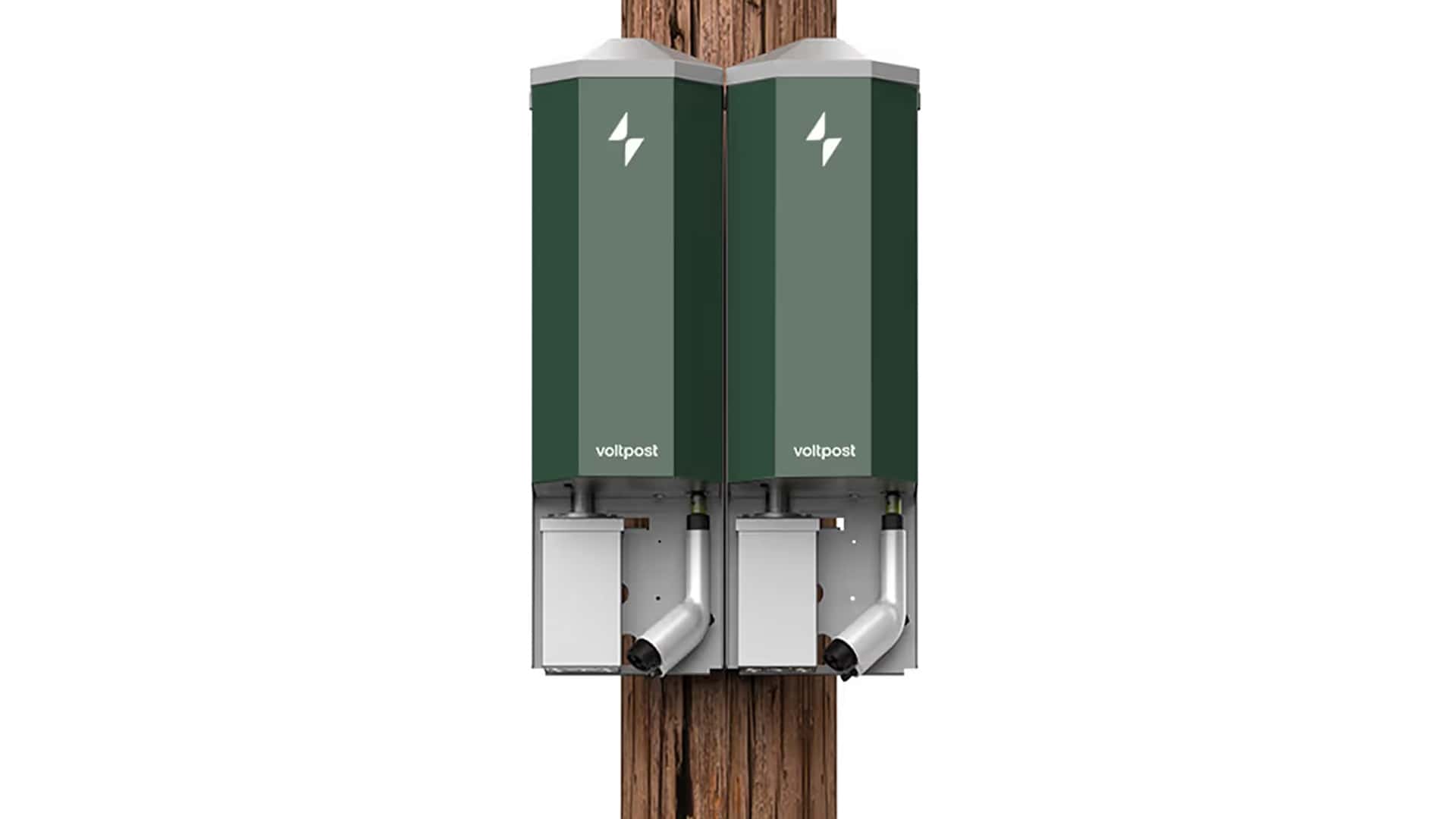
Voltpost Expands Lamppost EV Chargers with Free Top-Ups in Brooklyn
Voltpost has launched over a dozen new lamppost-mounted EV charging ports across New York,…
1d ago

Geely Introduces 2.2MW Charger for 4-Minute EV Charging
Geely has announced a new electric car battery and charging system that enables charging times of…
2d ago