
More Plugs, Less Power? The Surprising Math Behind Better EV Charging
Updated September 6, 2026
3 min read
1 linked source
Recent discussions highlight that while ultra-fast EV chargers attract attention, their sustainability is in question due to profitability concerns for installation companies. This situation affects EV owners and buyers who rely on these charging options for convenience and efficiency. The financial viability of charging infrastructure remains uncertain, potentially impacting future availability.
Share this story
Why it matters
- ✓EV buyers may face limited access to ultra-fast charging options if companies cannot sustain their operations profitably.
- ✓The cost of charging infrastructure could influence the overall ownership costs of electric vehicles.
- ✓A decrease in charging availability could affect day-to-day use and convenience for current EV owners.
Reporting notes
EV Signal briefs are written to explain the verified change first, then add the context EV buyers and owners need to understand cost, availability, charging access, eligibility, or ownership impact.
If details are still developing, we try to say what is confirmed, what comes from secondary reporting, and what readers should verify before acting.
Source mix
1 linked source
1 media
Reviewed from: InsideEVs.
More Plugs, Less Power? The Surprising Math Behind Better EV Charging
Recent discussions in the electric vehicle (EV) community have raised concerns about the sustainability of ultra-fast EV chargers. While these chargers are designed to provide quick and convenient charging solutions, their long-term viability is being questioned due to profitability issues faced by the companies installing them.
What Changed?
The primary change is the realization that the installation and operation of ultra-fast EV chargers may not be financially sustainable. As reported by InsideEVs, although these chargers make for compelling headlines, they require a solid business model to survive. If the companies behind these installations are not making money, the future of ultra-fast charging could be in jeopardy.
Why It Matters for Buyers/Owners
This situation has several implications for EV buyers and owners:
- Access to Charging: If companies cannot maintain their ultra-fast charging stations, EV buyers may find it more challenging to locate convenient charging options, especially during long trips.
- Ownership Costs: The financial struggles of charging infrastructure providers could lead to increased costs for charging, which would affect the overall cost of owning an electric vehicle.
- Day-to-Day Use: A decline in the availability of fast chargers could impact the daily convenience of using an EV, potentially discouraging new buyers from making the switch to electric.
Key Details from Source Material
According to InsideEVs, the allure of ultra-fast chargers lies in their ability to charge vehicles quickly, making them attractive for long-distance travel. However, the underlying issue is that these installations require significant investment and ongoing operational costs. If the companies installing these chargers do not find a way to make them profitable, we could see a reduction in the number of ultra-fast chargers available to consumers.
What to Watch Next
As this situation develops, it will be important to monitor how companies respond to these profitability challenges. Will they adjust their business models, or will we see a shift towards different types of charging solutions? Additionally, keep an eye on any potential government incentives or policies that could impact the financial landscape for EV charging infrastructure. The future of ultra-fast charging may hinge on these factors, and staying informed will be crucial for current and prospective EV owners.
Sources
These are the documents and reports used to build this brief so readers can verify the story directly.
Comments
Log in with
Loading comments…
More in Charging
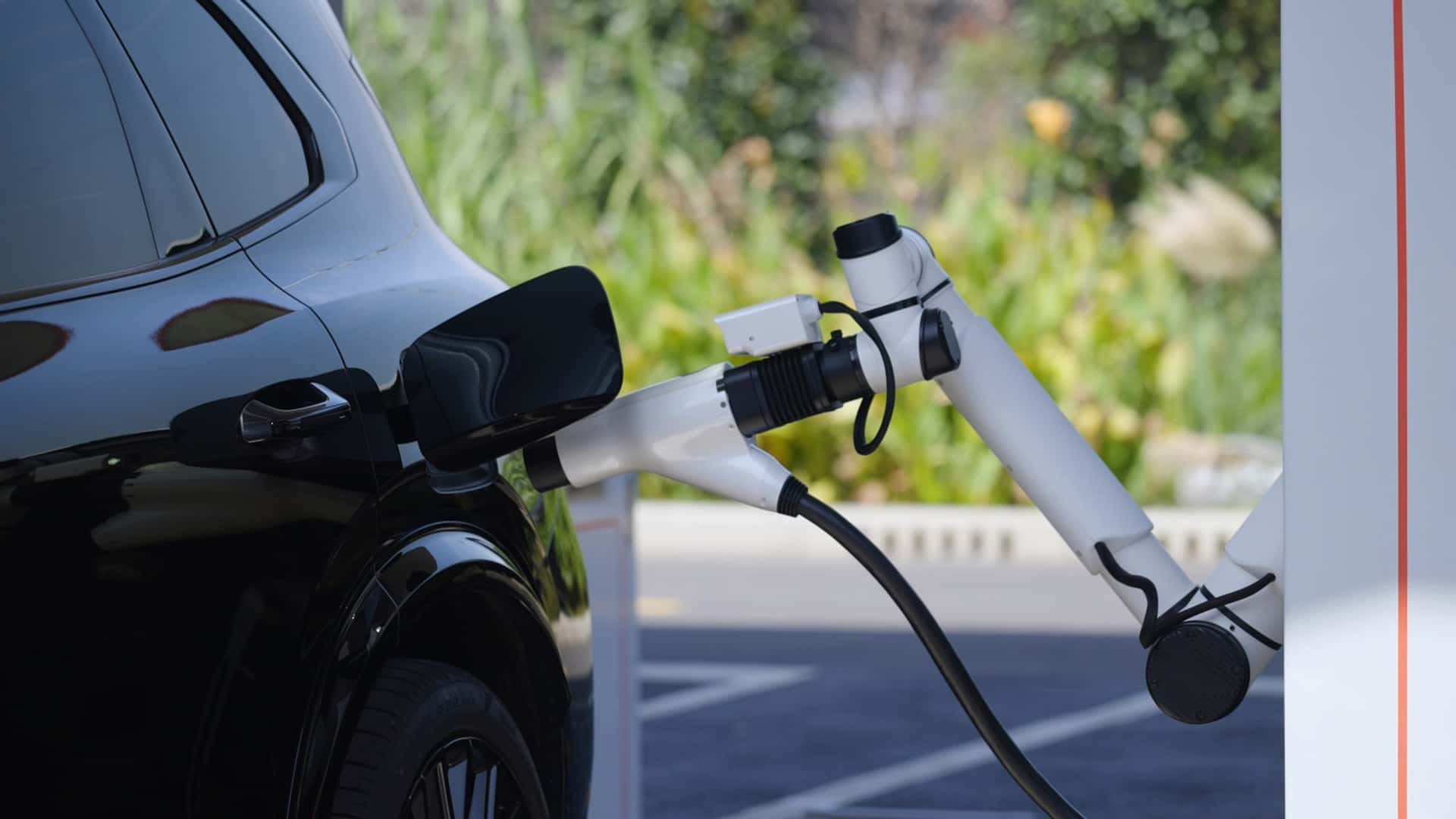
Geely Unveils 2.25 Megawatt EV Charger, Outpacing Competitors
Geely has introduced a new electric vehicle (EV) charger with an impressive output of 2.25…
17h ago
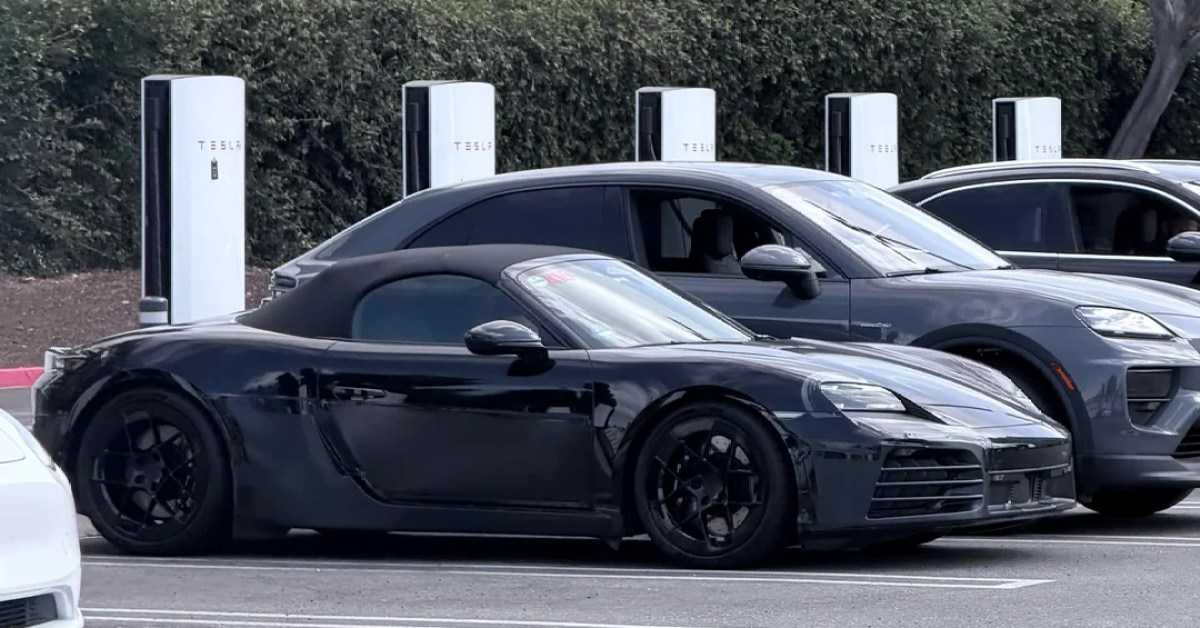
Electric Porsche Boxster Spotted Charging at Tesla Supercharger
An electric version of the Porsche Boxster has been observed charging at a Tesla Supercharger…
1d ago
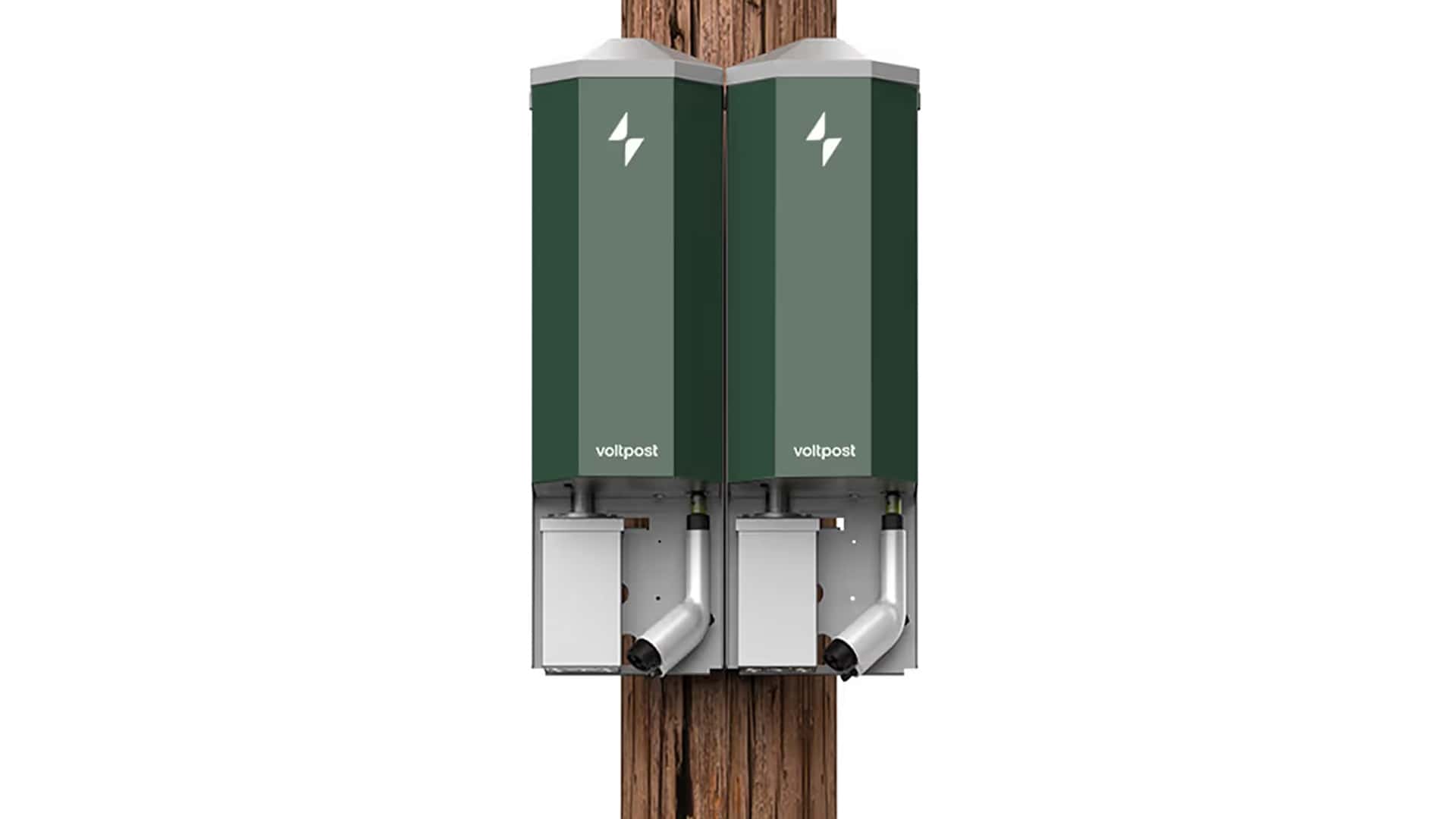
Voltpost Expands Lamppost EV Chargers with Free Top-Ups in Brooklyn
Voltpost has launched over a dozen new lamppost-mounted EV charging ports across New York,…
1d ago

Geely Introduces 2.2MW Charger for 4-Minute EV Charging
Geely has announced a new electric car battery and charging system that enables charging times of…
2d ago