
Liebherr Converts 600-Ton Excavator from Diesel to Electric
Updated April 18, 2026
3 min read
1 linked source
Lloyds Metals and Energy has successfully converted a 650-ton Liebherr R 996 excavator from diesel to fully electric power, marking a significant milestone in heavy machinery electrification. This conversion is part of a broader initiative to reduce emissions in mining operations. While this is a breakthrough, details on the performance and operational implications of the electric excavator are still emerging.
Share this story
Why it matters
- ✓This conversion could lead to lower operational costs for mining companies, as electric machinery typically has reduced fuel and maintenance expenses compared to diesel.
- ✓The shift to electric may influence the availability of electric heavy machinery options for buyers in the mining sector, potentially expanding the market.
- ✓As more companies adopt electric solutions, it could accelerate the development of charging infrastructure tailored for heavy equipment.
Reporting notes
EV Signal briefs are written to explain the verified change first, then add the context EV buyers and owners need to understand cost, availability, charging access, eligibility, or ownership impact.
If details are still developing, we try to say what is confirmed, what comes from secondary reporting, and what readers should verify before acting.
Source mix
1 linked source
1 media
Reviewed from: Electrek.
Liebherr Converts 600-Ton Excavator from Diesel to Electric
Lloyds Metals and Energy has made a significant advancement in the electrification of heavy machinery by converting a 650-ton Liebherr R 996 excavator from diesel to fully electric power. This initiative is being hailed as a breakthrough in the mining industry, which has traditionally relied on diesel-powered equipment. The successful conversion marks a pivotal moment in efforts to reduce greenhouse gas emissions in mining operations and demonstrates the potential for large-scale electrification in heavy machinery.
What Changed
The Liebherr R 996 excavator, a massive piece of equipment typically used in mining operations, has transitioned from diesel to electric power. This conversion is not just a one-off project; Lloyds Metals and Energy has indicated that this will be the first of many similar conversions aimed at enhancing sustainability in the mining sector. The move to electric power is expected to bring about significant changes in how these machines operate, although specific performance metrics and operational details are still forthcoming.
Why It Matters for Buyers and Owners
The conversion of heavy machinery like the Liebherr R 996 to electric power has several implications for buyers and owners in the mining sector:
- Cost Efficiency: Electric machinery generally incurs lower operational costs compared to diesel-powered counterparts. This includes savings on fuel and maintenance, which can be substantial over time.
- Market Expansion: As more companies like Lloyds Metals and Energy invest in electric heavy machinery, buyers in the mining sector may find a growing range of electric options available, potentially leading to increased competition and innovation.
- Infrastructure Development: The shift towards electric machinery could stimulate the development of specialized charging infrastructure for heavy equipment, making it easier for mining operations to adopt electric solutions.
Key Details from Source Material
According to Electrek, the conversion of the Liebherr R 996 excavator is part of a broader initiative by Lloyds Metals and Energy to reduce emissions in their operations. The company has not provided specific details regarding the performance of the electric excavator or how it compares to its diesel predecessor in terms of power, efficiency, or operational range. However, the commitment to further electrification suggests a strategic pivot towards sustainable practices in mining.
What to Watch Next
As the electrification of heavy machinery continues to evolve, stakeholders in the mining industry should keep an eye on the following developments:
- Performance Metrics: Future updates from Lloyds Metals and Energy regarding the operational performance of the electric excavator will be crucial in assessing its viability compared to diesel-powered models.
- Regulatory Changes: Any new regulations or incentives aimed at promoting electric machinery in mining could impact adoption rates and operational costs.
- Industry Adoption: Monitoring how other companies respond to this initiative and whether they follow suit with their own electrification efforts will provide insights into the future landscape of heavy machinery.
In conclusion, the conversion of the Liebherr R 996 excavator from diesel to electric represents a significant step forward in the mining industry's shift towards sustainability. While details are still emerging, the potential benefits for cost savings and environmental impact could reshape how mining operations are conducted in the future.
Sources
These are the documents and reports used to build this brief so readers can verify the story directly.
Comments
Log in with
Loading comments…
More in Ownership
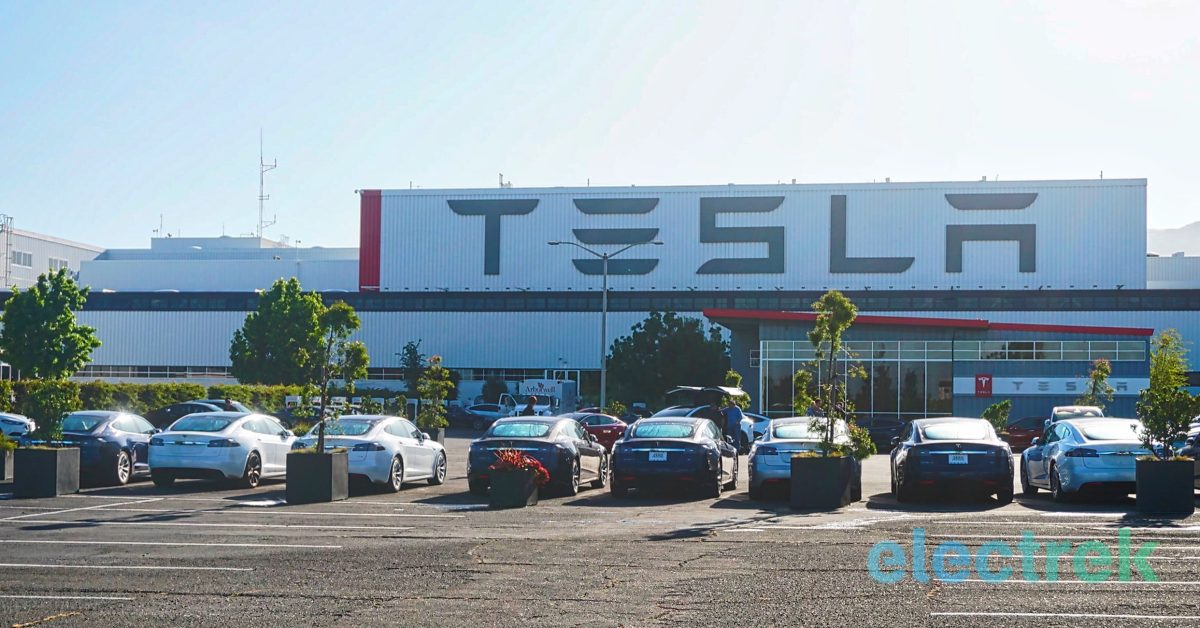
Tesla's Lawyers Misled Witness in Racism Trial
Tesla's ongoing racism trial in California has faced significant setbacks as it was revealed that a…
18h ago
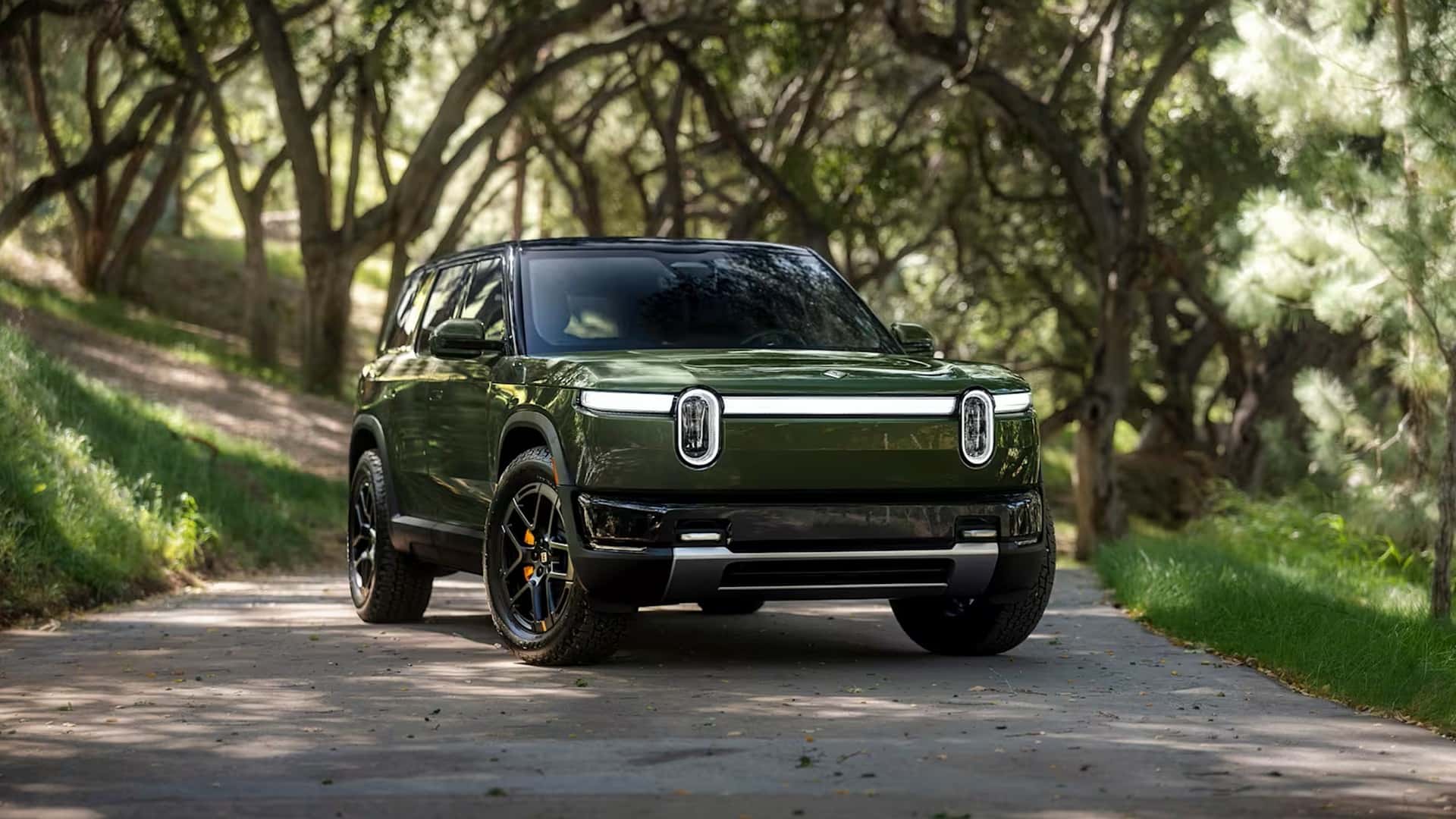
Rivian R2 Faces First Recall Due to Camera Issue
Rivian has issued a recall affecting nearly 99,000 vehicles, including some of its new R2 models,…
18h ago
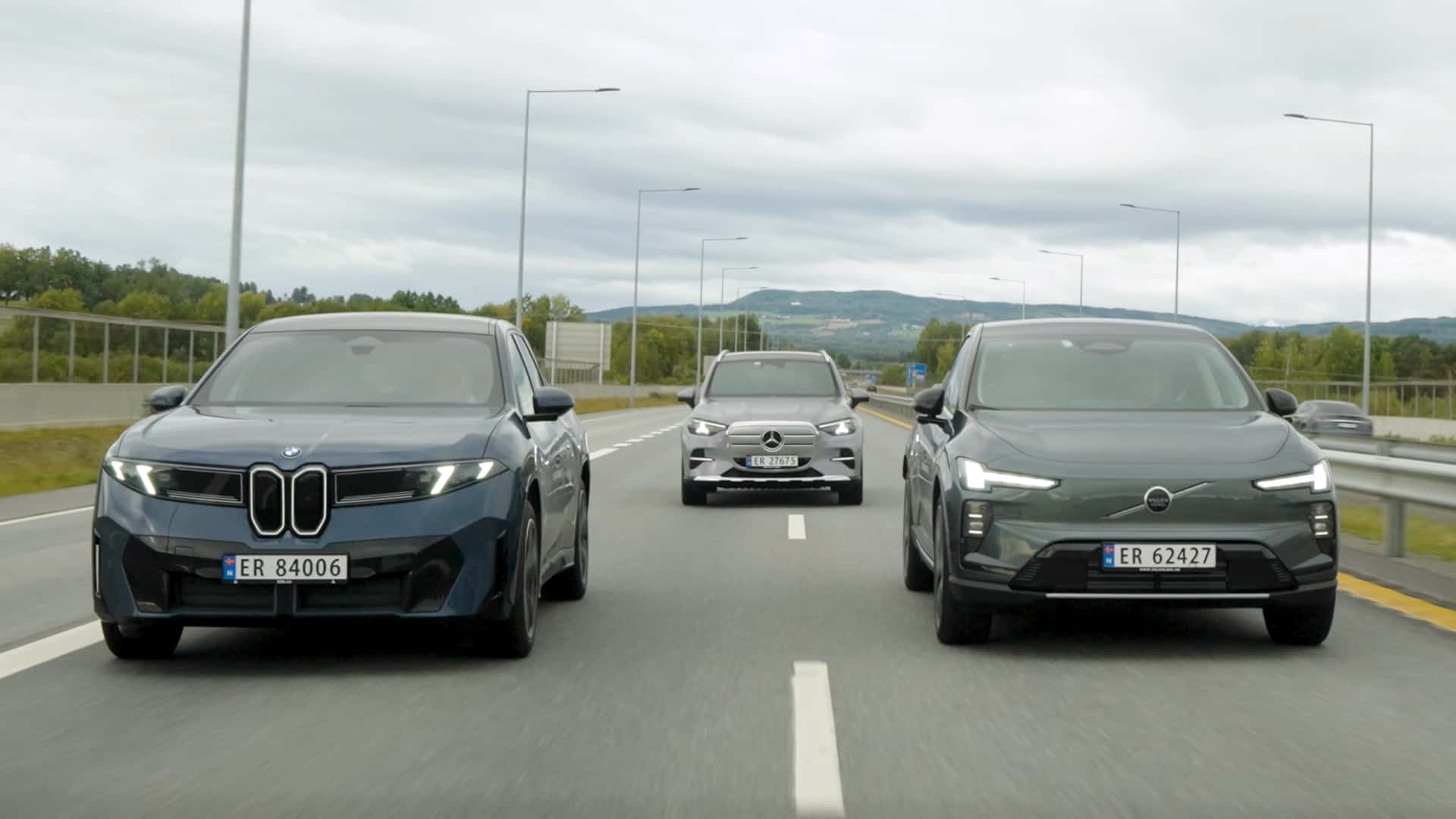
BMW iX3 Outperforms Mercedes GLC and Volvo EX60 in Highway Efficiency Test
In a recent highway test, the BMW iX3 demonstrated superior energy efficiency and range compared to…
1d ago
PHEV Batteries Show Resilience Despite Frequent Cycling
Plug-in hybrid electric vehicles (PHEVs) experience more frequent battery cycling than fully…
1d ago