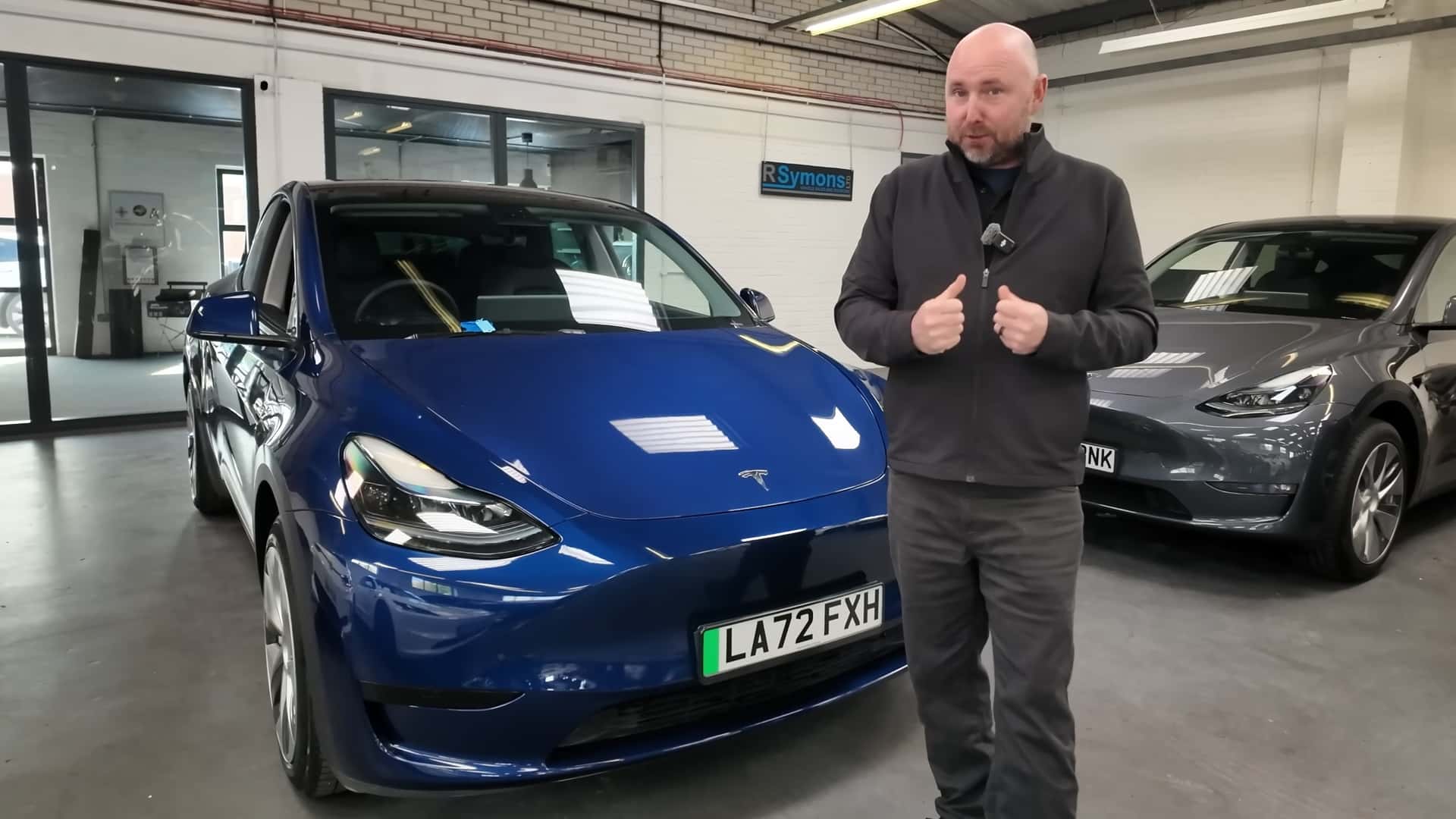
111,000-Mile Tesla Model Y Shows Resilience Against Fast-Charging Battery Degradation
Updated April 18, 2026
3 min read
1 linked source
A Tesla Model Y that has been driven over 111,000 miles, previously used as a taxi, demonstrates minimal battery degradation despite frequent fast-charging. This finding challenges the common belief that fast-charging significantly harms EV battery life. However, more data is needed to generalize these results across all EV models and driving conditions.
Share this story
Why it matters
- ✓This case suggests that fast-charging may not be as detrimental to battery health as previously thought, potentially easing concerns for current and prospective EV owners.
- ✓If fast-charging can be safely used without significant degradation, it could enhance the convenience of owning an EV, especially for those who rely on quick charging during travel.
- ✓Understanding battery longevity can influence resale value and overall ownership costs for EV buyers.
Reporting notes
EV Signal briefs are written to explain the verified change first, then add the context EV buyers and owners need to understand cost, availability, charging access, eligibility, or ownership impact.
If details are still developing, we try to say what is confirmed, what comes from secondary reporting, and what readers should verify before acting.
Source mix
1 linked source
1 media
Reviewed from: InsideEVs.
111,000-Mile Tesla Model Y Shows Resilience Against Fast-Charging Battery Degradation
A Tesla Model Y, which has accumulated over 111,000 miles and was previously utilized as a taxi, is demonstrating remarkable battery resilience. This vehicle's battery has shown minimal degradation despite frequent fast-charging, challenging the prevalent notion that such charging methods significantly harm electric vehicle (EV) batteries.
What Changed
The key change highlighted in this case is the performance of the Tesla Model Y's battery after extensive use and fast-charging. Traditionally, fast-charging has been associated with accelerated battery wear, leading many potential EV buyers to hesitate about using this feature. However, the performance of this high-mileage Model Y suggests that the impact of fast-charging on battery health may not be as severe as once believed.
Why It Matters for Buyers/Owners
- Easing Concerns: This finding could alleviate concerns for current and potential EV owners about the long-term effects of fast-charging on battery life.
- Enhanced Convenience: If fast-charging is proven to be safe for battery health, it could significantly improve the convenience of owning an EV, especially for those who need to charge quickly while on the go.
- Impact on Resale Value: Understanding the longevity of batteries under fast-charging conditions can influence the resale value and overall ownership costs for EV buyers, making them more confident in their investment.
Key Details from Source Material
According to InsideEVs, the Tesla Model Y in question has maintained a strong battery performance despite its extensive mileage and previous use as a taxi. This situation presents a compelling case for the durability of Tesla's battery technology, particularly in high-use scenarios. The article emphasizes that while this individual case is promising, it does not provide a comprehensive view applicable to all EVs or battery types. More extensive studies are required to draw broader conclusions about battery health across different models and charging habits.
What to Watch Next
As this situation unfolds, it will be important to monitor further reports and studies regarding battery health in various EV models, especially those that frequently utilize fast-charging. Future data could provide more insights into how different driving conditions and charging practices affect battery longevity, potentially reshaping consumer perceptions and purchasing decisions in the EV market. Additionally, Tesla's ongoing advancements in battery technology and management systems will be crucial to watch, as they may further influence the landscape of EV ownership and charging practices.
Sources
These are the documents and reports used to build this brief so readers can verify the story directly.
Comments
Log in with
Loading comments…
More in Ownership
Tesla's Lawyers Misled Witness in Racism Trial
Tesla's ongoing racism trial in California has faced significant setbacks as it was revealed that a…
18h ago

Rivian R2 Faces First Recall Due to Camera Issue
Rivian has issued a recall affecting nearly 99,000 vehicles, including some of its new R2 models,…
18h ago
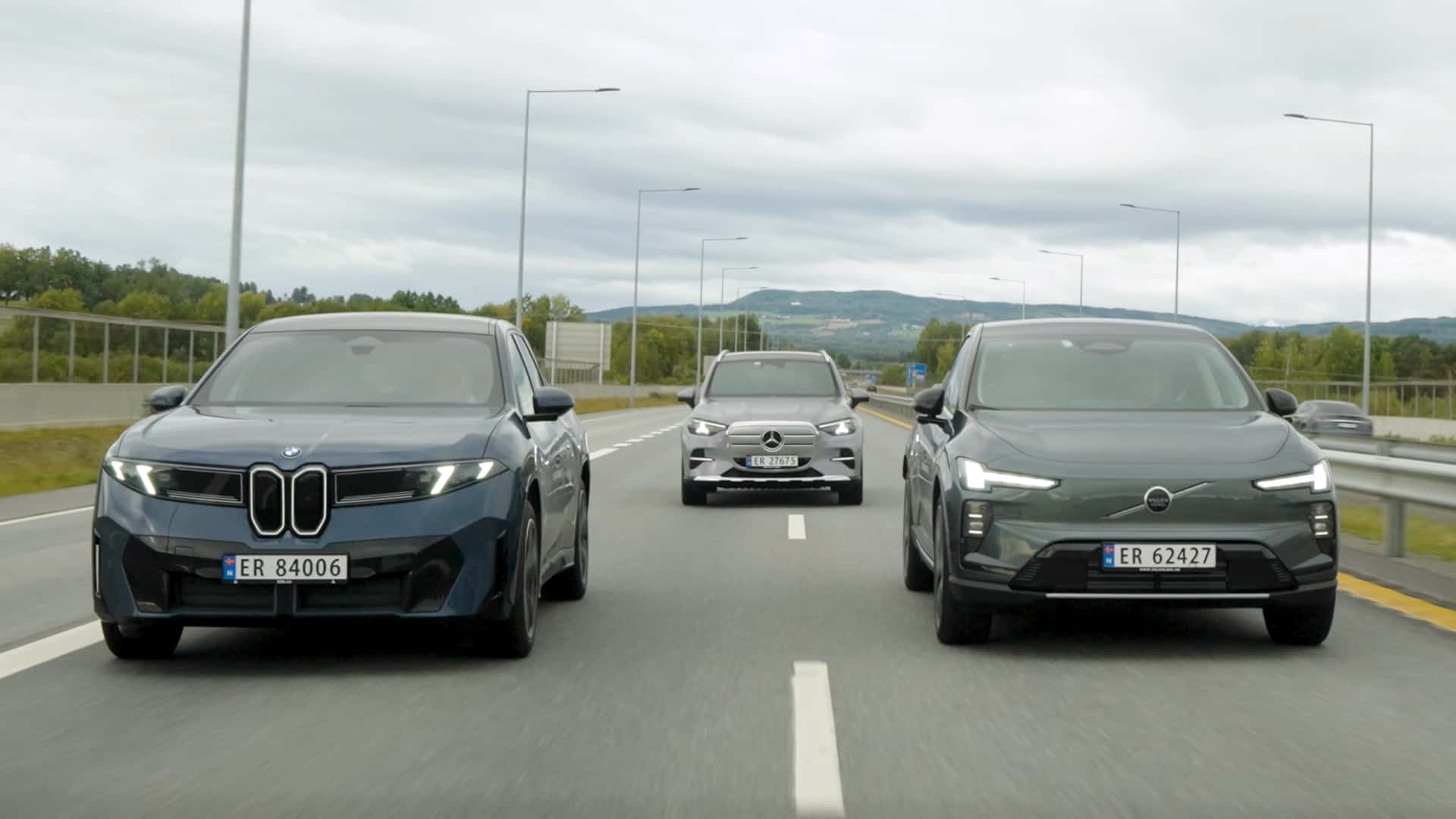
BMW iX3 Outperforms Mercedes GLC and Volvo EX60 in Highway Efficiency Test
In a recent highway test, the BMW iX3 demonstrated superior energy efficiency and range compared to…
1d ago
PHEV Batteries Show Resilience Despite Frequent Cycling
Plug-in hybrid electric vehicles (PHEVs) experience more frequent battery cycling than fully…
1d ago