JUNA Deploys Over 100 Scania Electric Semi Trucks
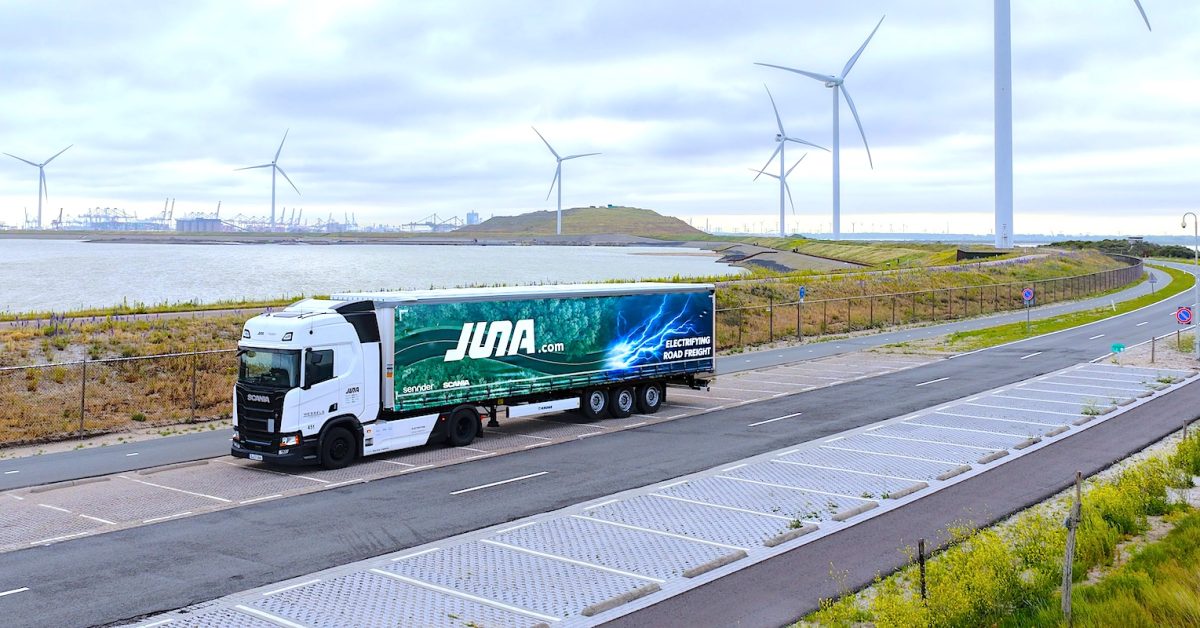
JUNA, a shipping fleet, has announced the deployment of its 110th battery electric vehicle (BEV), specifically Scania electric semi trucks. This marks a significant step in the adoption of electric trucks in commercial fleets, particularly in regions where electric vehicles have been operational for years. The announcement highlights the ongoing transition to electric logistics solutions but does not provide details on the operational performance or charging infrastructure.

Key takeaways
30-second read- 1The deployment of electric semi trucks can lead to lower operational costs for fleets due to reduced fuel expenses.
- 2Increased availability of electric trucks may encourage other companies to consider transitioning their fleets to electric, impacting the overall market.
- 3This move may influence the development of charging infrastructure to support the growing number of electric commercial vehicles.
Confirmed
No official source linked yet
Reported
Secondary reporting: Electrek
Verify yourself
Eligibility, local prices and dates for your car, state or utility
JUNA Deploys Over 100 Scania Electric Semi Trucks
JUNA, a shipping fleet, has recently announced the deployment of its 110th battery electric vehicle (BEV), specifically Scania electric semi trucks. This milestone reflects the growing trend of electric trucks being integrated into commercial fleets, particularly in regions where electric vehicle technology has been operational for several years.
What Changed
The key change is JUNA's decision to expand its fleet with the addition of over 100 Scania electric semi trucks. This deployment signifies a commitment to sustainable logistics solutions and showcases the viability of electric vehicles in the commercial transport sector. While the announcement is significant, it lacks specific details regarding the operational performance of these trucks or the charging infrastructure in place to support them.
Why It Matters for Buyers and Owners
The deployment of electric semi trucks by JUNA has several implications for buyers and owners in the EV market:
- Cost Efficiency: The transition to electric trucks can lead to lower fuel costs, which is a crucial factor for fleet operators looking to reduce operational expenses.
- Market Influence: As more companies like JUNA adopt electric vehicles, it may encourage other businesses to explore electric options, potentially increasing the availability of electric trucks in the market.
- Charging Infrastructure Development: The growing number of electric commercial vehicles may drive the development of more robust charging infrastructure, which is essential for supporting the operational needs of electric fleets.
Key Details from Source Material
According to Electrek, JUNA's announcement highlights the ongoing shift towards electric logistics solutions. While the company has successfully integrated its 110th BEV into its operations, the report does not provide insights into the specific performance metrics of these trucks or the charging solutions that JUNA has implemented to support their use. This lack of detail leaves some questions unanswered regarding the practical implications of this transition for fleet operations.
What to Watch Next
As JUNA continues to expand its fleet of electric semi trucks, it will be important to monitor how these vehicles perform in real-world logistics scenarios. Additionally, developments in charging infrastructure and any potential partnerships with charging network providers could significantly impact the operational efficiency of electric fleets. Stakeholders in the EV market should keep an eye on future announcements from JUNA and other companies in the industry as they navigate the transition to electric vehicles.
Sources
1 media- [1]JUNA puts more than 100 Scania electric semi trucks to workMedia
Electrek · electrek.co · published Sep 26
Newsletter
Weekly EV signal. No spam.
Comments
Log in with
Loading comments…