Huawei Joins CATL's Battery Swap Network with 2,520 Stations
Huawei's automotive unit, Yinwang, has partnered with CATL to join its extensive battery swap network, which includes 2,520 stations across approximately 200 cities in China. This collaboration marks a significant development in the battery swap technology that many in the industry had previously dismissed. The exact implications for EV buyers and owners remain to be fully clarified.

Key takeaways
30-second read- 1Increased access to battery swapping could enhance convenience for EV owners, allowing for quicker vehicle recharging.
- 2The partnership may lead to lower ownership costs if battery swapping becomes a more widely adopted practice.
- 3Potentially expands the market for Huawei's EV offerings, which could lead to more competitive pricing and options for consumers.
Confirmed
No official source linked yet
Reported
Secondary reporting: Electrek
Verify yourself
Eligibility, local prices and dates for your car, state or utility
Huawei Joins CATL's Battery Swap Network
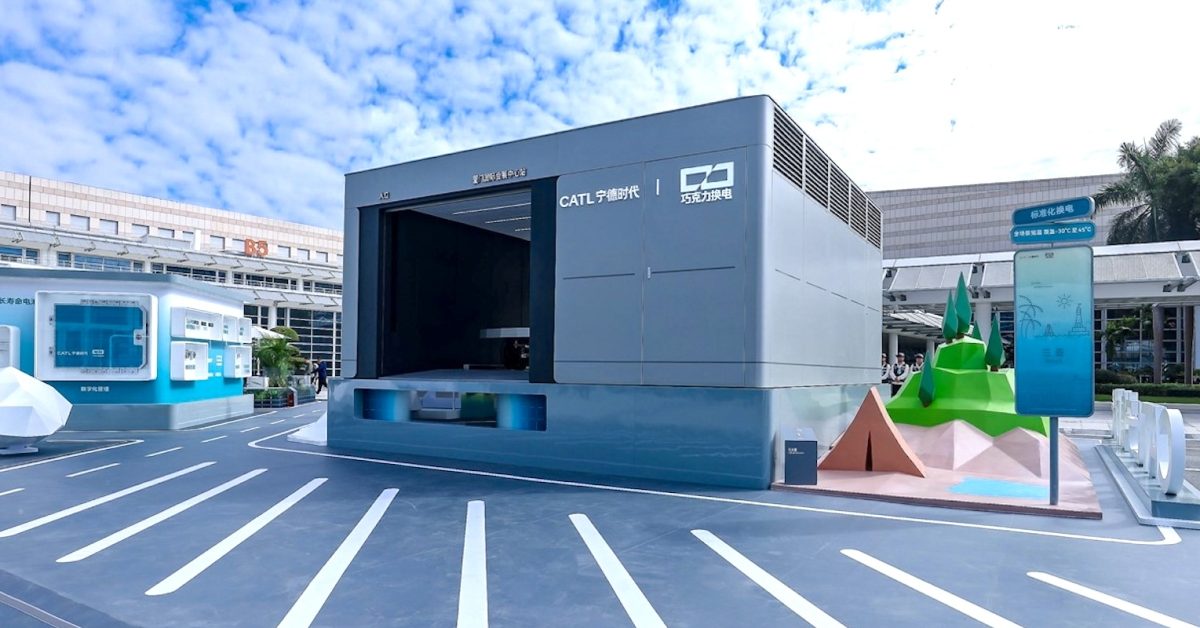
Huawei's automotive division, known as Yinwang or Newcool, has officially signed a strategic cooperation framework with CATL, the world's largest battery manufacturer, to integrate into CATL's battery swap network. This network, branded as Choco-swap, boasts 2,520 stations spread across around 200 cities in China, marking a significant step forward for battery swapping technology in the electric vehicle (EV) sector.
What Changed
The partnership between Huawei and CATL signifies a renewed commitment to battery swapping, a concept that many in the automotive industry had largely dismissed a decade ago. With this collaboration, Huawei aims to leverage CATL's established infrastructure to enhance its smart car offerings and provide a more seamless experience for EV users.
Why It Matters for Buyers/Owners
-
Enhanced Convenience: The integration into CATL's extensive network could provide Huawei EV owners with quicker and more convenient recharging options, reducing downtime associated with traditional charging methods.
-
Potential Cost Savings: If battery swapping becomes a standard practice, it may lower the overall cost of EV ownership by allowing users to pay for battery usage rather than the battery itself, similar to a subscription model.
-
Market Expansion: This partnership may lead to a broader range of EV options from Huawei, potentially increasing competition in the market and offering consumers more choices at various price points.
Key Details from Source Material
According to Electrek, the strategic cooperation framework was signed on a Monday, and it highlights Huawei's commitment to advancing its smart car business through innovative technologies. CATL's Choco-swap network is already operational, with thousands of stations available for use, which could facilitate a smoother transition for Huawei's entry into the battery swap market.
What to Watch Next
As this partnership develops, it will be important to monitor how quickly Huawei can roll out its EV models that utilize the battery swap technology and how the market responds. Additionally, the impact on pricing and availability for consumers will be crucial in determining the success of this initiative. Further announcements from both companies regarding specific models and pricing structures are anticipated in the coming months.
Buying guide: Best Level 2 Home EV Charger (2026): How to Choose
Sources
1 media- [1]Huawei’s car unit joins CATL’s 2,520-station battery swap networkMedia
Electrek · electrek.co · published Oct 19
Newsletter
Weekly EV signal. No spam.
Comments
Log in with
Loading comments…