Green Banks Adjust Plans Amid Funding Challenges

Edited by Dash Coilwright
Incentives & Software
Updated October 12, 2026
3 min read
1 linked source
Green banks are scaling back their plans due to a funding freeze initiated during the Trump administration. This affects various community projects, including solar initiatives and affordable housing developments, particularly in low-income areas. The uncertainty surrounding future funding may limit the scope and reach of these green initiatives.
Share this story
Why it matters
- ✓Reduced funding for green banks could slow the development of affordable EV charging infrastructure, impacting accessibility for low-income households.
- ✓Community solar projects and energy efficiency programs may face delays, affecting potential savings on energy costs for EV owners.
- ✓The scaling back of projects could hinder the overall transition to sustainable energy solutions, which are crucial for the growth of the EV market.
Green Banks Adjust Plans Amid Funding Challenges
Green banks across the United States are currently scaling back their plans due to a funding freeze that was initiated during the Trump administration. This change has significant implications for various community projects aimed at promoting renewable energy and energy efficiency, particularly in low-income areas.
What Changed
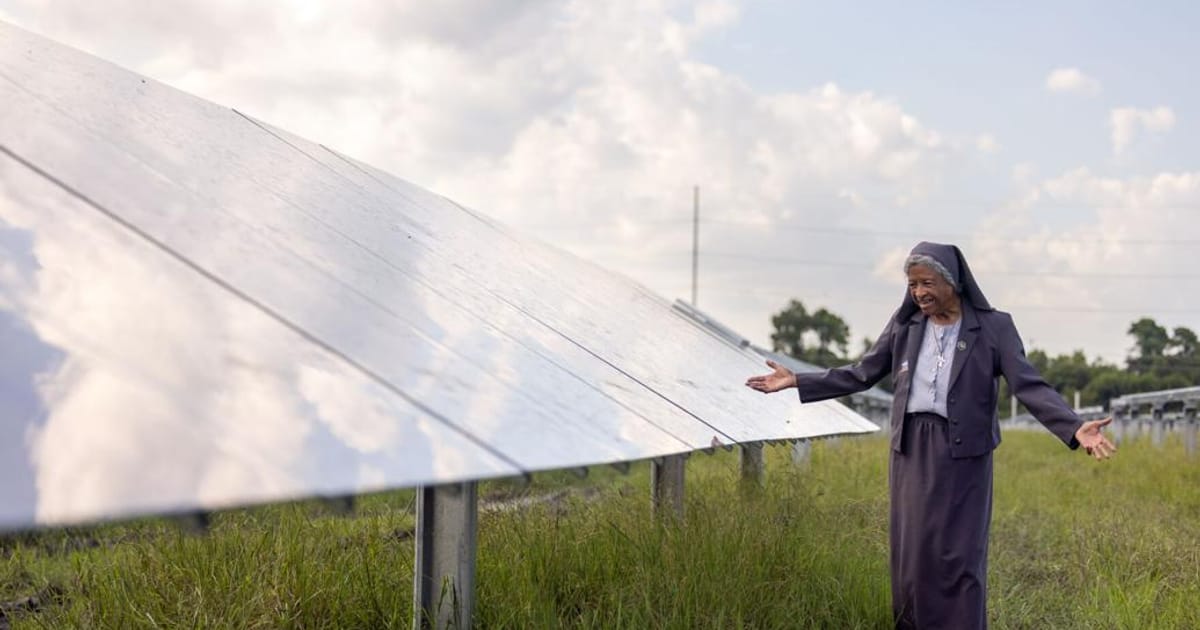
The freeze on funding has forced green banks to reassess their initiatives, which include community solar projects, affordable housing developments, and programs designed to provide low-income households with access to inexpensive loans for rooftop solar installations and energy efficiency upgrades. Projects such as a community solar initiative for New Orleans’ oldest historically Black Catholic order of nuns and an all-electric affordable housing complex in Salt Lake City are among those affected.
Why It Matters for Buyers/Owners
The implications of this funding freeze are particularly relevant for EV buyers and owners:
- Reduced Charging Infrastructure: The slowdown in green bank projects could lead to fewer investments in affordable EV charging stations, making it more challenging for low-income households to access charging options.
- Impact on Energy Costs: Community solar projects and energy efficiency programs are designed to lower energy costs. Delays in these initiatives may prevent EV owners from realizing potential savings on their energy bills, which could affect the overall cost of owning an electric vehicle.
- Hindered Transition to Sustainability: The scaling back of green bank projects could slow the transition to renewable energy solutions, which is essential for the growth of the EV market and the broader adoption of electric vehicles.
Key Details from Source Material
According to Canary Media, several projects have been put on hold or scaled back due to the funding freeze. This includes initiatives that aim to provide affordable housing and energy efficiency solutions to low-income families. The funding freeze has created uncertainty about the future of these projects, which are crucial for promoting sustainable energy practices and improving access to renewable energy resources.
What to Watch Next
As green banks navigate these funding challenges, it will be important to monitor any developments regarding potential new funding sources or policy changes that could reinstate support for these initiatives. Stakeholders in the EV market should keep an eye on how these changes may affect the availability of charging infrastructure and energy efficiency programs in their communities. Additionally, advocacy for increased funding and support for green banks may emerge as a response to these challenges, potentially influencing future policy decisions.
In summary, the funding freeze affecting green banks poses significant challenges for community solar projects and affordable housing initiatives, which in turn impacts the accessibility and affordability of electric vehicle ownership for many consumers.
Sources
These are the documents and reports used to build this brief so readers can verify the story directly.
- With scaled-back plans, green banks navigate Trump’s funding freeze — Canary MediaMEDIA
Reporting notes
EV Signal briefs are written to explain the verified change first, then add the context EV buyers and owners need to understand cost, availability, charging access, eligibility, or ownership impact.
If details are still developing, we try to say what is confirmed, what comes from secondary reporting, and what readers should verify before acting.
Source mix
1 linked source
1 media
Reviewed from: Canary Media.
Comments
Log in with
Loading comments…
More in Incentives

Balancing Affordability and Climate Action in Elections
A recent letter to the Boston Globe highlights the ongoing debate over prioritizing affordability…
8h ago

Bipartisan Bill Introduced to Reauthorize Clean School Bus Program
A bipartisan bill has been introduced in the House of Representatives to reauthorize the Clean…
8h ago
Agrivoltaic Movement Benefits Farmers Amid Rising Fuel Costs
The agrivoltaic movement, which integrates solar panels with agricultural practices, is providing…
14h ago

Kia's 7-Seat PV5 Electric Van Price Reduced in the UK
Kia's 7-seat PV5 electric van is now eligible for the UK Government's Electric Car Grant, reducing…
2d ago