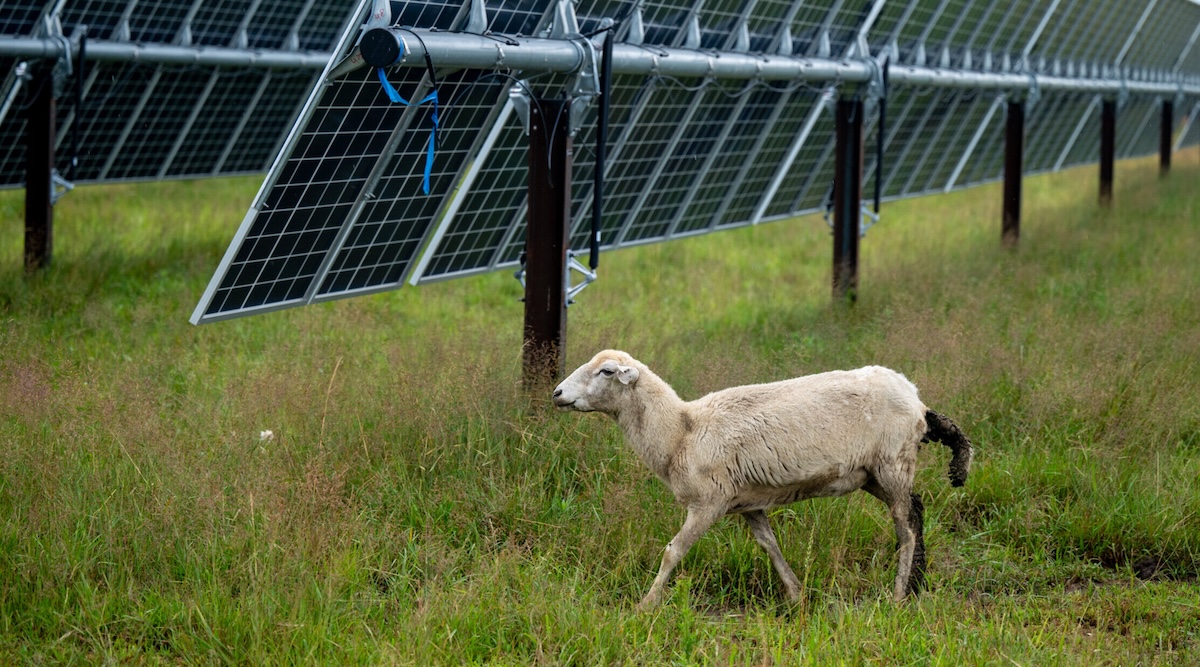
Agrivoltaic Movement Benefits Farmers Amid Rising Fuel Costs

Edited by Dash Coilwright
Incentives & Software
Updated October 12, 2026
3 min read
1 linked source
The agrivoltaic movement, which integrates solar panels with agricultural practices, is providing financial relief to farmers facing high fuel costs. This development could enhance the economic viability of farming operations, particularly in the context of increasing energy prices. However, the broader implications for the agricultural sector and energy policy remain to be fully explored.
Share this story
Why it matters
- ✓Increased adoption of solar panels can lead to lower energy costs for farmers, potentially reducing the overall cost of agricultural products.
- ✓As farmers save on energy expenses, they may invest more in electric vehicles (EVs) for their operations, improving charging access in rural areas.
- ✓The agrivoltaic approach could influence energy policy, potentially leading to more incentives for renewable energy adoption among agricultural stakeholders.
Agrivoltaic Movement Benefits Farmers Amid Rising Fuel Costs
The agrivoltaic movement is gaining traction as a viable solution for farmers grappling with soaring fuel costs. By combining solar panel installations with agricultural practices, this innovative approach offers farmers a dual source of income while also addressing energy needs. As the costs of diesel and other fuels continue to rise, the integration of solar energy into farming operations could provide much-needed financial relief.
What Changed
The agrivoltaic model allows farmers to utilize their land for both solar energy production and crop cultivation. This dual-use strategy not only helps farmers offset their energy costs but also contributes to the broader goal of renewable energy adoption. According to CleanTechnica, this movement is particularly timely given the current economic pressures on the agricultural sector, where fuel costs are a significant concern.
Why It Matters for Buyers/Owners
- Cost Savings: Farmers who adopt solar panels can significantly reduce their energy expenses, which may lead to lower prices for agricultural products, benefiting consumers.
- Electric Vehicle Adoption: As farmers save on energy costs, they may be more inclined to invest in electric vehicles for their operations, enhancing charging access in rural areas and promoting EV use in agriculture.
- Influence on Energy Policy: The success of agrivoltaics could lead to increased incentives and support for renewable energy initiatives, which may impact energy policies affecting both farmers and EV owners.
Key Details from Source Material
The CleanTechnica article highlights the financial benefits of agrivoltaics for farmers, particularly in the context of rising fuel prices. By integrating solar panels into their farming practices, farmers can generate additional revenue while also reducing their reliance on fossil fuels. This model not only supports individual farmers but also contributes to the overall shift towards renewable energy in the agricultural sector.
What to Watch Next
As the agrivoltaic movement continues to develop, it will be important to monitor how this approach influences energy policy and agricultural practices. Stakeholders in both the farming and renewable energy sectors may advocate for more incentives to support the adoption of solar technology in agriculture. Additionally, the long-term impacts on pricing for agricultural products and the potential for increased electric vehicle adoption in farming operations are areas to watch closely.
In conclusion, the integration of solar panels into farming practices represents a significant opportunity for farmers to enhance their financial stability while contributing to the renewable energy landscape. As this movement evolves, it could reshape both agricultural economics and energy policy in the United States.
Sources
These are the documents and reports used to build this brief so readers can verify the story directly.
- Trump Must Absolutely Love Solar Panels, Because They Help Farmers — CleanTechnicaMEDIA
Reporting notes
EV Signal briefs are written to explain the verified change first, then add the context EV buyers and owners need to understand cost, availability, charging access, eligibility, or ownership impact.
If details are still developing, we try to say what is confirmed, what comes from secondary reporting, and what readers should verify before acting.
Source mix
1 linked source
1 media
Reviewed from: CleanTechnica.
Comments
Log in with
Loading comments…
More in Incentives

Kia's 7-Seat PV5 Electric Van Price Reduced in the UK
Kia's 7-seat PV5 electric van is now eligible for the UK Government's Electric Car Grant, reducing…
2d ago
California Offers Up to $100,000 for Public EV Charging Port Installations
California is launching a new initiative that will cover up to 100% of eligible costs for…
2d ago

GM and PG&E Launch Incentive Package for Managed EV Charging Program
Pacific Gas and Electric (PG&E) and GM Energy have introduced an incentive package aimed at PG&E…
3d ago

Trump to Award Elon Musk the National Medal of Science
Former President Donald Trump is set to award Elon Musk the National Medal of Science during a…
4d ago