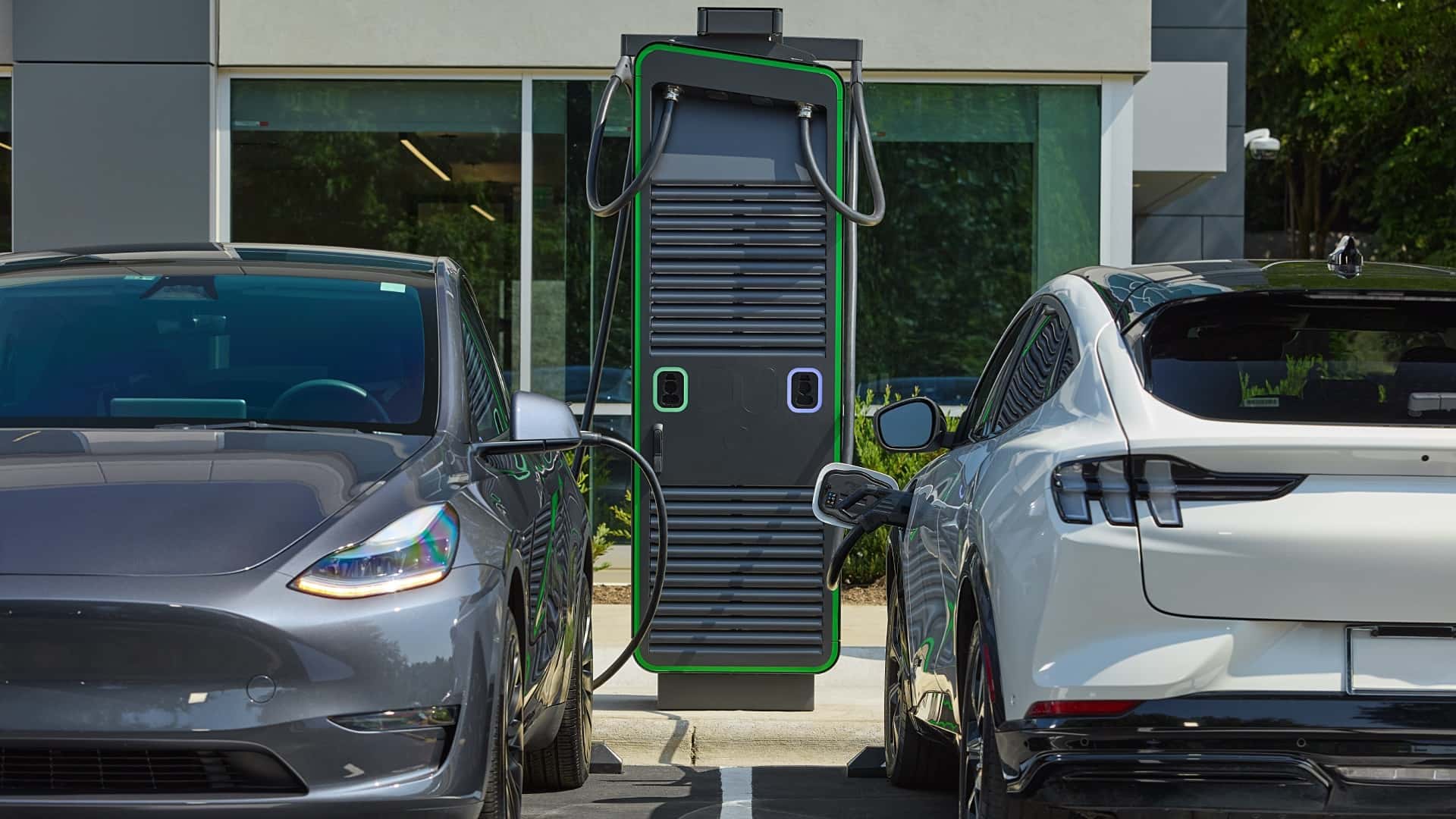
California Offers Up to $100,000 for Public EV Charging Port Installations

Edited by Dash Coilwright
Incentives & Software
Updated October 9, 2026
3 min read
1 linked source
California is launching a new initiative that will cover up to 100% of eligible costs for installing public DC fast chargers, with individual installations potentially costing up to $100,000. This program aims to expand the state's EV charging infrastructure, benefiting both EV buyers and owners. However, specific eligibility criteria and the application process for funding have not yet been detailed.
Share this story
Why it matters
- ✓Increased availability of public charging stations could enhance the convenience of owning an EV in California.
- ✓The program may lower the overall ownership costs for businesses and municipalities looking to install charging infrastructure.
- ✓Potentially faster charging options could make EVs more appealing to a broader audience, addressing range anxiety.
California's New EV Charging Initiative
California has announced a significant initiative aimed at expanding its electric vehicle (EV) charging infrastructure. The state will cover up to 100% of eligible costs for the installation of new public DC fast chargers, with individual installations potentially costing as much as $100,000. This move is part of California's broader strategy to promote EV adoption and reduce greenhouse gas emissions.
What Changed?
The key change is the introduction of a funding program that incentivizes the installation of public DC fast charging stations. This program is designed to alleviate some of the financial burdens associated with installing such infrastructure, making it more feasible for businesses and municipalities to contribute to the growing need for EV charging options. The state aims to facilitate the installation of more charging ports to support the increasing number of electric vehicles on the road.
Why It Matters for Buyers and Owners
-
Enhanced Charging Access: With more public charging stations being installed, EV owners will have greater access to fast charging options, making long-distance travel more manageable and reducing range anxiety.
-
Lower Ownership Costs: Businesses and local governments that take advantage of this funding could lower their costs for installing charging infrastructure, which may lead to more widespread availability of charging stations in public areas.
-
Increased Appeal of EVs: As charging infrastructure improves, it may encourage more consumers to consider purchasing electric vehicles, knowing that they will have convenient access to charging options.
Key Details from Source Material
According to InsideEVs, California's initiative will cover up to 100% of eligible costs for the installation of new public DC fast chargers. This funding is part of the state's efforts to enhance its EV infrastructure and support the transition to electric mobility. While the program is promising, specific eligibility criteria for funding and the application process have yet to be clarified, leaving some uncertainty for potential applicants.
What to Watch Next
As this initiative rolls out, it will be important to monitor updates regarding the eligibility criteria and application process for funding. Stakeholders, including businesses and local governments, will need clear guidelines to take full advantage of this opportunity. Additionally, the effectiveness of this program in increasing the number of public charging stations and its impact on EV adoption rates in California will be critical metrics to observe in the coming months.
In summary, California's commitment to funding public EV charging installations represents a significant step toward enhancing the state's EV infrastructure, benefiting both current and prospective EV owners.
Sources
These are the documents and reports used to build this brief so readers can verify the story directly.
Reporting notes
EV Signal briefs are written to explain the verified change first, then add the context EV buyers and owners need to understand cost, availability, charging access, eligibility, or ownership impact.
If details are still developing, we try to say what is confirmed, what comes from secondary reporting, and what readers should verify before acting.
Source mix
1 linked source
1 media
Reviewed from: InsideEVs.
Comments
Log in with
Loading comments…
More in Incentives
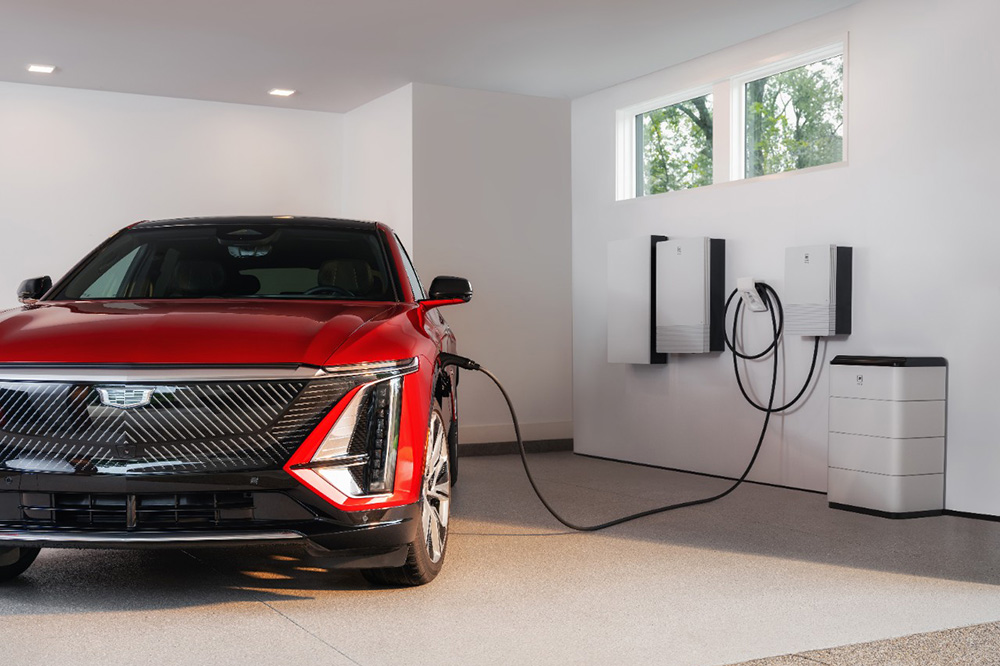
GM and PG&E Launch Incentive Package for Managed EV Charging Program
Pacific Gas and Electric (PG&E) and GM Energy have introduced an incentive package aimed at PG&E…
20h ago
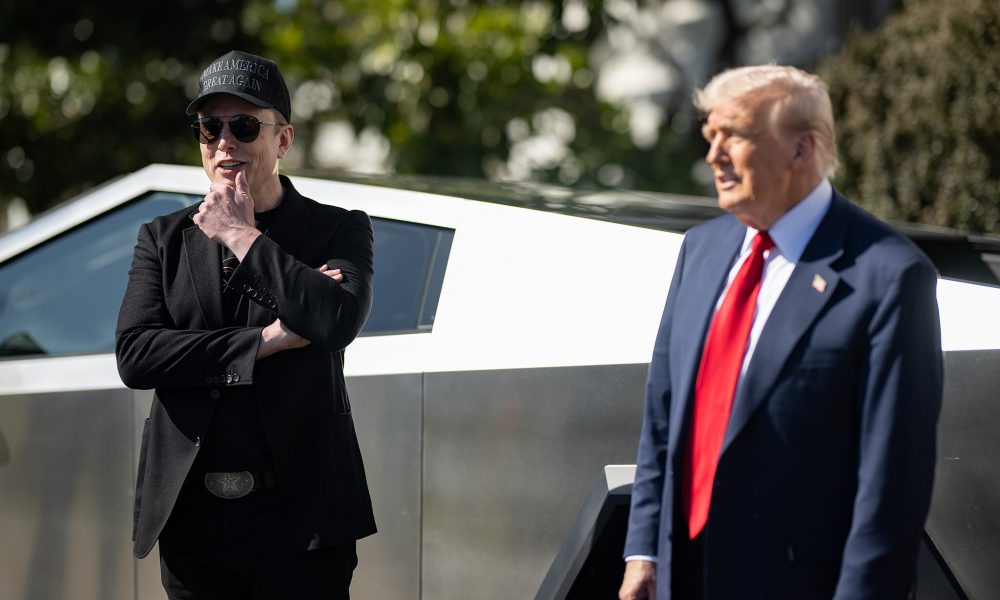
Trump to Award Elon Musk the National Medal of Science
Former President Donald Trump is set to award Elon Musk the National Medal of Science during a…
1d ago
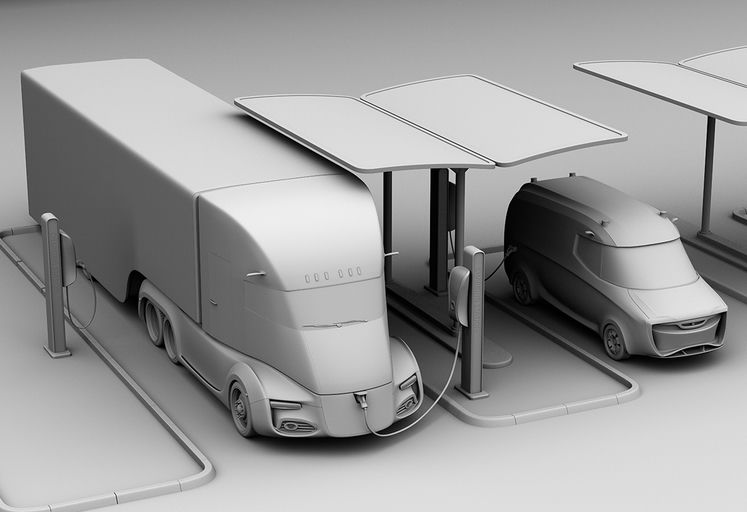
California Implements New Laws to Enhance EV Charging and Subsidies
California has enacted a series of new laws aimed at accelerating the transition to electric…
1d ago

South Africa Urged to Implement Special E-Mobility Tariffs for Fleet Operators
Calls have been made for South Africa to introduce special e-mobility tariffs aimed at supporting…
5d ago