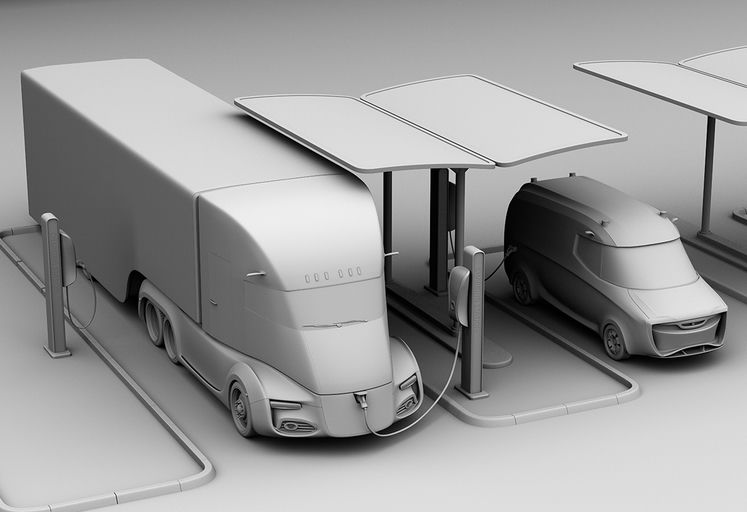
California Implements New Laws to Enhance EV Charging and Subsidies

Edited by Dash Coilwright
Incentives & Software
Updated October 7, 2026
3 min read
1 linked source
California has enacted a series of new laws aimed at accelerating the transition to electric vehicles (EVs) by streamlining EV charging projects, offering purchase subsidies, and promoting electric trucking. These initiatives are part of Governor Gavin Newsom's broader strategy to fill the gap left by federal policy changes. The MyFirstEV program is one of the key components, designed to assist first-time EV buyers.
Share this story
Why it matters
- ✓The MyFirstEV program will provide financial assistance to first-time EV buyers, potentially lowering the upfront cost of purchasing an electric vehicle.
- ✓Streamlined regulations for EV charging projects could lead to faster installation of charging infrastructure, improving access for current and prospective EV owners.
- ✓The promotion of electric trucking may enhance the availability of electric commercial vehicles, impacting businesses and logistics sectors.
California's New EV Legislation
California has recently taken significant steps to bolster its electric vehicle (EV) transition by enacting a comprehensive package of laws. These new regulations aim to streamline the development of EV charging infrastructure, provide financial incentives for purchasing electric vehicles, and promote the adoption of electric trucks. This legislative move comes as the federal government rolls back various programs supporting transport electrification, leaving a gap that California is now addressing.
What Changed
Governor Gavin Newsom has signed into law a series of initiatives designed to accelerate the state’s transition to electric vehicles. Among these is the MyFirstEV program, which offers purchase subsidies to first-time EV buyers. This program is particularly crucial as it aims to make electric vehicles more accessible to a broader audience, especially those who may have been deterred by the higher upfront costs typically associated with EVs.
In addition to the MyFirstEV program, the new laws also focus on streamlining the permitting process for EV charging projects. This change is expected to reduce bureaucratic hurdles that have historically delayed the installation of charging stations across the state. Furthermore, the legislation includes measures to promote electric trucking, which could lead to a significant shift in the commercial transportation sector.
Why It Matters for Buyers and Owners
These legislative changes are poised to have a substantial impact on both current and prospective EV owners:
- Financial Assistance: The MyFirstEV program will help reduce the financial burden on first-time buyers, making it easier for them to enter the EV market.
- Improved Charging Access: By streamlining the process for installing charging stations, California aims to enhance the availability of charging infrastructure, which is critical for the convenience of EV ownership.
- Commercial Opportunities: The promotion of electric trucks could open new avenues for businesses looking to transition their fleets to electric, potentially lowering operating costs in the long run.
Key Details from Source Material
According to Charged EVs, the new laws reflect California's commitment to maintaining its leadership in the EV space, especially as federal support diminishes. The MyFirstEV program is a response to the need for greater accessibility in the EV market, targeting those who may not have previously considered an electric vehicle due to cost concerns. The legislation also emphasizes the importance of expanding charging infrastructure, which is essential for supporting the growing number of electric vehicles on the road.
What to Watch Next
As these new laws begin to take effect, it will be important to monitor how quickly the MyFirstEV program is implemented and what specific financial incentives will be available to buyers. Additionally, the impact of streamlined charging project regulations on the speed and efficiency of charging station installations will be critical to watch. The response from the trucking industry to the promotion of electric vehicles will also be a key area to observe, as it could influence the future landscape of commercial transportation in California.
In summary, California's proactive approach to enhancing its EV ecosystem through these new laws represents a significant step forward in supporting the transition to electric vehicles, benefiting both individual consumers and the broader economy.
Sources
These are the documents and reports used to build this brief so readers can verify the story directly.
Reporting notes
EV Signal briefs are written to explain the verified change first, then add the context EV buyers and owners need to understand cost, availability, charging access, eligibility, or ownership impact.
If details are still developing, we try to say what is confirmed, what comes from secondary reporting, and what readers should verify before acting.
Source mix
1 linked source
1 media
Reviewed from: Charged EVs.
Comments
Log in with
Loading comments…
More in Incentives

South Africa Urged to Implement Special E-Mobility Tariffs for Fleet Operators
Calls have been made for South Africa to introduce special e-mobility tariffs aimed at supporting…
3d ago
Kia Offers Up to $10,000 Off Select EVs as New Models Arrive
Kia is providing significant discounts of up to $10,000 on select electric vehicles (EVs) as the…
4d ago
Quebec Parties Present Divergent EV Strategies Ahead of Election
Ahead of the upcoming election, five major political parties in Quebec have unveiled differing…
5d ago

Germany Allows Parked EVs to Sell Power Back to the Grid
Germany is implementing a new policy that enables electric vehicle (EV) owners to sell electricity…
5d ago