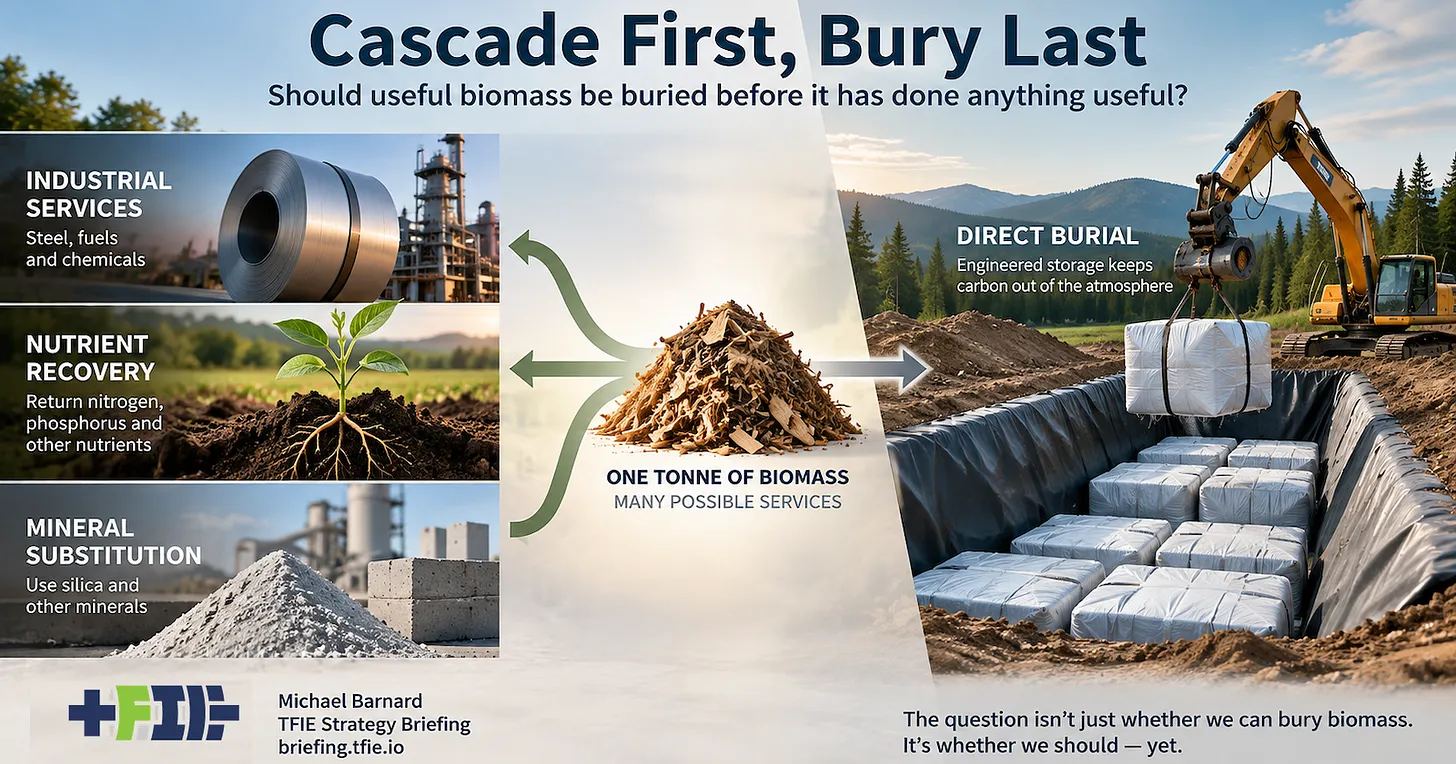
Graphyte's Carbon Casting Process: A New Approach to Carbon Removal

Edited by Ionna Brakeley
Charging & Ownership
Updated October 12, 2026
3 min read
1 linked source
Graphyte has introduced a Carbon Casting process that involves burying residual biomass to store carbon underground, potentially offering a long-term solution for carbon removal. This innovative method could impact various industries, including those related to electric vehicles, by providing a sustainable way to manage carbon emissions. However, the effectiveness and scalability of this process remain to be fully assessed.
Share this story
Why it matters
- ✓If successful, Graphyte's method could contribute to reducing overall carbon emissions, indirectly benefiting the EV market by promoting a cleaner environment.
- ✓The technology may influence regulatory frameworks and incentives for carbon management, potentially affecting the costs associated with EV ownership.
- ✓As the technology develops, it could lead to new partnerships between biomass producers and EV manufacturers, enhancing sustainability efforts.
Graphyte's Carbon Casting Process: A New Approach to Carbon Removal
Graphyte has unveiled a novel Carbon Casting process that aims to bury residual biomass underground, effectively storing carbon and preventing it from entering the atmosphere. This method represents a tangible advancement in engineered carbon removal, which could have significant implications for various sectors, including electric vehicles (EVs).
What Changed
Graphyte's Carbon Casting process involves drying and compressing residual biomass into dense blocks, which are then protected from water and microbes before being stored underground. This approach is designed to ensure that the carbon contained in the biomass remains sequestered for an extended period. Compared to other carbon removal strategies, such as direct air capture, Graphyte's method offers a more straightforward and potentially scalable solution.
Why It Matters for Buyers/Owners
The introduction of Graphyte's Carbon Casting process could have several implications for EV buyers and owners:
- Environmental Impact: If Graphyte's method proves effective, it could help reduce overall carbon emissions, contributing to a cleaner environment that benefits EV users.
- Regulatory Changes: The success of this technology may influence future regulations and incentives related to carbon management, which could affect the costs associated with owning and operating EVs.
- Industry Partnerships: As the technology matures, there may be opportunities for collaboration between biomass producers and EV manufacturers, fostering a more sustainable ecosystem.
Key Details from Source Material
According to CleanTechnica, Graphyte's process is unique in its approach to carbon removal. By utilizing residual biomass, the company aims to create a sustainable method of carbon storage that could complement existing carbon management strategies. The process involves several steps:
- Drying: Residual biomass is dried to remove moisture, which is crucial for preventing decomposition.
- Compression: The dried biomass is then compressed into dense blocks, making it easier to store and transport.
- Protection: These blocks are treated to protect them from water and microbial activity, ensuring that the carbon remains sequestered.
- Storage: Finally, the compressed blocks are stored underground, where they can remain for an extended period, effectively keeping the carbon out of the atmosphere.
While this method shows promise, the article does not provide specific data on its effectiveness or scalability, leaving some uncertainty about its potential impact on the EV market and broader carbon management efforts.
What to Watch Next
As Graphyte continues to develop its Carbon Casting process, it will be important to monitor:
- Effectiveness Studies: Future research and studies that assess the long-term effectiveness of this carbon storage method.
- Regulatory Developments: Changes in regulations that may arise as a result of advancements in carbon management technologies.
- Industry Adoption: How the EV industry responds to this technology and whether partnerships emerge between biomass producers and EV manufacturers.
In conclusion, Graphyte's Carbon Casting process represents an innovative approach to carbon removal that could have far-reaching implications for sustainability and the electric vehicle market. However, further research and development are needed to fully understand its potential and limitations.
Sources
These are the documents and reports used to build this brief so readers can verify the story directly.
- Graphyte Can Bury Carbon. Should It Bury Biomass? — CleanTechnicaMEDIA
Reporting notes
EV Signal briefs are written to explain the verified change first, then add the context EV buyers and owners need to understand cost, availability, charging access, eligibility, or ownership impact.
If details are still developing, we try to say what is confirmed, what comes from secondary reporting, and what readers should verify before acting.
Source mix
1 linked source
1 media
Reviewed from: CleanTechnica.
Comments
Log in with
Loading comments…
More in Ownership
Food Waste Diversion Policies Could Generate Billions in Economic Benefits
Implementing comprehensive food waste diversion policies could create thousands of jobs and…
2h ago

Concerns Raised Over the Bipartisan American Affordability and Jobs Act of 2026
The Bipartisan American Affordability and Jobs Act of 2026 has sparked debate regarding its…
2h ago

Over 1 Million Comments Submitted Against Roadless Rule Rollback
The Sierra Club and its partners have announced that over one million public comments were…
2h ago
EPA Plans to Roll Back Methane Pollution Safeguards
The U.S. Environmental Protection Agency (EPA) is set to roll back methane pollution safeguards…
2h ago