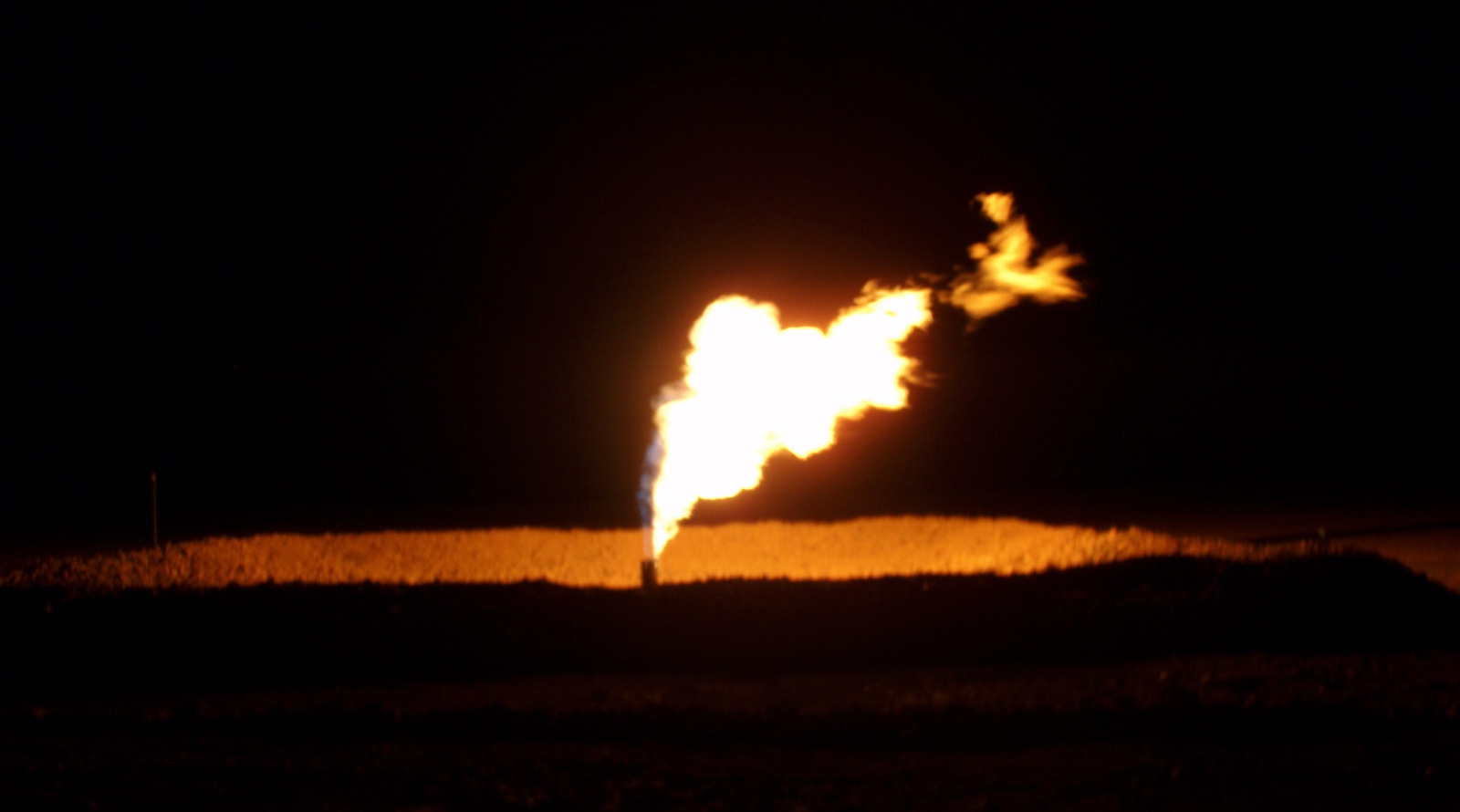
EPA Plans to Roll Back Methane Pollution Safeguards

Edited by Ionna Brakeley
Charging & Ownership
Updated October 12, 2026
3 min read
1 linked source
The U.S. Environmental Protection Agency (EPA) is set to roll back methane pollution safeguards that were finalized in 2024. This decision, announced by EPA Administrator Lee Zeldin in a closed-door meeting with the fossil fuel industry, could significantly impact emissions regulations. The rollback follows a delay in implementing these standards that began under the Trump administration.
Share this story
Why it matters
- ✓Potential increases in methane emissions may lead to higher overall greenhouse gas levels, affecting climate change efforts.
- ✓If emissions regulations weaken, it could influence the market dynamics for electric vehicles (EVs) as fossil fuel vehicles may become more competitive in pricing.
- ✓Changes in environmental regulations could impact federal and state incentives for EV buyers, potentially affecting the affordability of EV ownership.
EPA Plans to Roll Back Methane Pollution Safeguards
The U.S. Environmental Protection Agency (EPA) is preparing to roll back critical methane pollution safeguards that were finalized in 2024. This announcement was made by EPA Administrator Lee Zeldin during a closed-door meeting with representatives from the fossil fuel industry. The rollback comes after the Trump administration delayed the implementation of these standards for over a year, raising concerns about the future of methane emissions regulation in the United States.
What Changed
The EPA's decision to roll back these safeguards marks a significant shift in environmental policy, particularly concerning methane emissions. Methane is a potent greenhouse gas, and the original safeguards aimed to limit its release from oil and gas operations. The rollback could mean less stringent regulations on methane emissions, which may lead to increased pollution levels from the fossil fuel sector.
Why It Matters for Buyers and Owners
The implications of this rollback are multifaceted, especially for electric vehicle (EV) buyers and owners:
- Increased Emissions: A rise in methane emissions could contribute to higher overall greenhouse gas levels, complicating efforts to combat climate change. This could indirectly affect the EV market as consumers become more conscious of their environmental impact.
- Market Dynamics: If fossil fuel vehicles become more competitive due to relaxed emissions regulations, it may affect the pricing and demand for EVs. This could lead to a slower adoption rate for electric vehicles, impacting long-term ownership costs.
- Incentives at Risk: The rollback may influence federal and state incentives designed to promote EV adoption. If emissions standards are weakened, funding and support for EV buyers could diminish, affecting the affordability of electric vehicles.
Key Details from Source Material
According to CleanTechnica, the announcement of the rollback was made during a meeting that involved key stakeholders from the fossil fuel industry. The rollback of these safeguards is part of a broader trend of reducing environmental regulations that were put in place to combat climate change. The original standards aimed to significantly reduce methane emissions from oil and gas operations, which are known to be major contributors to greenhouse gas emissions.
What to Watch Next
As this situation develops, it will be essential to monitor how the EPA formalizes this rollback and the potential responses from environmental groups and the public. Additionally, keep an eye on how this decision may influence state-level regulations and incentives for electric vehicles. Stakeholders in the EV market should prepare for possible shifts in consumer behavior and market conditions as the implications of this policy change unfold.
Sources
These are the documents and reports used to build this brief so readers can verify the story directly.
- EPA Preparing to Roll Back Methane Pollution Safeguards — CleanTechnicaMEDIA
Reporting notes
EV Signal briefs are written to explain the verified change first, then add the context EV buyers and owners need to understand cost, availability, charging access, eligibility, or ownership impact.
If details are still developing, we try to say what is confirmed, what comes from secondary reporting, and what readers should verify before acting.
Source mix
1 linked source
1 media
Reviewed from: CleanTechnica.
Comments
Log in with
Loading comments…
More in Ownership

Food Waste Diversion Policies Could Generate Billions in Economic Benefits
Implementing comprehensive food waste diversion policies could create thousands of jobs and…
2h ago

Concerns Raised Over the Bipartisan American Affordability and Jobs Act of 2026
The Bipartisan American Affordability and Jobs Act of 2026 has sparked debate regarding its…
2h ago

Over 1 Million Comments Submitted Against Roadless Rule Rollback
The Sierra Club and its partners have announced that over one million public comments were…
2h ago

Hawaiʻi's LNG Transition Faces Costly Challenges
Hawaiʻi's strategy to use liquefied natural gas (LNG) as a transitional energy source is proving to…
2h ago