Fortescue Deploys KUKA Robots for 6 MW Charging Cable Handling
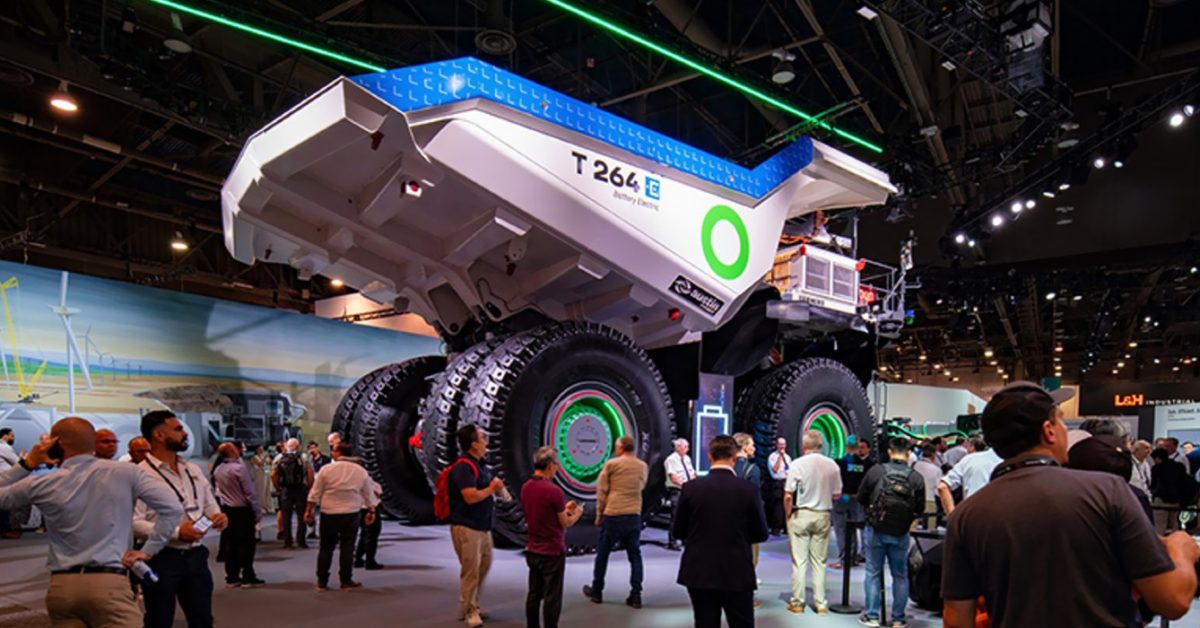
Fortescue is utilizing KUKA's advanced automotive assembly-line robots to manage the heavy-duty charging cables required for its electric haul trucks in Australia's Pilbara region. These robots are designed to handle the substantial 6 MW power demands of the trucks' batteries, addressing the challenges of working with cables that weigh up to 240 tonnes. This innovation highlights the ongoing evolution in the electric vehicle (EV) infrastructure needed to support large-scale electric mining operations.

Key takeaways
30-second read- 1The use of advanced robotics for charging infrastructure could lead to more efficient and reliable charging solutions for heavy-duty electric vehicles.
- 2As companies like Fortescue invest in EV technology, it may pave the way for improved charging access and capabilities for other sectors, including commercial and personal EVs.
- 3This development emphasizes the importance of robust charging solutions in the transition to electric vehicles, potentially influencing future investments in charging technology.
Confirmed
No official source linked yet
Reported
Secondary reporting: Electrek
Verify yourself
Eligibility, local prices and dates for your car, state or utility
Fortescue Deploys KUKA Robots for 6 MW Charging Cable Handling
Fortescue has announced the use of KUKA's specialized automotive assembly-line robots to manage the heavy-duty charging cables essential for powering its electric haul trucks. These trucks, which are part of Fortescue's operations in Australia's Pilbara region, require an impressive 6 MW of power to charge their batteries. The robots are specifically designed to handle the substantial weight of the charging cables, which can reach up to 240 tonnes.
What Changed
The introduction of KUKA's robots marks a significant shift in how Fortescue approaches the logistics of charging its electric haul trucks. Instead of relying on humanoid robots or manual labor, the company has opted for these powerful and modified robots that are more suited to the demands of heavy industrial applications. This change is crucial for ensuring that the trucks can operate efficiently in the challenging conditions of the mining environment.
Why It Matters for Buyers and Owners
-
Efficiency in Charging: The deployment of advanced robotics for handling charging cables could lead to more streamlined and efficient charging processes for heavy-duty electric vehicles, which is essential for industries relying on such vehicles.
-
Broader Implications for EV Infrastructure: As Fortescue invests in robust charging solutions, it may influence the development of similar technologies for commercial and personal electric vehicles, enhancing overall charging access and reliability.
-
Support for EV Transition: This innovation underscores the critical need for effective charging infrastructure as the world moves towards electric vehicles, potentially impacting future investments and advancements in charging technology across various sectors.
Key Details from Source Material
According to Electrek, Fortescue's decision to use KUKA robots stems from the need to manage the massive power requirements of its electric haul trucks. The robots are not only capable of handling the weight of the cables but are also designed to operate in the harsh conditions of the mining industry. This move highlights the ongoing evolution in electric vehicle infrastructure, particularly for heavy-duty applications.
What to Watch Next
As Fortescue continues to implement this technology, it will be important to monitor how effectively the KUKA robots improve the charging process for their electric haul trucks. Additionally, any developments in the broader implications of this technology for the electric vehicle market, particularly in other industries, should be observed. Future updates may provide insights into the operational efficiency gains and potential cost implications for electric vehicle owners and operators.
Buying guide: Best Portable EV Charger (2026): Level 1 and Level 2 Cables Explained
Sources
1 media- [1]Fortescue is using KUKA welding robots to handle 6 MW charging cables [video]Media
Electrek · electrek.co · published Oct 22
Newsletter
Weekly EV signal. No spam.
Comments
Log in with
Loading comments…