EV Sales in Europe Reach 29% of New Car Sales

Edited by Volta Kessrin
Models, Pricing & Buying
Updated September 26, 2026
3 min read
1 linked source
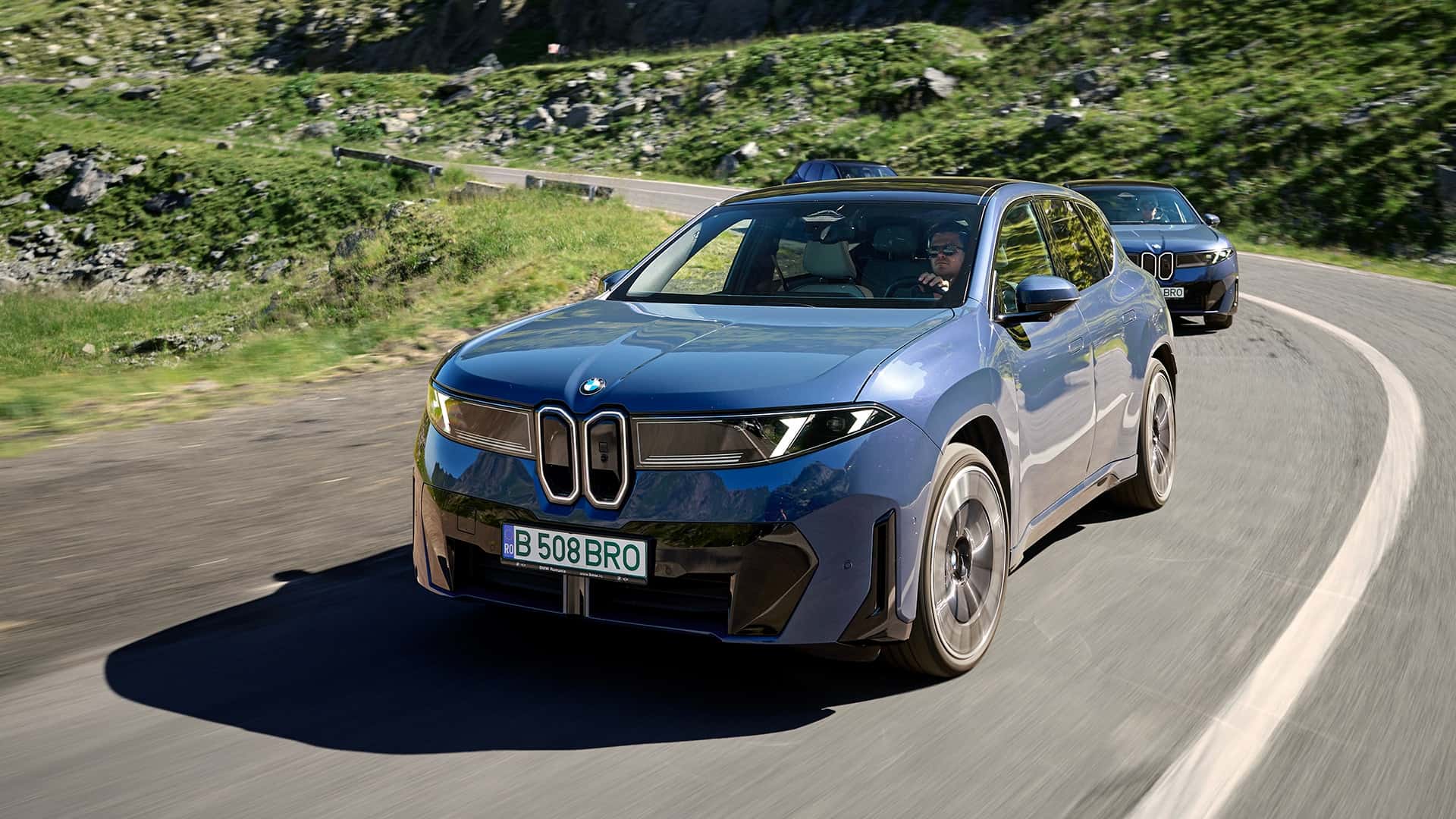
Electric vehicle (EV) sales in Europe have surged, now accounting for 29% of all new car sales. This significant increase reflects a growing trend towards electrification in the automotive market, impacting both buyers and the overall market landscape. However, the data does not specify the exact models or brands contributing to this growth.
Share this story
Why it matters
- ✓Increased EV sales may lead to more competitive pricing and options for consumers.
- ✓A higher market share could improve charging infrastructure as demand rises.
- ✓Potential changes in government incentives may arise as EVs become more mainstream.
EV Sales Surge in Europe
Electric vehicle (EV) sales in Europe have reached a remarkable milestone, now comprising 29% of all new car sales. This substantial increase highlights a significant shift in consumer preferences towards electric mobility, reflecting broader trends in sustainability and environmental consciousness.
What Changed?
According to a report from InsideEVs, the latest figures indicate that nearly one-third of all new cars sold in Europe are electric. This surge in sales is indicative of a growing acceptance and adoption of EV technology among consumers, driven by various factors including environmental concerns, government incentives, and advancements in EV technology.
Why It Matters for Buyers and Owners
The rise in EV sales in Europe has several implications for current and prospective EV buyers:
- Competitive Pricing and Options: As EVs make up a larger portion of the market, manufacturers may introduce more models at varying price points, increasing competition and potentially lowering costs for consumers.
- Improved Charging Infrastructure: A higher market share for EVs could lead to enhanced investment in charging infrastructure, making it easier for owners to charge their vehicles and reducing range anxiety.
- Changes in Incentives: As EVs become more mainstream, government policies and incentives may evolve, which could affect the financial landscape for buyers. This could include changes in tax credits, rebates, or other financial incentives aimed at promoting EV adoption.
Key Details from the Source Material
The data provided by InsideEVs underscores a significant trend in the automotive industry, with 29% of new car sales in Europe now being electric. While the report does not delve into specific brands or models driving this growth, it emphasizes the overall shift towards electrification. The increase in EV sales is likely influenced by a combination of factors, including stricter emissions regulations, growing consumer awareness of climate change, and advancements in battery technology that enhance the performance and range of electric vehicles.
What to Watch Next
As the EV market continues to evolve, it will be important to monitor several key developments:
- Brand and Model Performance: Future reports may provide insights into which manufacturers are leading the charge in EV sales and how their offerings are resonating with consumers.
- Government Policies: Keep an eye on any changes in government incentives or regulations that could impact EV adoption rates and the overall market dynamics.
- Infrastructure Developments: Watch for updates on charging infrastructure expansion, as this will be crucial for supporting the growing number of EVs on the road.
In conclusion, the surge in EV sales in Europe to 29% of new car sales marks a pivotal moment in the automotive industry. As consumers increasingly turn to electric vehicles, the implications for pricing, infrastructure, and policies will be significant, shaping the future of mobility in Europe.
Sources
These are the documents and reports used to build this brief so readers can verify the story directly.
- EV Sales Keep Surging In Europe, Now Make Up 29% Of New Car Sales — InsideEVsMEDIA
Reporting notes
EV Signal briefs are written to explain the verified change first, then add the context EV buyers and owners need to understand cost, availability, charging access, eligibility, or ownership impact.
If details are still developing, we try to say what is confirmed, what comes from secondary reporting, and what readers should verify before acting.
Source mix
1 linked source
1 media
Reviewed from: InsideEVs.
Comments
Log in with
Loading comments…
More in Buying

EV Adoption Faces Challenges Due to Aging Population
Recent insights reveal that while political affiliations show a surprising alignment in electric…
1h ago

Bluetti and Jackery Launch Early Prime Day Sales on Portable Power Stations
Bluetti has reduced the price of its 2,765Wh Apex 300 Portable Power Station to $1,424 as part of…
1h ago
Volkswagen ID.4 Prices Reduced by Up to $12,500 in the U.S.
Volkswagen has significantly reduced the prices of the ID.4 electric SUV in the United States, with…
1h ago
Tesla Semi Secures Largest Electric Truck Order in U.S. History
Tesla has landed a record order for 2,500 trucks, marking the largest electric truck deal in U.S.…
7h ago