
EV Adoption Faces Challenges Due to Aging Population

Edited by Volta Kessrin
Models, Pricing & Buying
Updated September 26, 2026
3 min read
1 linked source
Recent insights reveal that while political affiliations show a surprising alignment in electric vehicle (EV) buying intent, the primary obstacle to broader adoption lies with the aging Baby Boomer generation. This demographic is less inclined to purchase EVs, which could hinder the growth of the EV market despite favorable conditions among younger buyers.
Share this story
Why it matters
- ✓A significant portion of potential EV buyers are older, which may slow down market growth and innovation.
- ✓Younger generations, who are more open to EVs, may face challenges in influencing market trends if older buyers dominate sales.
- ✓The overall market dynamics could affect pricing and availability of EVs, impacting both current owners and prospective buyers.
EV Adoption Faces Challenges Due to Aging Population
Recent findings indicate that the electric vehicle (EV) market is grappling with an age-related issue that could significantly impact its growth trajectory. While political affiliations show a surprising alignment in EV buying intent, the Baby Boomer generation is proving to be a major hurdle in the widespread adoption of electric vehicles.
What Changed
According to a report from InsideEVs, both Republicans and Democrats exhibit similar levels of interest in purchasing EVs. However, the demographic that poses a challenge to this trend is the aging Baby Boomer population. This generation, which is less inclined to transition to electric vehicles, could impede the overall growth of the EV market, despite the enthusiasm among younger buyers.
Why It Matters for Buyers/Owners
The implications of this demographic trend are significant for current and prospective EV buyers and owners:
- Market Growth: If older generations dominate sales, the pace of EV adoption may slow, affecting market growth and innovation.
- Influence on Trends: Younger generations, who are generally more open to EV technology, may struggle to shift market trends if the purchasing power remains concentrated among older buyers.
- Pricing and Availability: A stagnant market could lead to fluctuations in pricing and availability of EVs, impacting both current owners and those considering a purchase.
Key Details from Source Material
The report emphasizes that the alignment in EV buying intent across political lines is a positive sign for the industry. However, the reluctance of Baby Boomers to embrace EV technology presents a unique challenge. This demographic's preferences and purchasing behaviors could significantly shape the future landscape of the EV market, potentially leading to a disconnect between supply and demand.
What to Watch Next
As the EV market continues to evolve, it will be crucial to monitor how demographic trends influence purchasing behaviors. Key areas to watch include:
- Market Strategies: How manufacturers adapt their marketing strategies to appeal to younger buyers while addressing the concerns of older generations.
- Policy Changes: Any potential policy initiatives aimed at incentivizing EV purchases among older demographics.
- Technological Advancements: Innovations that could make EVs more appealing to Baby Boomers, such as improved charging infrastructure and user-friendly technology.
In conclusion, while political consensus on EV adoption is a promising development, the age-related challenges posed by the Baby Boomer generation could significantly impact the future of electric vehicles. Stakeholders in the EV market must remain vigilant and responsive to these demographic dynamics to foster a more inclusive and robust EV ecosystem.
Sources
These are the documents and reports used to build this brief so readers can verify the story directly.
- Forget Politics. EVs Have An Age Problem — InsideEVsMEDIA
Reporting notes
EV Signal briefs are written to explain the verified change first, then add the context EV buyers and owners need to understand cost, availability, charging access, eligibility, or ownership impact.
If details are still developing, we try to say what is confirmed, what comes from secondary reporting, and what readers should verify before acting.
Source mix
1 linked source
1 media
Reviewed from: InsideEVs.
Comments
Log in with
Loading comments…
More in Buying
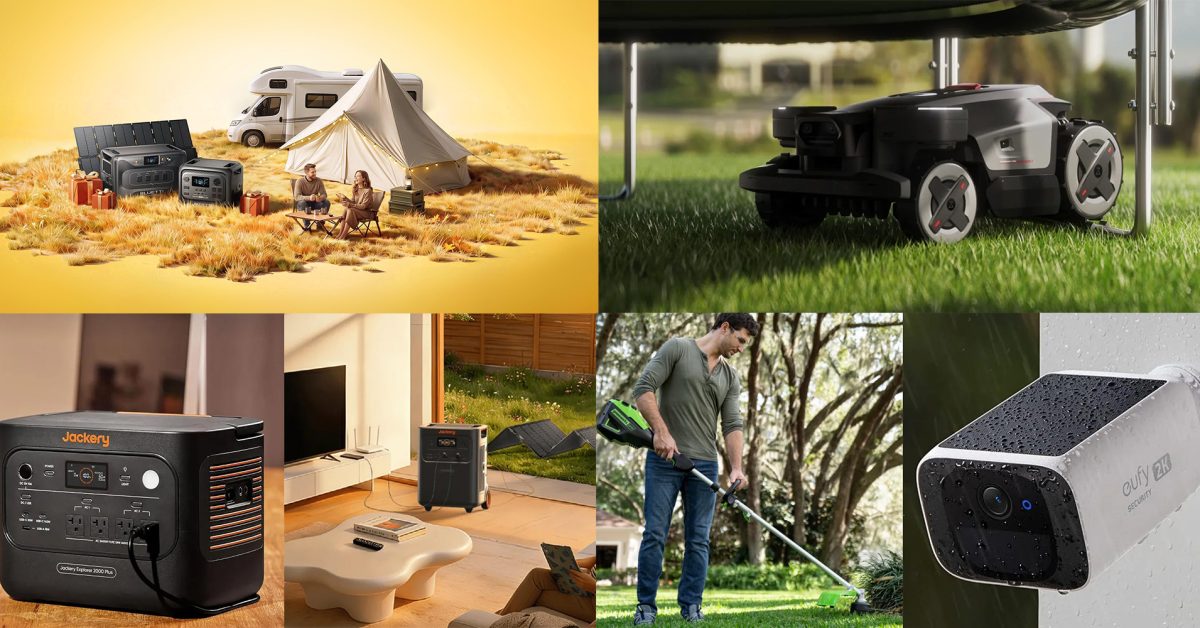
Bluetti and Jackery Launch Early Prime Day Sales on Portable Power Stations
Bluetti has reduced the price of its 2,765Wh Apex 300 Portable Power Station to $1,424 as part of…
1h ago
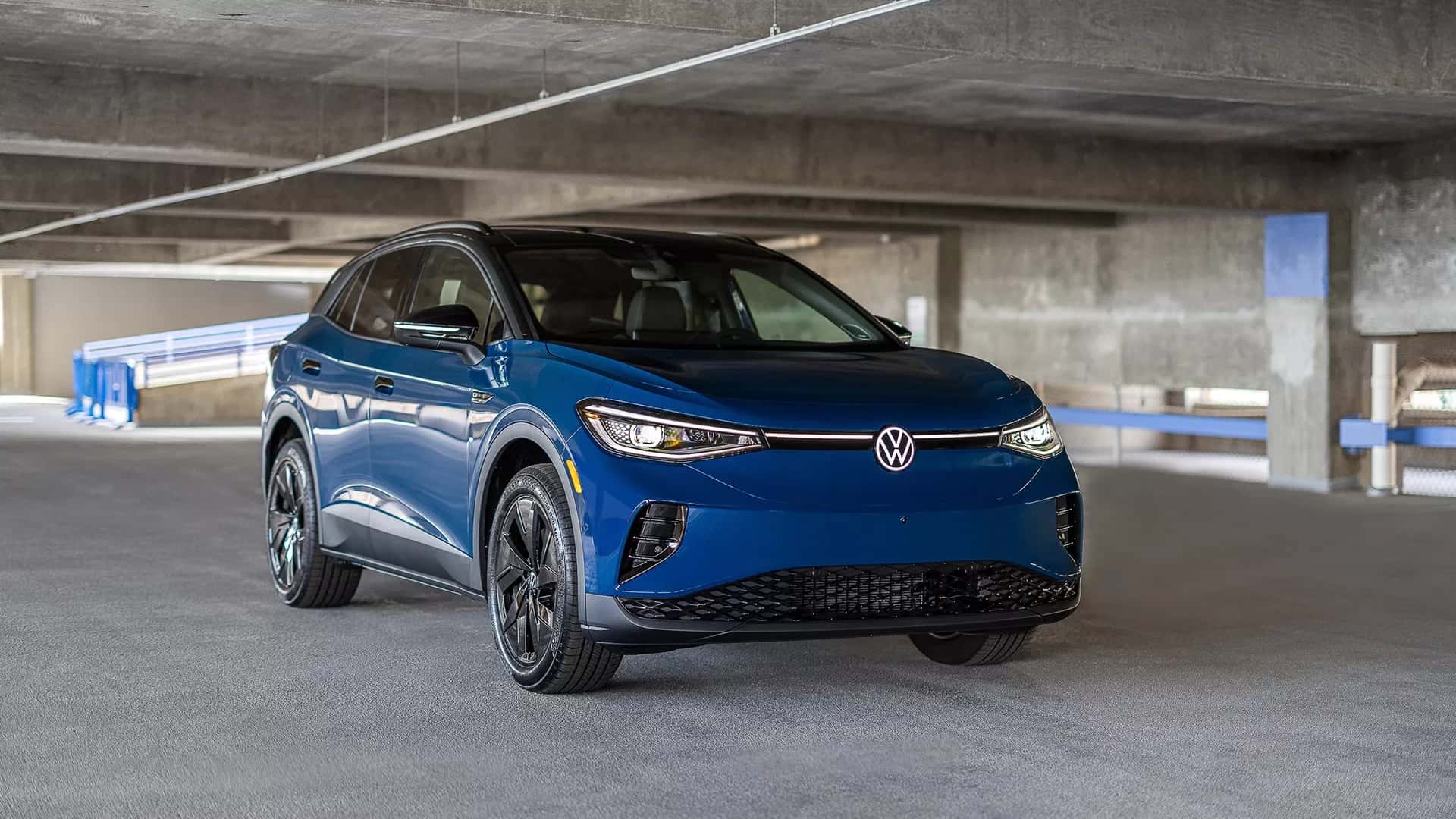
Volkswagen ID.4 Prices Reduced by Up to $12,500 in the U.S.
Volkswagen has significantly reduced the prices of the ID.4 electric SUV in the United States, with…
1h ago
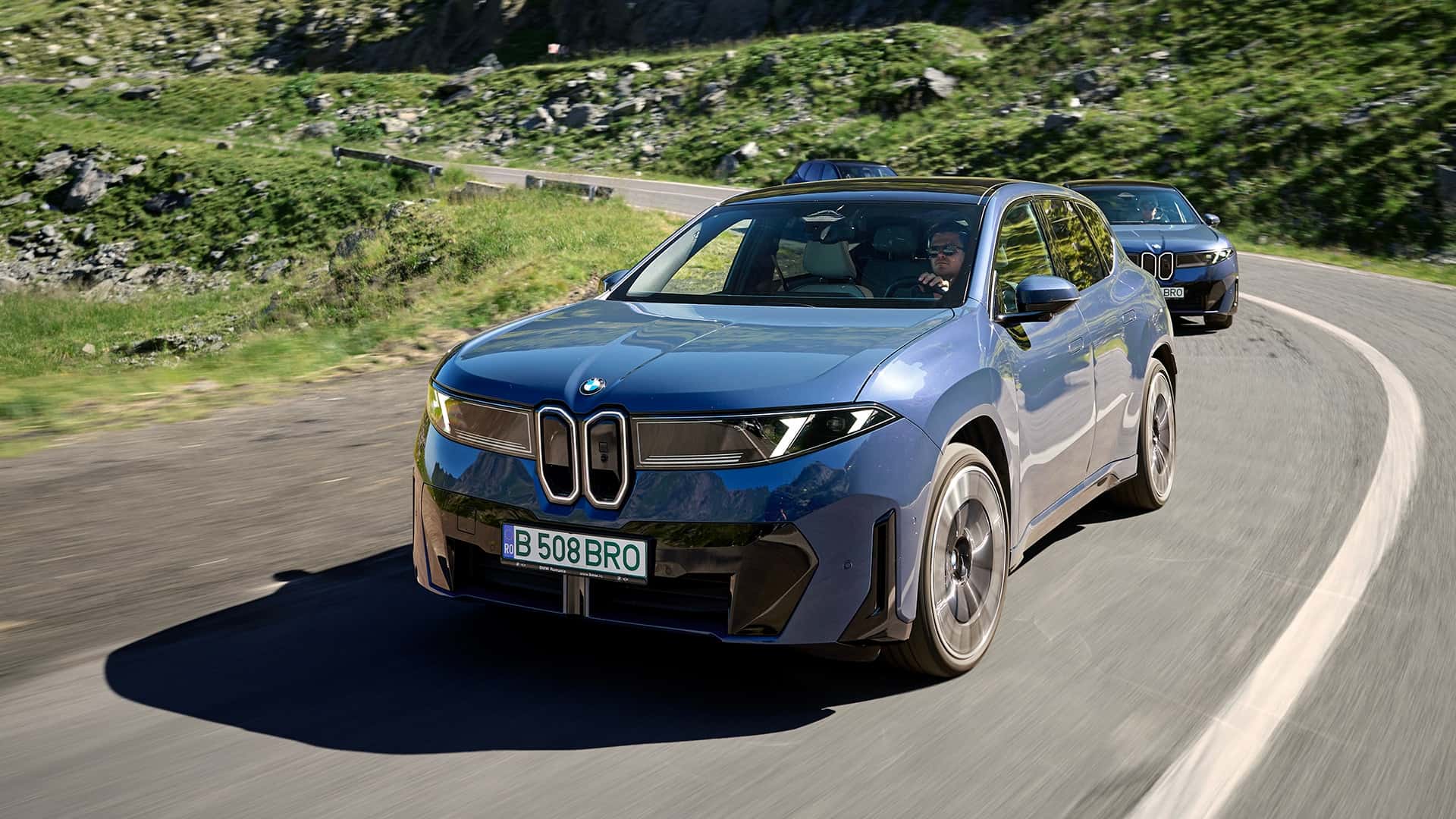
EV Sales in Europe Reach 29% of New Car Sales
Electric vehicle (EV) sales in Europe have surged, now accounting for 29% of all new car sales.…
1h ago
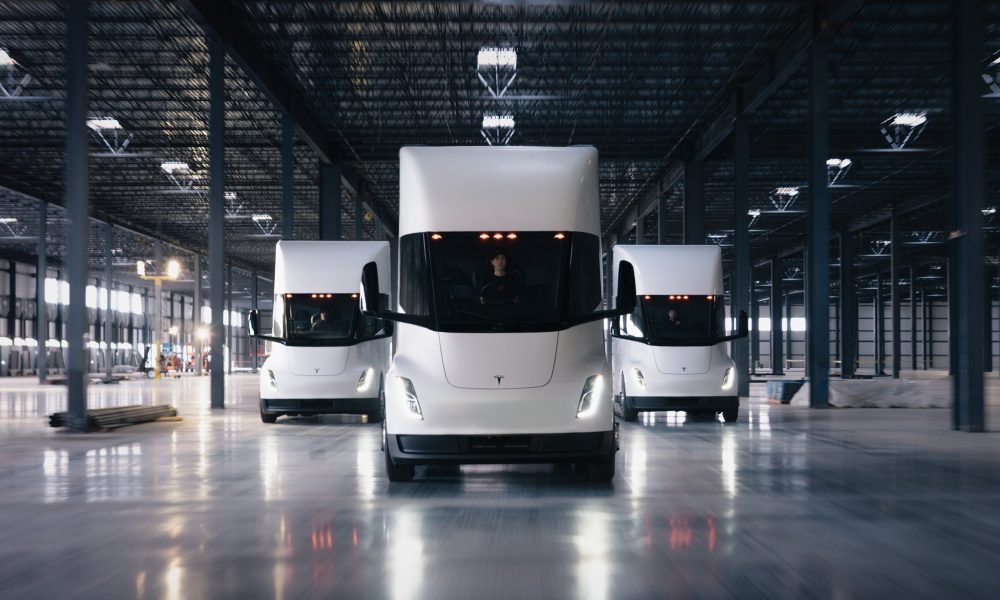
Tesla Semi Secures Largest Electric Truck Order in U.S. History
Tesla has landed a record order for 2,500 trucks, marking the largest electric truck deal in U.S.…
7h ago