EV Sales Decline After Tax Credit Expiration, Market Adjusts
The electric vehicle (EV) market has experienced a significant decline in sales following the expiration of federal tax credits, which ended for vehicles acquired after September 30, 2025. This change affects potential buyers and current owners as they navigate a shifting landscape of pricing and availability. While the market is down, experts suggest that EVs are not out of the game yet.

Key takeaways
30-second read- 1Potential buyers may face higher prices for EVs without the incentive of tax credits, impacting affordability.
- 2Current EV owners may see changes in resale values as the market adjusts to the absence of tax incentives.
- 3Charging infrastructure and availability may become more critical as demand fluctuates.
Confirmed
No official source linked yet
Reported
Secondary reporting: InsideEVs
Verify yourself
Eligibility, local prices and dates for your car, state or utility
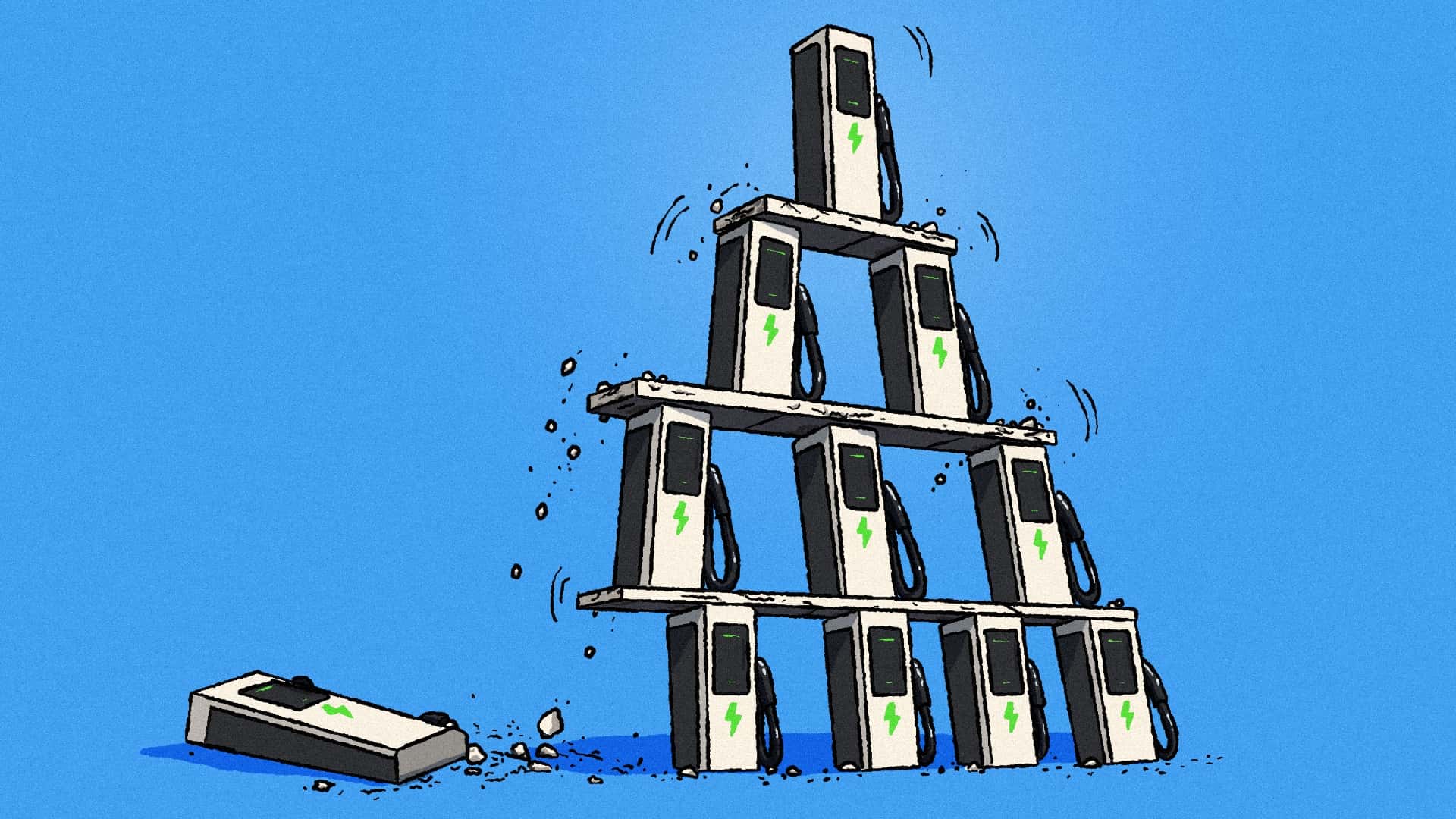
EV Sales Decline After Tax Credit Expiration
The electric vehicle (EV) market has seen a noticeable decline in sales following the expiration of federal tax credits, which ended for vehicles acquired after September 30, 2025. This significant change has raised concerns among potential buyers and current owners, as the absence of these incentives may lead to increased prices and altered market dynamics.
What Changed
According to a report from InsideEVs, the EV market has faced challenges over the past year, particularly after the discontinuation of tax credits that previously encouraged consumers to purchase electric vehicles. The tax credits provided a financial incentive that made EVs more accessible and appealing to a broader audience. With these credits no longer available, sales have dropped, indicating a potential cooling in the market.
Why It Matters for Buyers and Owners
The decline in EV sales has several implications for both potential buyers and current owners:
- Higher Prices: Without tax credits, buyers may encounter higher upfront costs for EVs, making them less affordable compared to traditional vehicles.
- Resale Values: Current EV owners might see fluctuations in the resale market as demand adjusts to the new pricing landscape, potentially impacting their investment.
- Charging Infrastructure: As the market stabilizes, the need for robust charging infrastructure becomes even more critical. Buyers will need to consider charging access and availability as they weigh their options.
Key Details from Source Material
InsideEVs highlights that despite the downturn in sales, the EV market is not entirely out of the picture. Manufacturers are adapting to the new environment, and there is still interest in electric vehicles. The report suggests that while the immediate effects of the tax credit expiration are felt, the long-term outlook for EVs remains cautiously optimistic as the industry continues to innovate and evolve.
What to Watch Next
As the market adjusts to the absence of tax credits, it will be essential to monitor how manufacturers respond to changing consumer demands and pricing pressures. Additionally, developments in charging infrastructure and potential new incentives at the state or local level could influence the market landscape. Buyers and owners should stay informed about these changes as they navigate the evolving EV landscape.
Sources
1 media- [1]After A Year Without Tax Credits, EVs Are Down But Not OutMedia
InsideEVs · insideevs.com · published Oct 31
Newsletter
Weekly EV signal. No spam.
Comments
Log in with
Loading comments…