
Europe's Commitment to a Local Battery Value Chain Under Scrutiny

Edited by Ionna Brakeley
Charging & Ownership
Updated October 2, 2026
3 min read
1 linked source
The European Union is intensifying efforts to establish a robust battery value chain within Europe, following significant investments from local companies. This initiative aims to enhance Europe's resilience in the face of global supply chain challenges. However, the effectiveness of these efforts remains uncertain as stakeholders await concrete outcomes.
Share this story
Why it matters
- ✓A strong local battery supply chain could stabilize prices for EV batteries, potentially lowering overall vehicle costs.
- ✓Improved battery production in Europe may lead to better availability of EVs, reducing wait times for buyers.
- ✓Local production could enhance charging infrastructure development, making it easier for owners to access reliable charging options.
Europe's Commitment to a Local Battery Value Chain Under Scrutiny
The European Union is ramping up its efforts to create a sustainable and self-sufficient battery value chain within its borders. This initiative comes in response to the growing need for resilience against global supply chain disruptions, particularly in the electric vehicle (EV) sector. As of 2021, European companies have invested billions into this endeavor, driven by promises from EU leaders about the critical importance of local manufacturing for the continent's future.
What Changed
The EU's focus on establishing a local battery value chain is a significant shift in strategy aimed at reducing reliance on external suppliers, particularly from Asia. This change is not merely a policy statement; it reflects a broader commitment to ensuring that Europe can produce its own batteries for EVs, which are essential for the transition to sustainable transportation. However, the actual implementation and success of these initiatives are still in question, as stakeholders are waiting for tangible results from these investments.
Why It Matters for Buyers and Owners
-
Price Stability: A robust local battery supply chain could help stabilize prices for EV batteries, which are a major component of overall vehicle costs. If production can be maintained within Europe, it may mitigate the impact of global market fluctuations.
-
Availability of EVs: With local production, the availability of EVs could improve, potentially reducing wait times for consumers eager to purchase electric vehicles. This could also lead to a wider variety of models being offered in the European market.
-
Enhanced Charging Infrastructure: As battery production ramps up, there may be a corresponding increase in the development of charging infrastructure, making it easier for EV owners to find reliable charging options. This could alleviate one of the major concerns for potential EV buyers.
Key Details from Source Material
According to CleanTechnica, the EU's commitment to developing a European battery value chain is part of a broader strategy to enhance the continent's economic resilience. The investments made by European companies are based on the understanding that local manufacturing is essential for future sustainability. However, the article emphasizes that while the plans are ambitious, the actual outcomes remain uncertain, and stakeholders are closely monitoring the situation.
What to Watch Next
As developments unfold, it will be crucial to monitor the progress of these initiatives. Key indicators to watch include:
- Investment Outcomes: Are the billions invested by European companies yielding tangible results in battery production?
- Policy Changes: Will there be any new regulations or incentives introduced to support local manufacturing?
- Market Response: How will consumers react to the availability and pricing of locally produced EVs as the battery supply chain develops?
In summary, while the EU's efforts to establish a local battery value chain are promising, the effectiveness of these initiatives will ultimately determine their impact on EV buyers and owners across Europe.
Sources
These are the documents and reports used to build this brief so readers can verify the story directly.
- The Litmus Test for “Made in Europe” — CleanTechnicaMEDIA
Reporting notes
EV Signal briefs are written to explain the verified change first, then add the context EV buyers and owners need to understand cost, availability, charging access, eligibility, or ownership impact.
If details are still developing, we try to say what is confirmed, what comes from secondary reporting, and what readers should verify before acting.
Source mix
1 linked source
1 media
Reviewed from: CleanTechnica.
Comments
Log in with
Loading comments…
More in Ownership
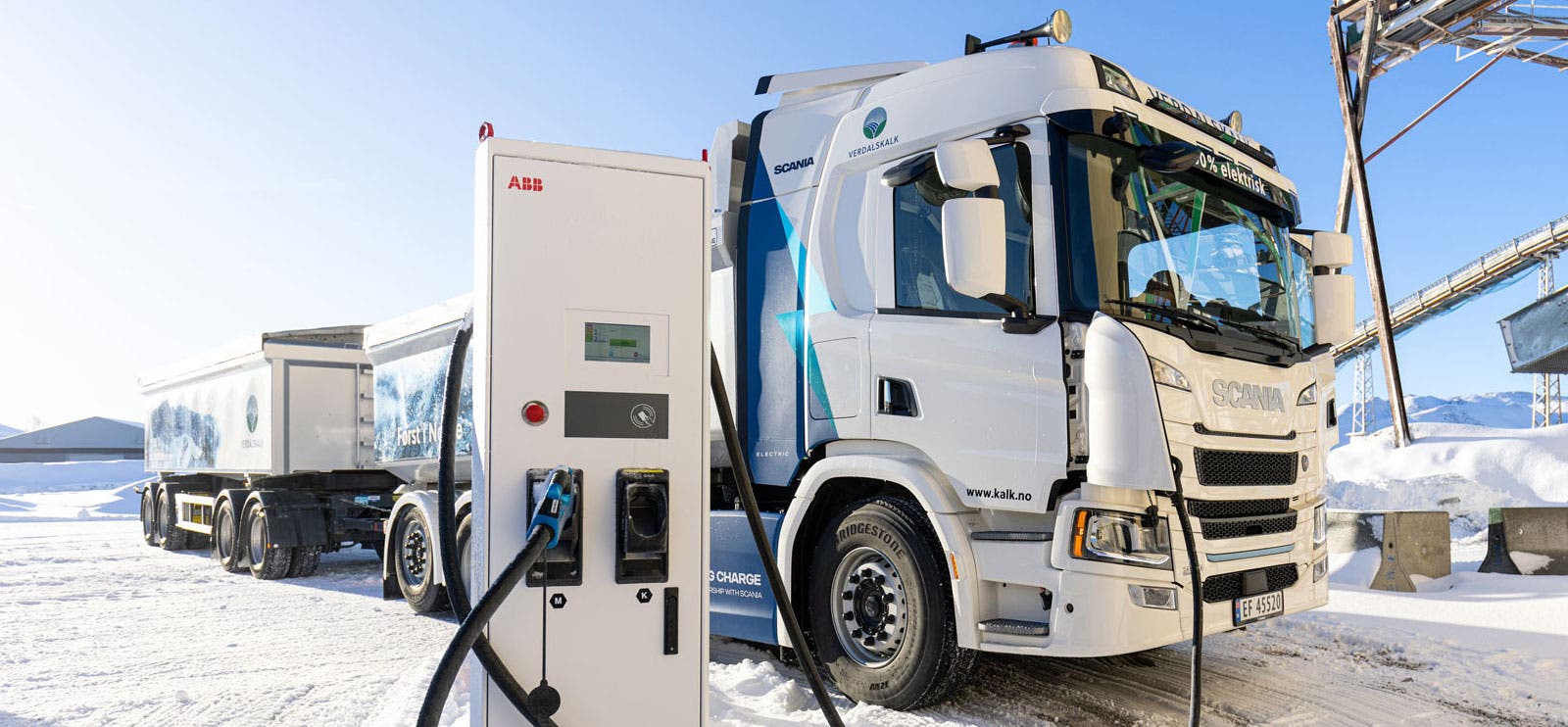
European Businesses Urge EU to Uphold CO2 Standards for Heavy-Duty Vehicles
European businesses in the transport sector have called on the European Union to maintain its…
3h ago

Santee Cooper's Energy Plan Raises Costs for South Carolina Customers
Santee Cooper's new long-range energy plan indicates that rising demand from large customers, such…
3h ago

California Enacts Fines for Robotaxi Operators Blocking First Responders
A new law in California imposes fines on robotaxi operators who obstruct first responders. This…
3h ago
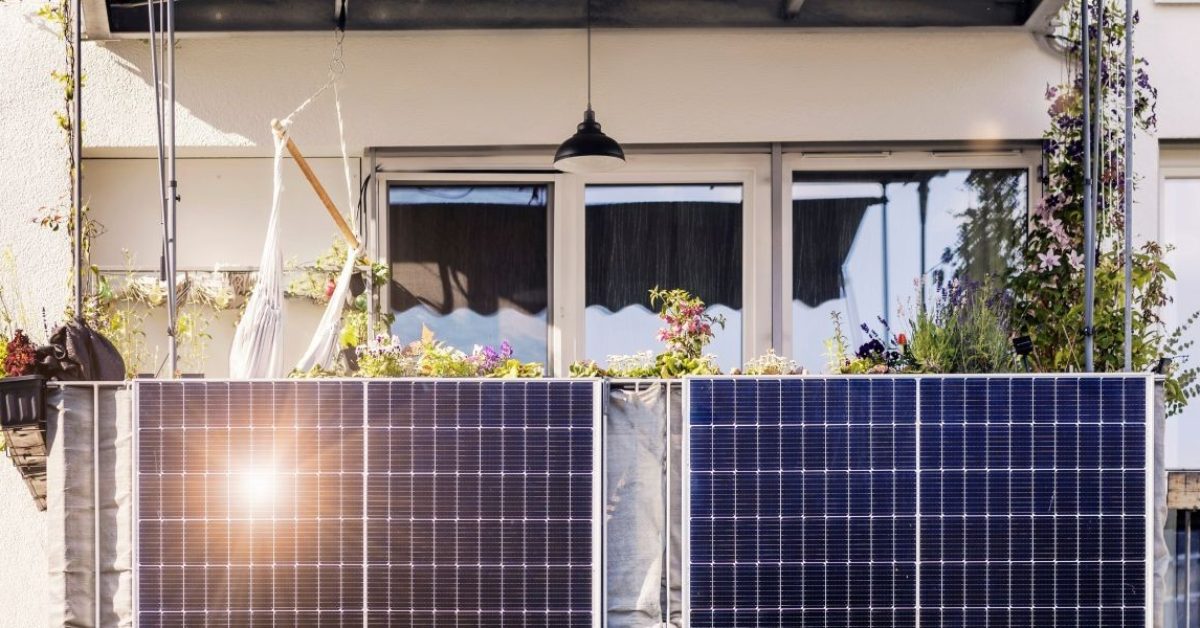
California Approves Balcony Solar for Residents Without Rooftop Access
California has officially legalized balcony solar installations, allowing residents who cannot…
9h ago