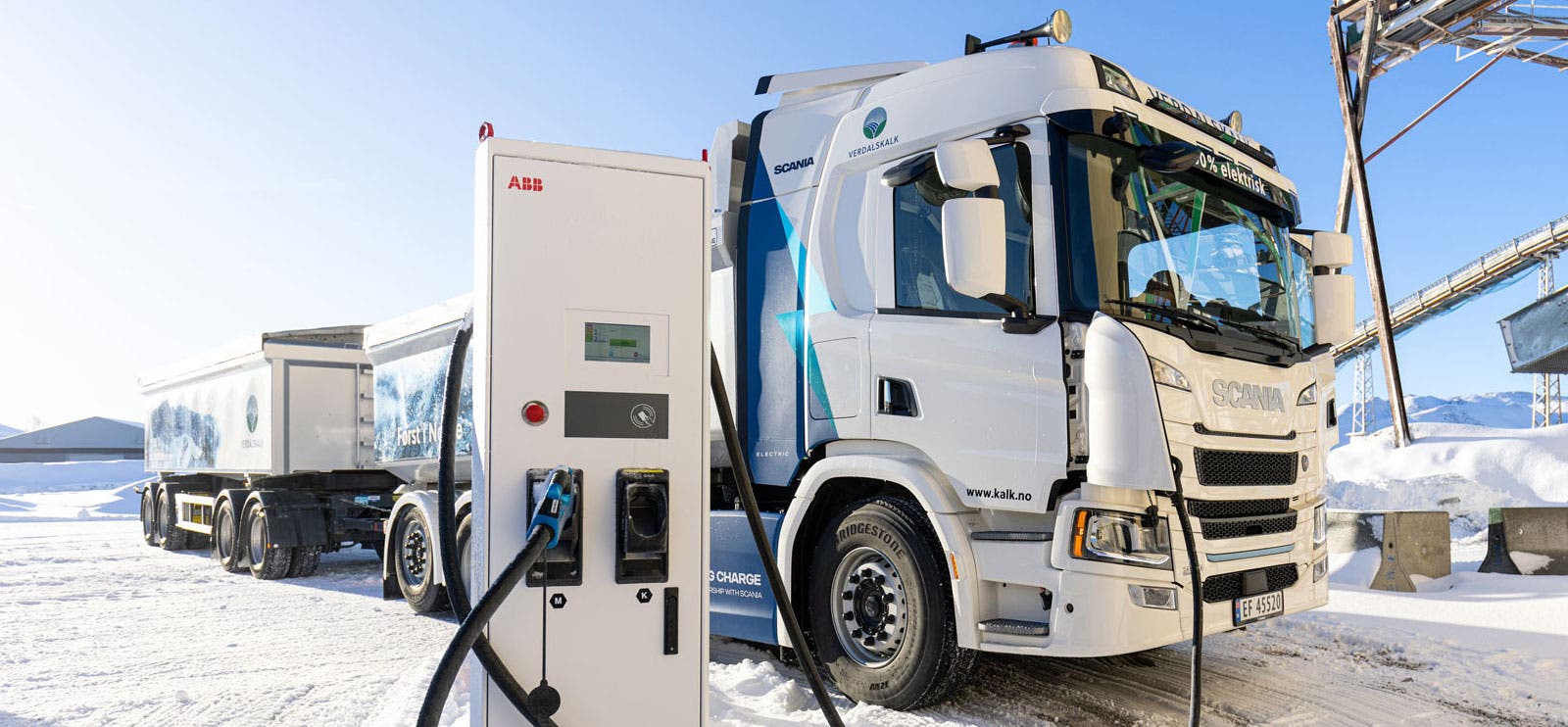
European Businesses Urge EU to Uphold CO2 Standards for Heavy-Duty Vehicles

Edited by Ionna Brakeley
Charging & Ownership
Updated October 2, 2026
3 min read
1 linked source
European businesses in the transport sector have called on the European Union to maintain its ambitious CO2 standards for heavy-duty vehicles (HDVs). This appeal comes amid concerns that weakening these standards could undermine efforts to decarbonize the sector. The letter was addressed to key EU officials, including President Ursula von der Leyen.
Share this story
Why it matters
- ✓Maintaining stringent CO2 standards could accelerate the transition to electric heavy-duty vehicles, potentially increasing availability for buyers.
- ✓Stronger regulations may lead to improved charging infrastructure and lower ownership costs in the long run as the market adapts to electric HDVs.
- ✓A commitment to decarbonization could enhance the resale value of electric vehicles by ensuring a robust market for them.
European Businesses Urge EU to Uphold CO2 Standards for Heavy-Duty Vehicles
European businesses in the transport sector have recently expressed their strong desire for the European Union to maintain its ambitious CO2 standards for heavy-duty vehicles (HDVs). In a letter addressed to key EU officials, including President Ursula von der Leyen, these businesses emphasized the importance of not weakening the current regulations that govern emissions from trucks and other heavy-duty vehicles.
What Changed
The core message from the letter is a plea for the EU to uphold its commitment to decarbonizing the transport sector by maintaining stringent CO2 standards. This comes at a time when there are concerns that potential revisions to these standards could lead to a rollback in the progress made towards reducing emissions from HDVs. The businesses involved are committed to the transition towards electric vehicles and see the existing standards as crucial for driving innovation and investment in cleaner technologies.
Why It Matters for Buyers and Owners
-
Transition to Electric Vehicles: Maintaining strong CO2 standards could accelerate the adoption of electric heavy-duty vehicles, making them more accessible to buyers in the market.
-
Infrastructure Development: A commitment to stringent regulations may lead to increased investment in charging infrastructure, which is essential for the practical use of electric HDVs.
-
Market Stability: Upholding these standards could enhance the resale value of electric vehicles, as a stable regulatory environment typically fosters a healthier market for used EVs.
Key Details from Source Material
The letter from European businesses highlights their commitment to the decarbonization of HDVs and urges the EU not to weaken CO2 standards for trucks. This call comes from a coalition of businesses and organizations that recognize the importance of regulatory stability in fostering innovation and investment in the sector. The letter reflects a broader sentiment among stakeholders in the transport industry that strong regulations are necessary to drive the transition to electric vehicles and achieve climate goals.
What to Watch Next
As this situation develops, it will be important to monitor the EU's response to the letter and any potential changes to the CO2 standards for heavy-duty vehicles. Stakeholders in the transport sector, including manufacturers and consumers, will be particularly interested in how these regulations evolve and what impact they may have on the market for electric vehicles. Additionally, any announcements regarding investments in charging infrastructure or incentives for electric HDVs could further influence the landscape for buyers and owners in the coming months.
Sources
These are the documents and reports used to build this brief so readers can verify the story directly.
Reporting notes
EV Signal briefs are written to explain the verified change first, then add the context EV buyers and owners need to understand cost, availability, charging access, eligibility, or ownership impact.
If details are still developing, we try to say what is confirmed, what comes from secondary reporting, and what readers should verify before acting.
Source mix
1 linked source
1 media
Reviewed from: CleanTechnica.
Comments
Log in with
Loading comments…
More in Ownership

Santee Cooper's Energy Plan Raises Costs for South Carolina Customers
Santee Cooper's new long-range energy plan indicates that rising demand from large customers, such…
3h ago

Europe's Commitment to a Local Battery Value Chain Under Scrutiny
The European Union is intensifying efforts to establish a robust battery value chain within Europe,…
3h ago

California Enacts Fines for Robotaxi Operators Blocking First Responders
A new law in California imposes fines on robotaxi operators who obstruct first responders. This…
3h ago
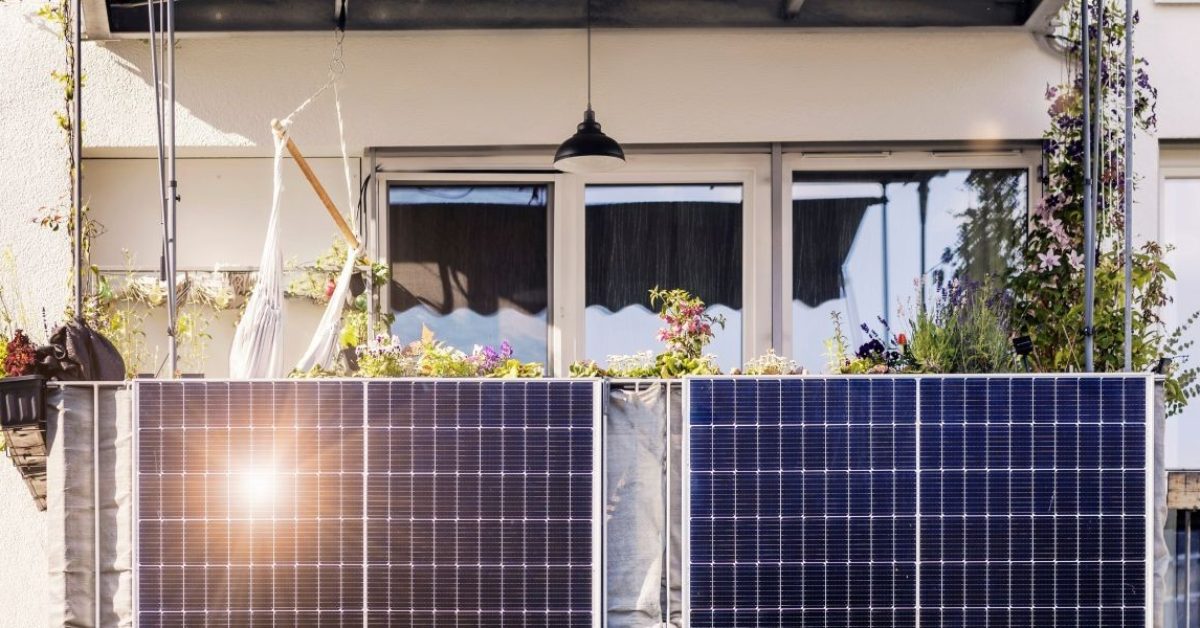
California Approves Balcony Solar for Residents Without Rooftop Access
California has officially legalized balcony solar installations, allowing residents who cannot…
9h ago