Dunsky Leads National Alliance for Vehicle-Grid Integration in Canada
Dunsky, a clean energy consultancy, has formed a national alliance with utilities, governments, and an automaker to enhance vehicle-grid integration in Canada. This initiative aims to transform electric vehicles (EVs) into valuable resources for the country's power grid, although specific details on implementation and benefits for EV owners are still emerging.

Key takeaways
30-second read- 1Potential for EV owners to contribute to the power grid, possibly lowering energy costs.
- 2Increased charging access and infrastructure improvements could enhance the EV ownership experience.
- 3Collaboration with utilities may lead to new incentives or programs for EV buyers.
Confirmed
No official source linked yet
Reported
Secondary reporting: Electric Autonomy Canada
Verify yourself
Eligibility, local prices and dates for your car, state or utility
Dunsky Leads National Alliance for Vehicle-Grid Integration in Canada
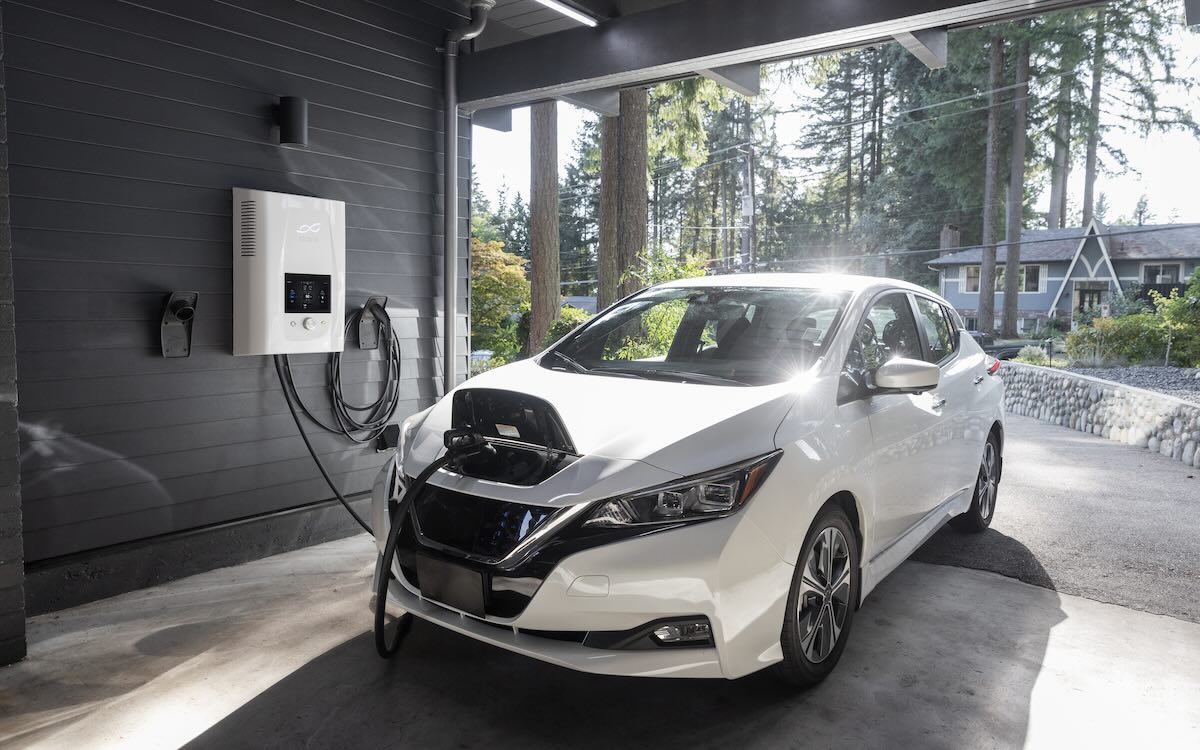
Dunsky, a clean energy consultancy, is spearheading a national alliance focused on vehicle-grid integration in Canada. This initiative involves collaboration with various stakeholders, including utilities, government entities, and an automaker, to leverage electric vehicles (EVs) as resources for the power grid. The goal is to enhance the efficiency and sustainability of energy use across the country.
What Changed
The formation of this alliance marks a significant step towards integrating EVs into Canada’s energy infrastructure. By turning EVs into grid resources, the project aims to optimize energy distribution and potentially reduce costs for consumers. However, the specific mechanisms of how this integration will work and the timeline for implementation are not yet detailed.
Why It Matters for Buyers and Owners
This initiative could have several implications for current and prospective EV owners:
- Cost Savings: If EVs can be utilized as energy resources, owners may benefit from reduced energy costs or incentives for participating in grid services.
- Enhanced Charging Access: The collaboration with utilities may lead to improved charging infrastructure, making it easier for EV owners to charge their vehicles conveniently.
- New Incentives: The alliance could pave the way for new programs or incentives aimed at encouraging EV adoption and usage, potentially making EV ownership more attractive.
Key Details from Source Material
According to Electric Autonomy Canada, the alliance is a response to the growing need for sustainable energy solutions as the demand for electricity continues to rise. By integrating EVs into the power grid, the project aims to create a more resilient and efficient energy system. While the potential benefits for EV owners are promising, the article does not provide specific details on how these changes will be implemented or what the timeline looks like.
What to Watch Next
As this initiative develops, stakeholders will be looking for updates on:
- Specific programs or incentives that may be introduced for EV owners.
- Details on how vehicle-grid integration will be implemented and the expected timeline for rollout.
- Feedback from utilities and government entities involved in the alliance regarding their plans and expectations.
In conclusion, while the formation of this national alliance is a positive step towards enhancing vehicle-grid integration in Canada, further details are needed to fully understand its implications for EV buyers and owners.
Buying guide: Best Level 2 Home EV Charger (2026): How to Choose
Sources
1 media- [1]Dunsky spearheads national alliance for vehicle-grid integrationMedia
Electric Autonomy Canada · electricautonomy.ca · published Oct 20
Newsletter
Weekly EV signal. No spam.
Comments
Log in with
Loading comments…