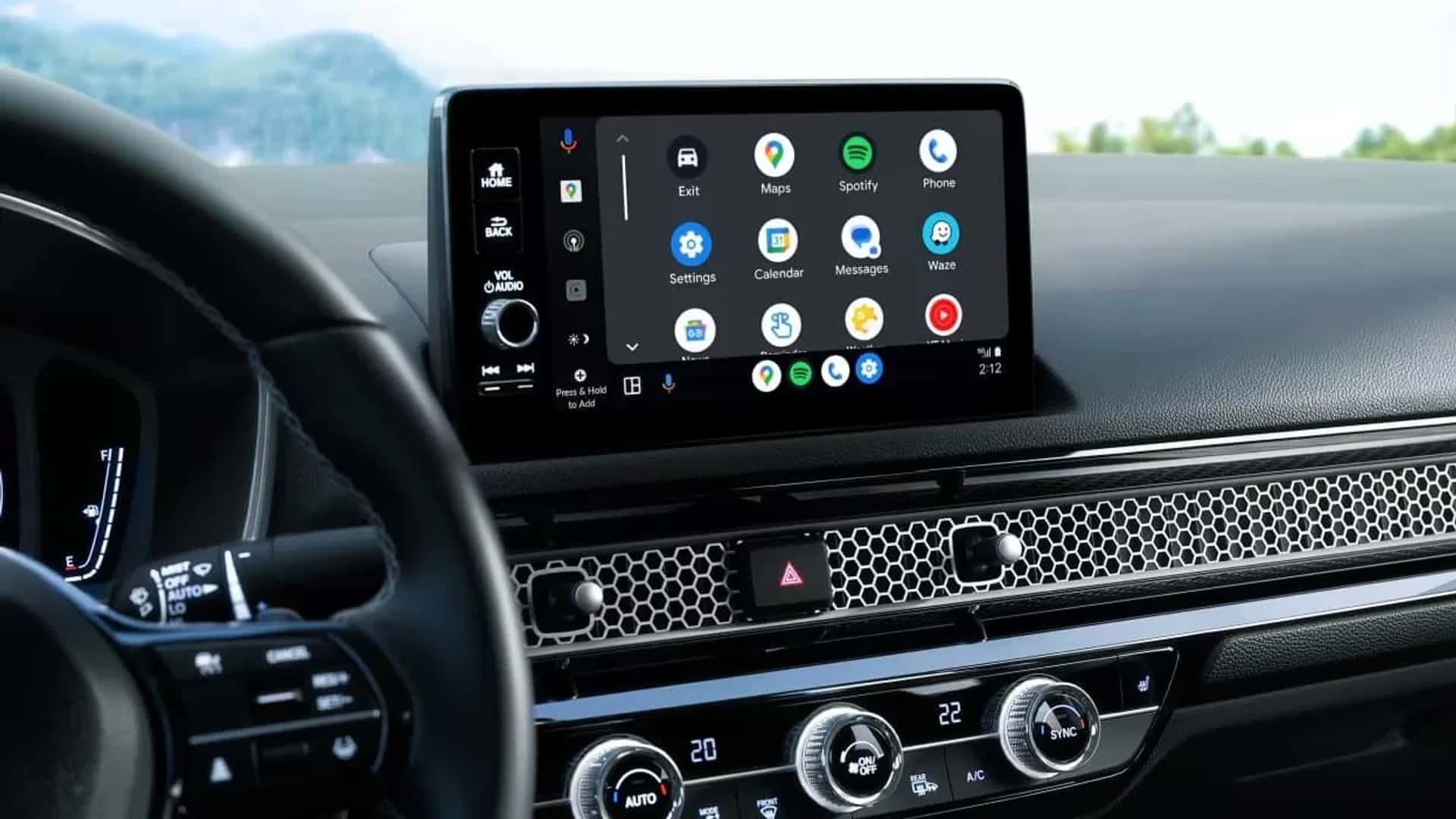
Drivers Report Increased Dissatisfaction with Infotainment Screens in Cars

Edited by Dash Coilwright
Incentives & Software
Updated June 30, 2026
3 min read
1 linked source
A recent study indicates that the quality of infotainment screens in vehicles has declined year-over-year, leading to increased dissatisfaction among drivers. This issue affects a broad range of vehicle owners, particularly those with electric vehicles (EVs) that heavily rely on digital interfaces for navigation and connectivity. The study highlights ongoing connectivity issues and user experience challenges.
Share this story
Why it matters
- ✓Dissatisfaction with infotainment systems can affect the overall driving experience for EV owners, potentially leading to frustration during daily use.
- ✓As EVs increasingly incorporate advanced technology, issues with screens may impact the perceived value and reliability of these vehicles.
- ✓Connectivity problems can hinder access to essential features, such as navigation and charging station locators, which are crucial for EV drivers.
Declining Quality of Infotainment Screens
A recent study has revealed that the quality of infotainment screens in vehicles has worsened over the past year, leading to growing dissatisfaction among drivers. This trend is particularly concerning for electric vehicle (EV) owners, who often depend on these screens for essential functions such as navigation, connectivity, and vehicle management.
What Changed
According to the findings reported by InsideEVs, infotainment systems are now the area in which initial quality has declined the most in vehicles. Drivers have reported various issues, including connectivity problems and a lack of user-friendly interfaces. This decline in quality is significant, as it suggests that manufacturers may not be prioritizing the development of reliable and effective digital interfaces in their vehicles.
Why It Matters for Buyers and Owners
The decline in infotainment screen quality has several implications for EV buyers and owners:
- Driving Experience: A poorly functioning infotainment system can lead to a frustrating driving experience. EV owners rely on these systems for navigation and accessing charging stations, making any connectivity issues particularly problematic.
- Perceived Value: As technology becomes a key selling point for EVs, dissatisfaction with infotainment systems may affect the perceived value of these vehicles. Buyers may be less inclined to purchase models known for poor screen performance.
- Access to Features: Infotainment systems often provide access to critical features, including real-time updates on charging station availability and navigation assistance. Connectivity issues can hinder drivers' ability to utilize these features effectively, impacting their overall ownership experience.
Key Details from Source Material
The study highlighted by InsideEVs indicates a clear trend of declining quality in infotainment systems, contrasting with the general expectation that technological advancements would improve user experience. This decline is particularly alarming for EV manufacturers, who are increasingly marketing their vehicles based on advanced technology and connectivity features. The study did not specify which manufacturers were most affected, leaving some uncertainty about how widespread these issues are across different brands.
What to Watch Next
As the automotive industry continues to evolve, it will be crucial to monitor how manufacturers respond to these findings. Will they prioritize improving infotainment systems in future models? Additionally, consumer feedback will likely play a significant role in shaping the development of these technologies. Keeping an eye on upcoming vehicle releases and updates from manufacturers regarding software improvements will be essential for potential buyers and current owners alike.
In conclusion, the dissatisfaction with infotainment screens represents a significant challenge for both manufacturers and consumers in the EV market. Addressing these issues will be vital for enhancing the overall driving experience and maintaining consumer trust in electric vehicles.
Sources
These are the documents and reports used to build this brief so readers can verify the story directly.
- Drivers Are Not Happy With Their Cars' Screens — InsideEVsMEDIA
Reporting notes
EV Signal briefs are written to explain the verified change first, then add the context EV buyers and owners need to understand cost, availability, charging access, eligibility, or ownership impact.
If details are still developing, we try to say what is confirmed, what comes from secondary reporting, and what readers should verify before acting.
Source mix
1 linked source
1 media
Reviewed from: InsideEVs.
Comments
Log in with
Loading comments…
More in Software
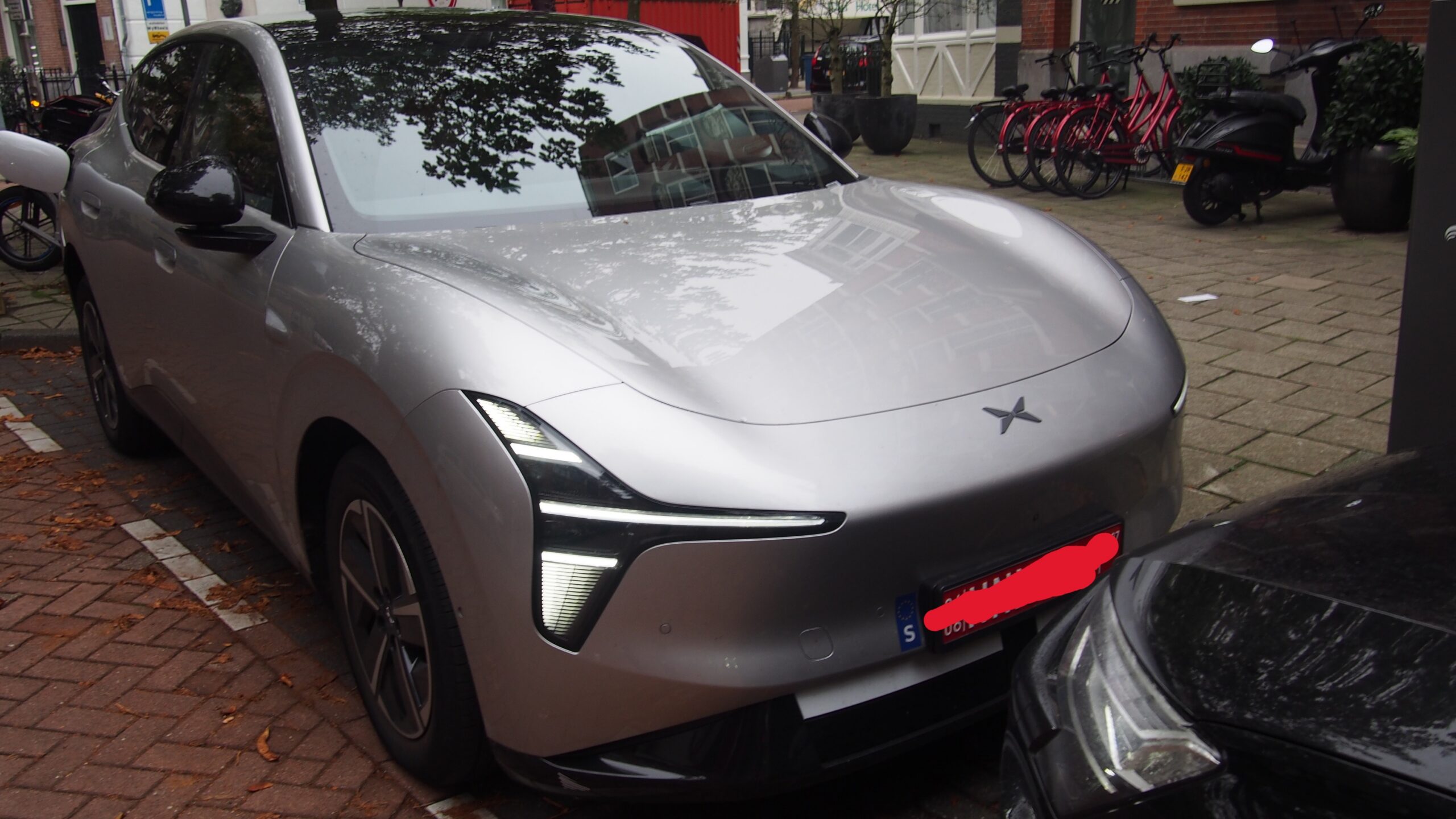
XPENG L03 Prototype Tested Against Tesla FSD in Amsterdam
The XPENG L03 prototype equipped with the VLA 2.0 software was recently tested alongside a Tesla…
1h ago
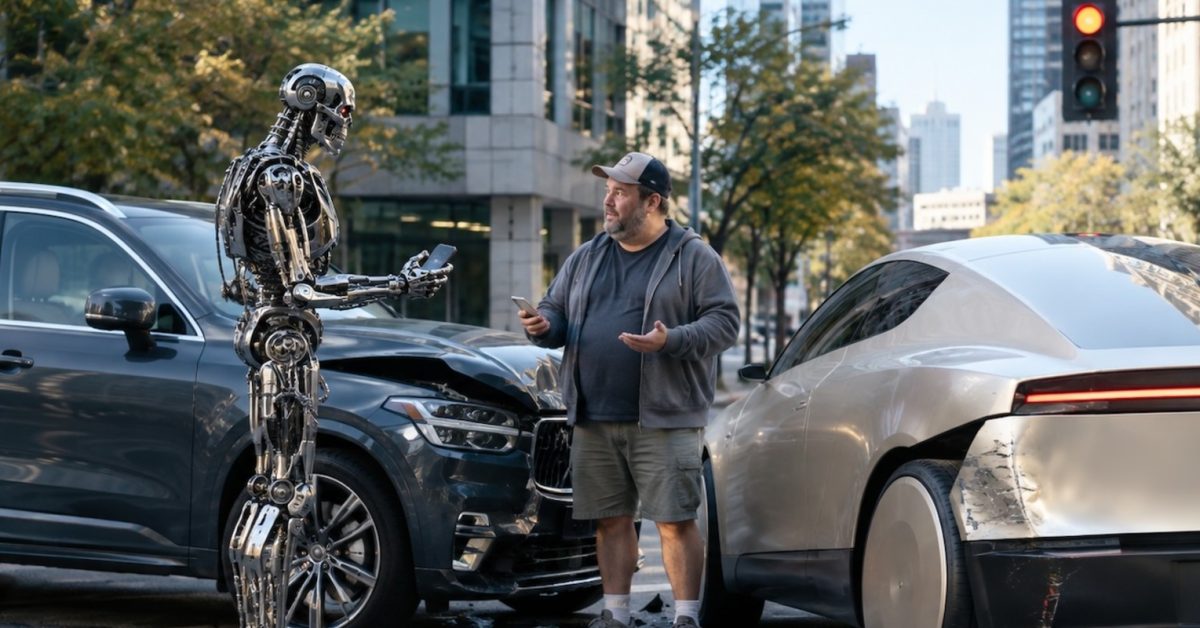
Survey Reveals Public Opinion on Blame for Self-Driving Car Crashes
A recent survey conducted by Electrek gathered nearly 3,000 responses regarding responsibility in…
7h ago

Tesla's Full Self-Driving Feature May Soon Allow Unsupervised Operation
Tesla is reportedly moving closer to enabling its Full Self-Driving (FSD) feature to operate…
1d ago
Tesla Full Self-Driving Release in the EU Delayed
Tesla's Full Self-Driving (FSD) feature is facing a delay in its release in the European Union,…
1d ago