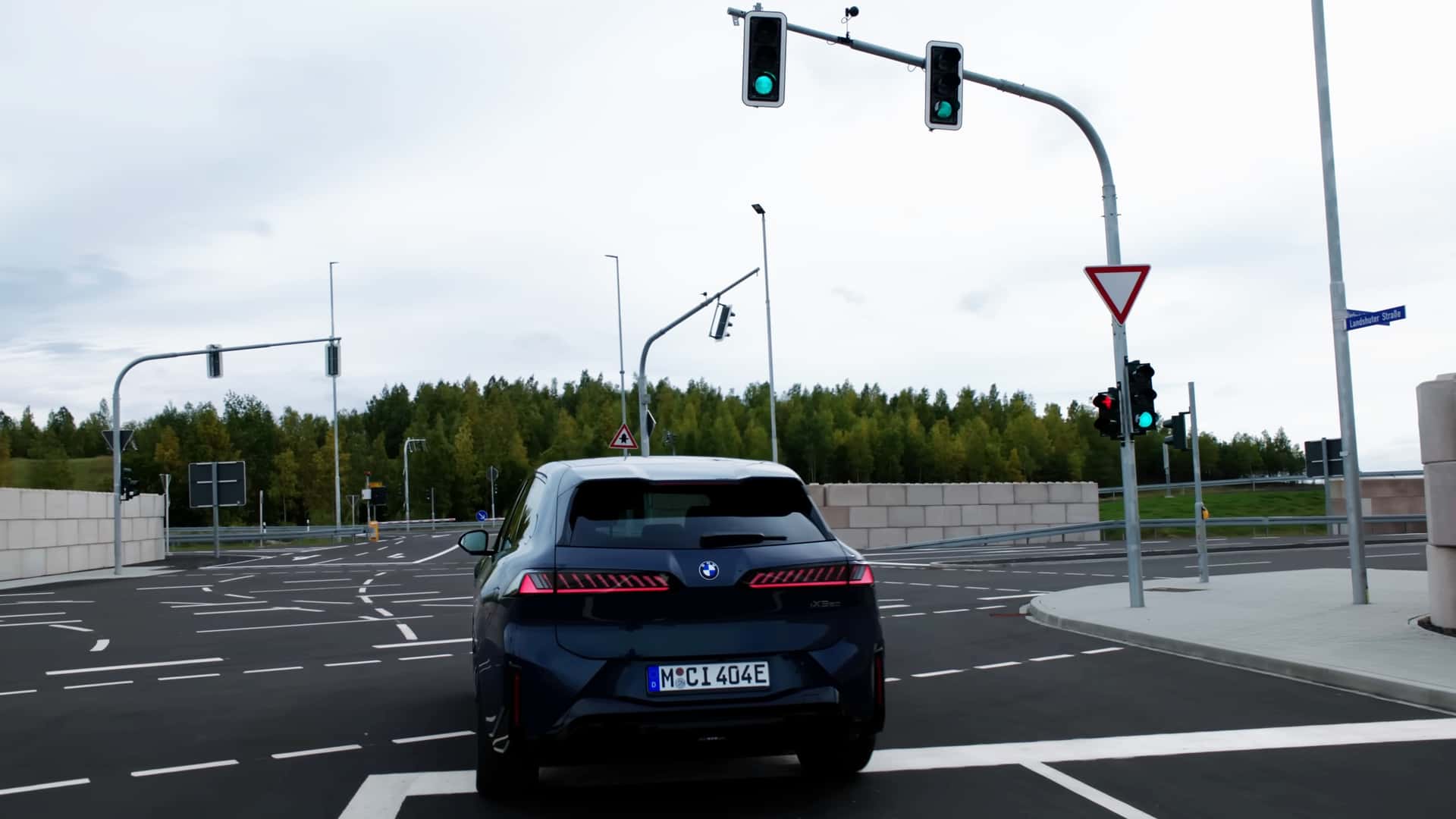
Survey Reveals Public Opinion on Blame for Self-Driving Car Crashes
A recent survey conducted by Electrek gathered nearly 3,000 responses regarding responsibility in self-driving car accidents. The results indicate a divided opinion on whether the blame should fall on manufacturers, software developers, or the drivers themselves. This reflects ongoing uncertainty in the legal and ethical landscape surrounding autonomous vehicles.

Key takeaways
30-second read- 1Understanding public sentiment on liability can influence regulatory frameworks, potentially affecting the adoption of self-driving technology.
- 2Buyers may need to consider liability insurance options and manufacturer accountability when purchasing autonomous vehicles.
- 3The survey results could impact how companies approach safety features and consumer trust in self-driving technology.
Confirmed
No official source linked yet
Reported
Secondary reporting: Electrek
Verify yourself
Eligibility, local prices and dates for your car, state or utility
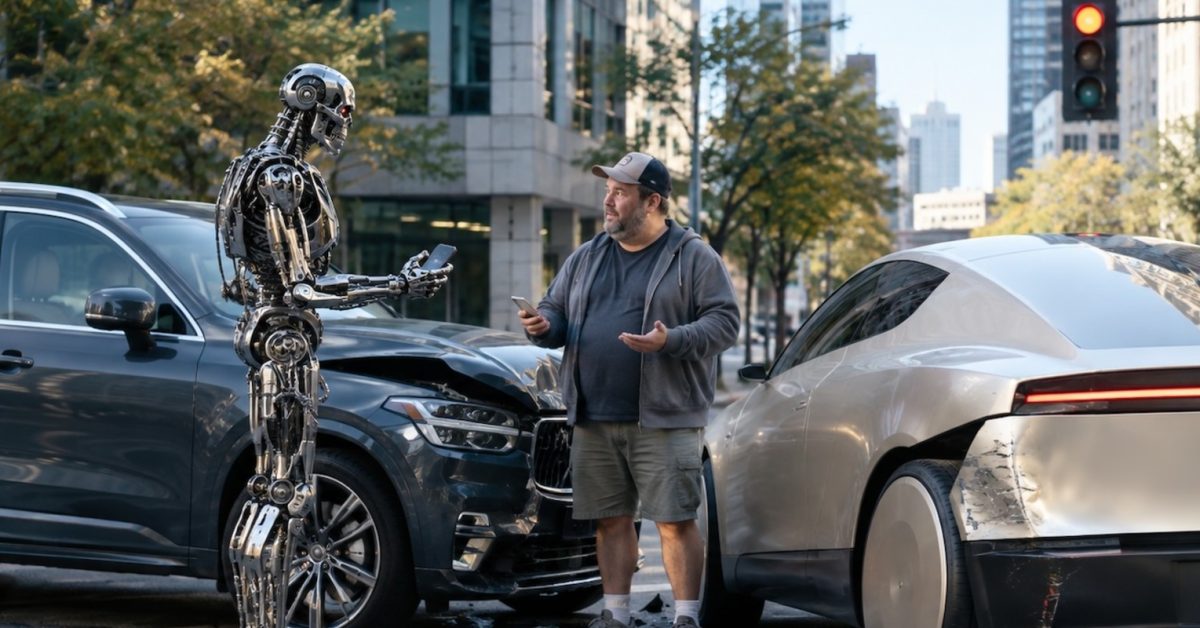
Survey Reveals Public Opinion on Blame for Self-Driving Car Crashes
A recent survey conducted by Electrek has shed light on public opinion regarding responsibility in self-driving car accidents. With nearly 3,000 responses collected, the survey aimed to understand who the public believes should be held accountable when AI fails and accidents occur.
What Changed
The survey results indicate a significant division in public opinion about liability in the event of a crash involving autonomous vehicles. Respondents were asked to weigh in on whether the blame should rest with the manufacturers, the software developers, or the drivers themselves. This reflects a broader societal concern about the implications of AI technology in everyday life, particularly in scenarios where human safety is at stake.
Why It Matters for Buyers and Owners
- Regulatory Impact: The findings could influence how lawmakers approach regulations surrounding autonomous vehicles, potentially affecting the speed and manner in which self-driving technology is adopted.
- Insurance Considerations: Buyers may need to reassess their insurance needs, as clarity on liability could change the landscape of coverage options for autonomous vehicle owners.
- Consumer Trust: The results highlight the importance of trust in manufacturers and developers, which could affect consumer decisions when considering the purchase of self-driving cars.
Key Details from Source Material
According to Electrek, the survey was designed to gauge reader sentiment on the accountability of various parties involved in the development and operation of self-driving vehicles. The results revealed a lack of consensus, with opinions split among the three main groups: manufacturers, software developers, and drivers. This division underscores the complexity of assigning blame in situations where technology and human behavior intersect.
What to Watch Next
As discussions around self-driving cars continue to evolve, it will be important to monitor how these survey results influence policy and industry standards. Additionally, the ongoing development of autonomous vehicle technology may lead to further surveys and studies that could provide more clarity on public sentiment and expectations regarding safety and liability.
In summary, as the landscape of autonomous vehicles continues to change, understanding public opinion on liability will be crucial for manufacturers, developers, and consumers alike. This survey serves as a snapshot of current attitudes, but ongoing dialogue and research will be essential in shaping the future of self-driving technology.
Sources
1 media- [1]Survey Sunday: When self driving cars crash, who gets the blame?Media
Electrek · electrek.co · published Sep 27
Newsletter
Weekly EV signal. No spam.
Comments
Log in with
Loading comments…