
Court Blocks Republican Efforts to Halt Renewable Energy Projects
Updated April 22, 2026
3 min read
1 linked source
A US District Court has ruled against Republican attempts to block the deployment of wind and solar projects. This decision comes as energy prices are rising globally and aims to facilitate the growth of renewable energy sources, which could lead to lower electricity costs for consumers. The ruling directly impacts the expansion of renewable energy infrastructure in the United States.
Share this story
Why it matters
- ✓Lower electricity costs could reduce overall ownership expenses for EV buyers and owners.
- ✓Increased renewable energy deployment may enhance charging infrastructure availability and reliability.
- ✓Stability in energy prices can lead to more predictable operating costs for electric vehicles.
Reporting notes
EV Signal briefs are written to explain the verified change first, then add the context EV buyers and owners need to understand cost, availability, charging access, eligibility, or ownership impact.
If details are still developing, we try to say what is confirmed, what comes from secondary reporting, and what readers should verify before acting.
Source mix
1 linked source
1 media
Reviewed from: Electrek.
Court Ruling Overview
A recent ruling by a US District Court has blocked Republican efforts to impede the deployment of wind and solar energy projects. This decision is significant as it comes during a time of rising energy prices globally, and it aims to facilitate the growth of renewable energy sources that could ultimately lower electricity costs for consumers.
What Changed
The court's ruling specifically addresses attempts by Republican lawmakers to halt renewable energy initiatives that are crucial for expanding the United States' energy portfolio. By allowing these projects to proceed, the court is supporting the transition to cleaner energy sources, which are essential for reducing reliance on fossil fuels and mitigating the impact of fluctuating energy prices.
Why It Matters for Buyers and Owners
The implications of this ruling are particularly relevant for electric vehicle (EV) buyers and owners:
- Lower Electricity Costs: As renewable energy projects expand, the potential for lower electricity costs increases, which can directly benefit EV owners by reducing their charging expenses.
- Enhanced Charging Infrastructure: With more renewable energy sources being deployed, there is likely to be an improvement in the availability and reliability of charging stations, making it easier for EV owners to charge their vehicles.
- Predictable Operating Costs: Stability in energy prices can lead to more predictable operating costs for electric vehicles, allowing owners to better plan their budgets.
Key Details from Source Material
According to the source from Electrek, the court's decision is a clear indication of the legal challenges faced by those opposing renewable energy projects. The ruling emphasizes the importance of advancing wind and solar initiatives as a means to combat rising energy costs and promote sustainable energy solutions. This legal victory could pave the way for more investments in renewable energy infrastructure, which is essential for achieving long-term energy goals in the United States.
What to Watch Next
As this situation develops, it will be important to monitor any further legal challenges that may arise against renewable energy projects. Additionally, stakeholders in the EV market should keep an eye on how this ruling influences state and local policies regarding energy production and infrastructure development. The ongoing transition to renewable energy will likely continue to impact the EV landscape, making it crucial for buyers and owners to stay informed about these changes.
Sources
These are the documents and reports used to build this brief so readers can verify the story directly.
Comments
Log in with
Loading comments…
More in Charging
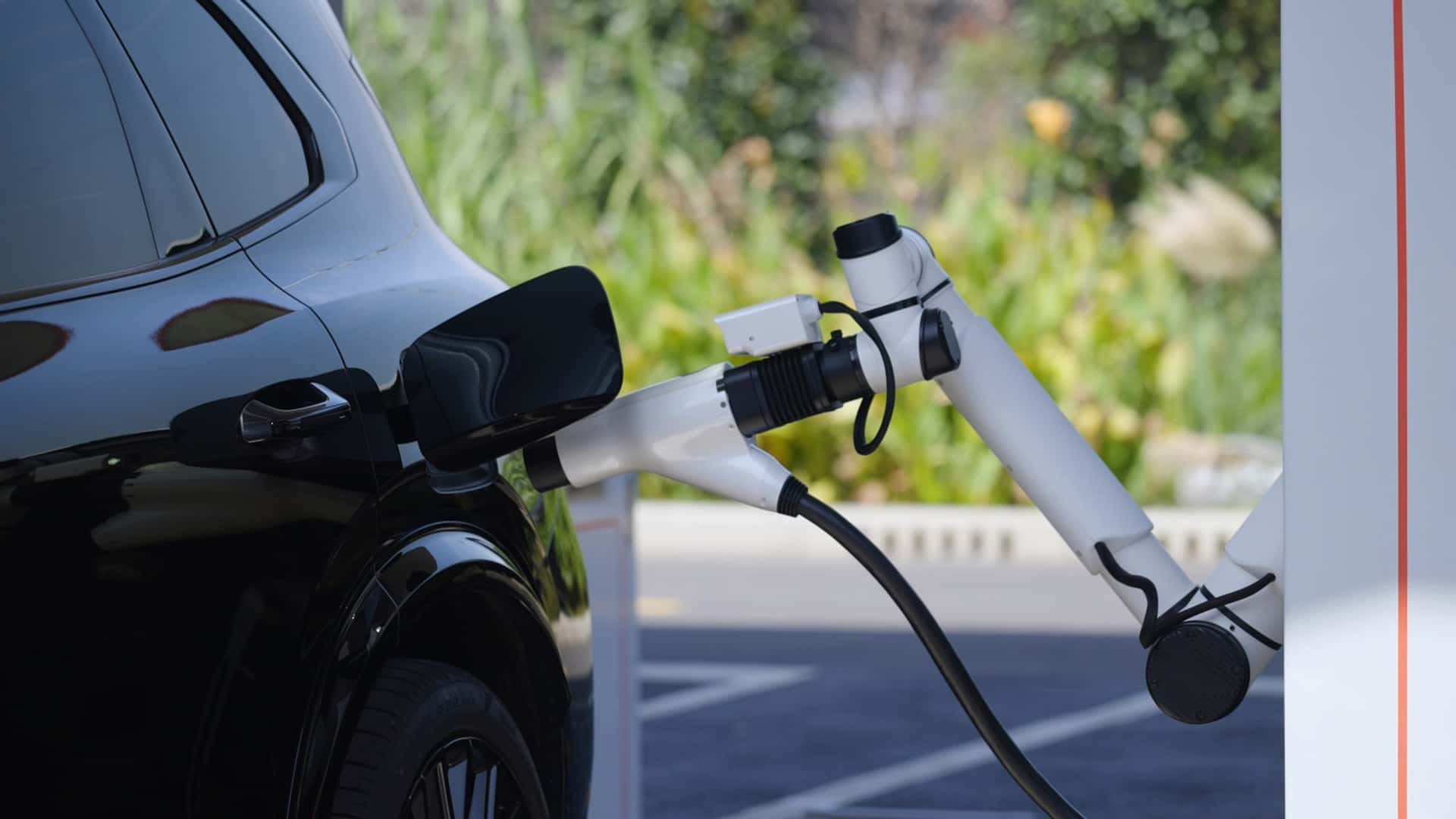
Geely Unveils 2.25 Megawatt EV Charger, Outpacing Competitors
Geely has introduced a new electric vehicle (EV) charger with an impressive output of 2.25…
18h ago
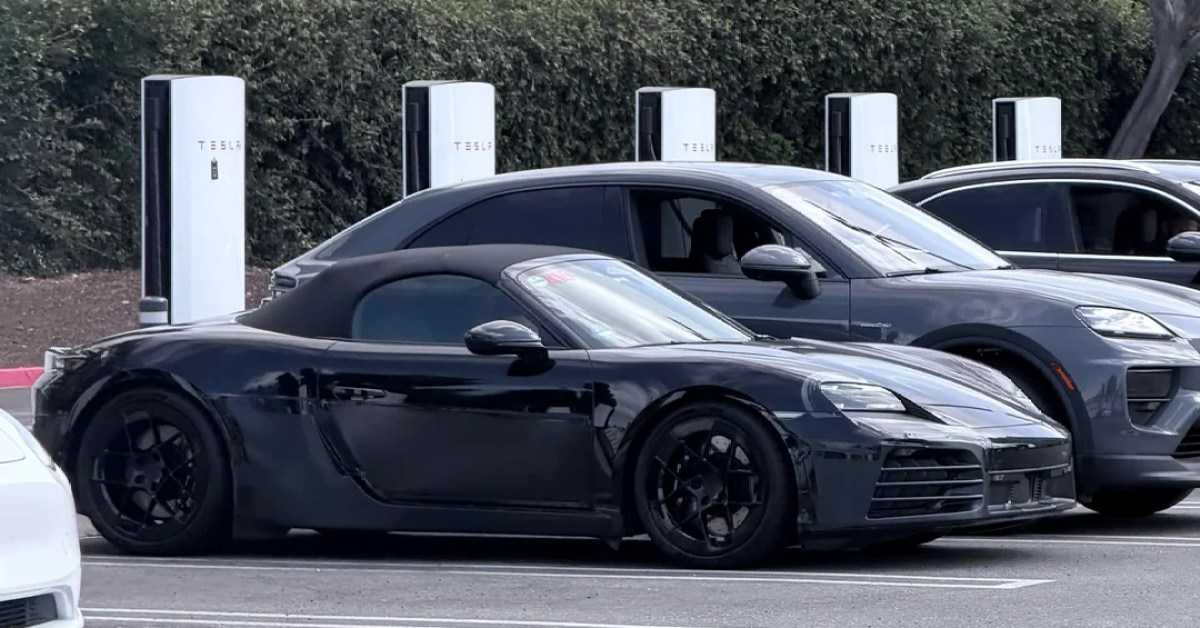
Electric Porsche Boxster Spotted Charging at Tesla Supercharger
An electric version of the Porsche Boxster has been observed charging at a Tesla Supercharger…
1d ago
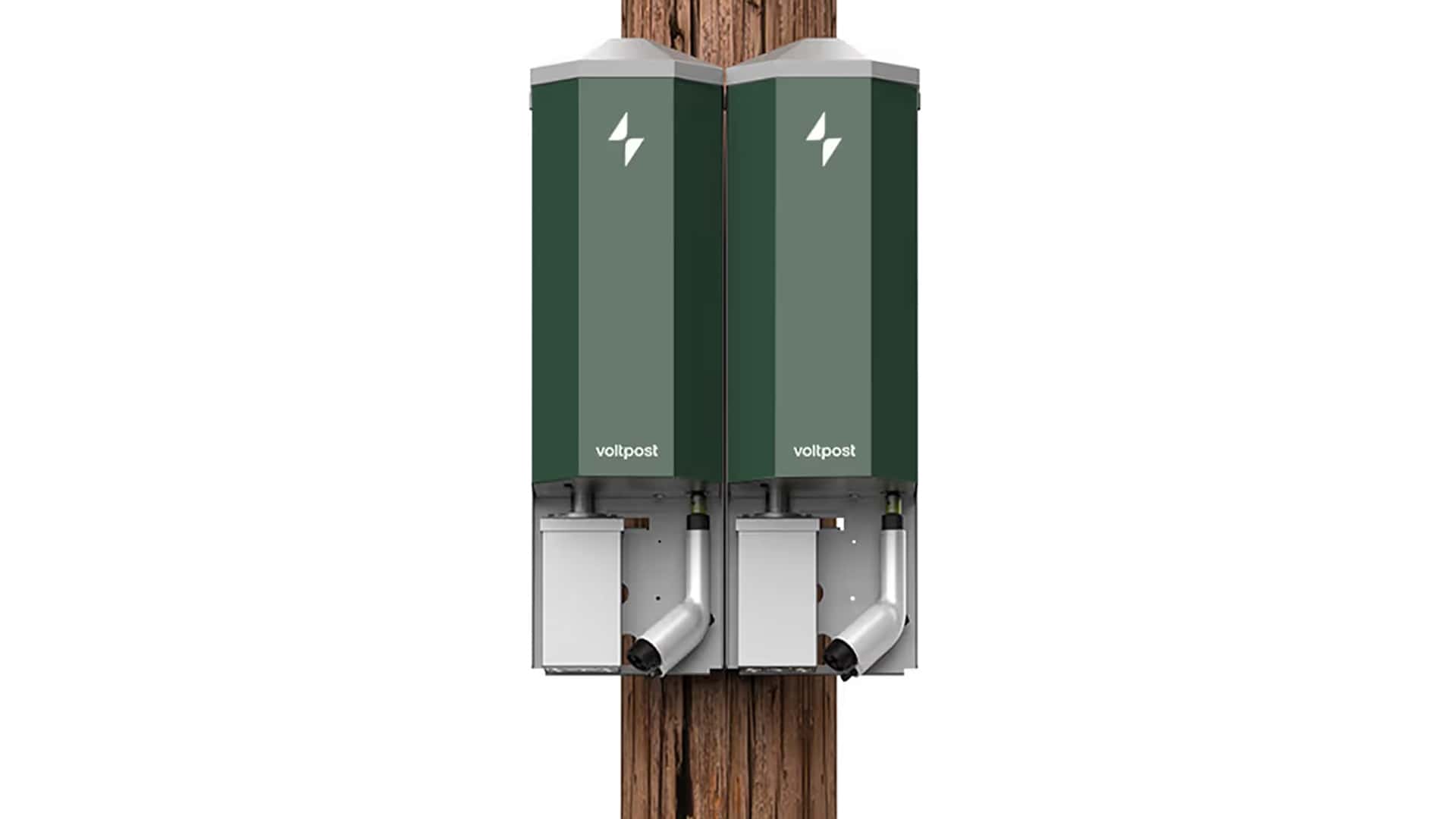
Voltpost Expands Lamppost EV Chargers with Free Top-Ups in Brooklyn
Voltpost has launched over a dozen new lamppost-mounted EV charging ports across New York,…
1d ago

Geely Introduces 2.2MW Charger for 4-Minute EV Charging
Geely has announced a new electric car battery and charging system that enables charging times of…
2d ago