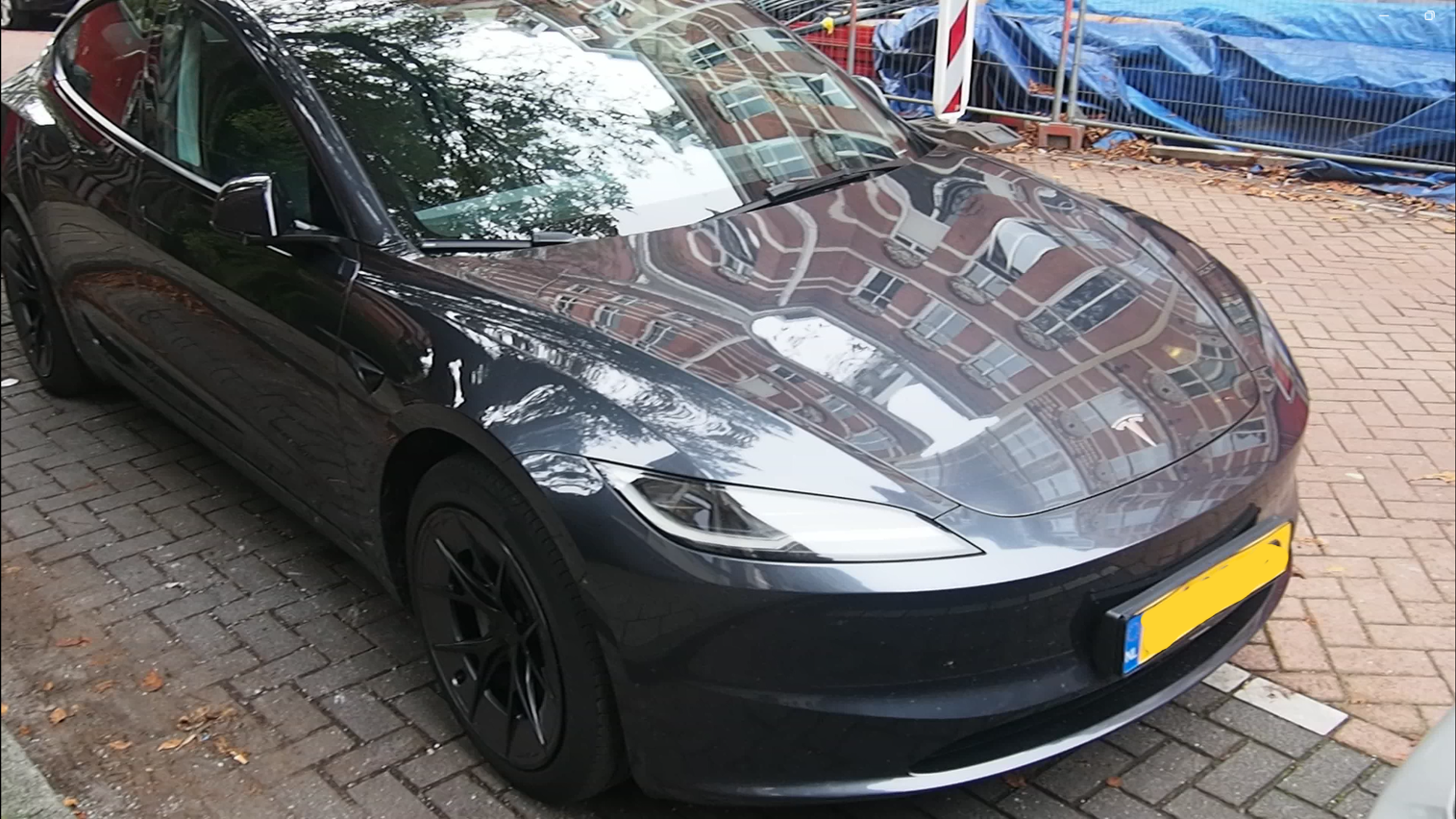
Comparing VLA 2.0 and Tesla's FSD in Amsterdam: Insights from the Model 3

Edited by Dash Coilwright
Incentives & Software
Updated September 29, 2026
3 min read
1 linked source
In the latest comparison of autonomous driving technologies, the Tesla Model 3 equipped with Full Self-Driving (FSD) was evaluated against XPENG's VLA 2.0 in Amsterdam. While FSD is widely available in the U.S., its performance in urban environments like Amsterdam raises questions about its effectiveness compared to newer systems like VLA 2.0. The findings highlight the differences in user experience and functionality between these two technologies.
Share this story
Why it matters
- ✓Understanding the differences between FSD and VLA 2.0 can help EV buyers make informed decisions about which autonomous driving technology best suits their needs.
- ✓As FSD becomes more common in various markets, its performance in challenging urban settings may influence its adoption and perceived value among potential buyers.
- ✓Evaluating these technologies can impact future software updates and features that enhance day-to-day usability for Tesla owners.
Overview of the Comparison
In a recent evaluation of autonomous driving technologies, the Tesla Model 3 equipped with Full Self-Driving (FSD) was compared to the XPENG L03 featuring VLA 2.0 in Amsterdam. This comparison is part of an ongoing series that aims to explore the capabilities of different autonomous systems in urban environments.
What Changed
The focus of this segment shifts from XPENG's VLA 2.0 to Tesla's FSD, which, while commonly used in the United States, faces unique challenges in the context of Amsterdam's dense urban layout. The performance of these systems was assessed in real-world driving scenarios, providing insights into their operational effectiveness.
Why It Matters for Buyers and Owners
- Informed Decision-Making: By understanding the strengths and weaknesses of FSD compared to VLA 2.0, potential buyers can make more informed choices about which EV to purchase based on their driving needs and environments.
- Market Adoption: The evaluation of FSD's performance in urban settings may influence its adoption rates in Europe, where driving conditions differ significantly from those in the U.S.
- Future Developments: Insights gained from this comparison could lead to software updates for Tesla vehicles, enhancing their functionality and user experience in complex driving environments.
Key Details from the Source Material
According to CleanTechnica, the evaluation highlights that while FSD is a well-known feature in the U.S. market, its effectiveness in Amsterdam's urban landscape is still being scrutinized. The article emphasizes that FSD's performance may not be as robust as that of newer systems like VLA 2.0, particularly in navigating complex traffic scenarios and obeying local traffic regulations.
What to Watch Next
As the comparison between VLA 2.0 and FSD continues, it will be important to monitor further evaluations and user feedback regarding the performance of these systems in different environments. Additionally, any updates or improvements to Tesla's FSD software could significantly impact its usability and effectiveness in urban areas like Amsterdam. Keep an eye on future articles in this series for more insights and developments.
Sources
These are the documents and reports used to build this brief so readers can verify the story directly.
- VLA 2.0 vs. FSD in Amsterdam — Part 2: Tesla Model 3 — CleanTechnicaMEDIA
Reporting notes
EV Signal briefs are written to explain the verified change first, then add the context EV buyers and owners need to understand cost, availability, charging access, eligibility, or ownership impact.
If details are still developing, we try to say what is confirmed, what comes from secondary reporting, and what readers should verify before acting.
Source mix
1 linked source
1 media
Reviewed from: CleanTechnica.
Comments
Log in with
Loading comments…
More in Software
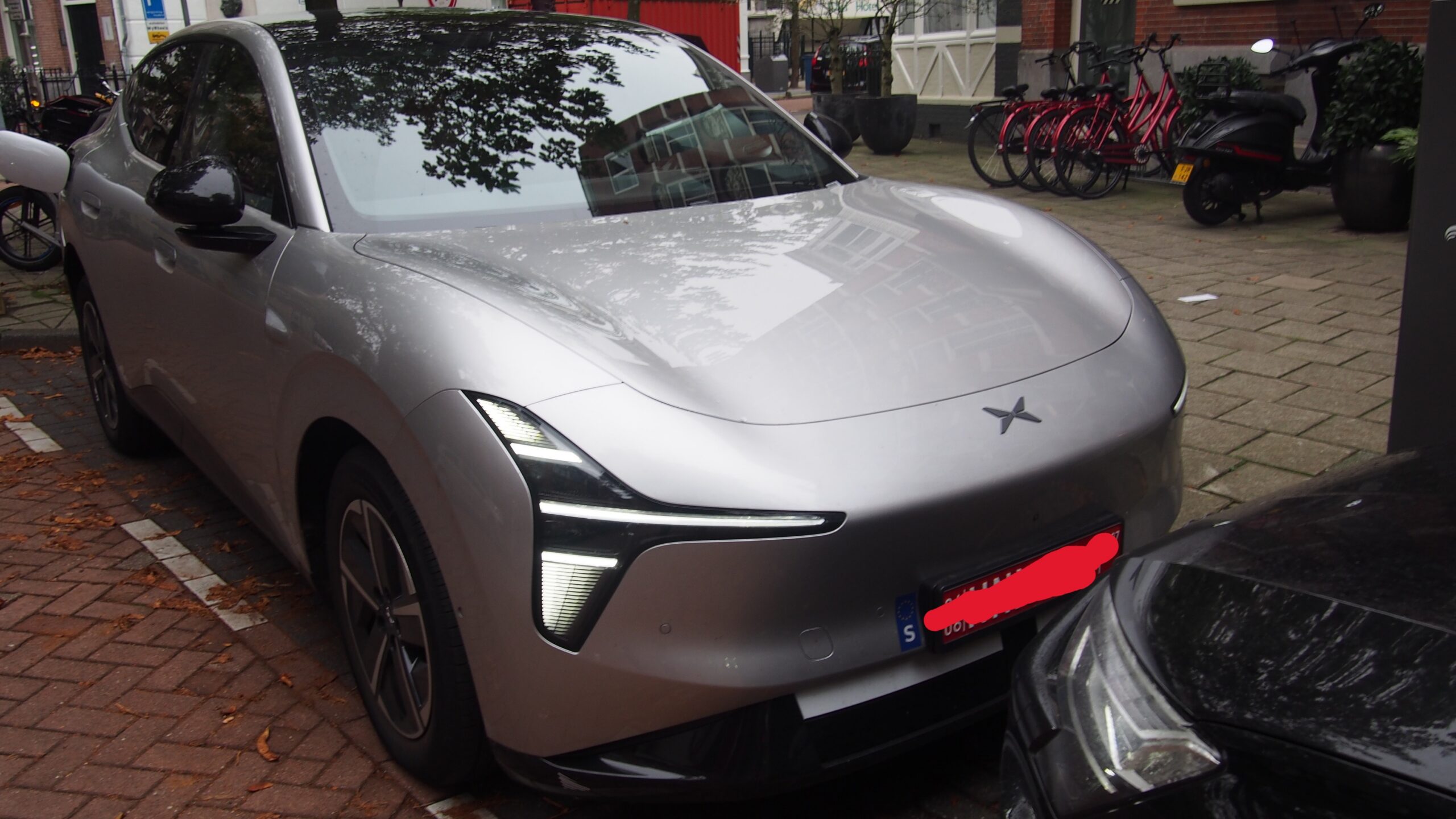
XPENG L03 Prototype Tested Against Tesla FSD in Amsterdam
The XPENG L03 prototype equipped with the VLA 2.0 software was recently tested alongside a Tesla…
1d ago
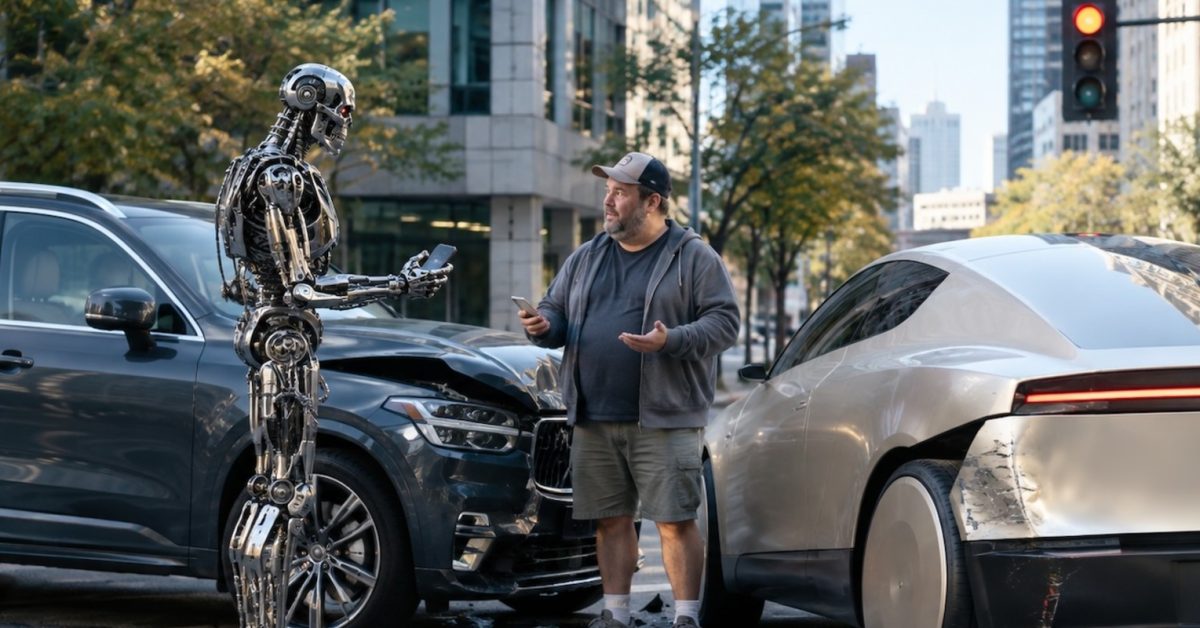
Survey Reveals Public Opinion on Blame for Self-Driving Car Crashes
A recent survey conducted by Electrek gathered nearly 3,000 responses regarding responsibility in…
1d ago
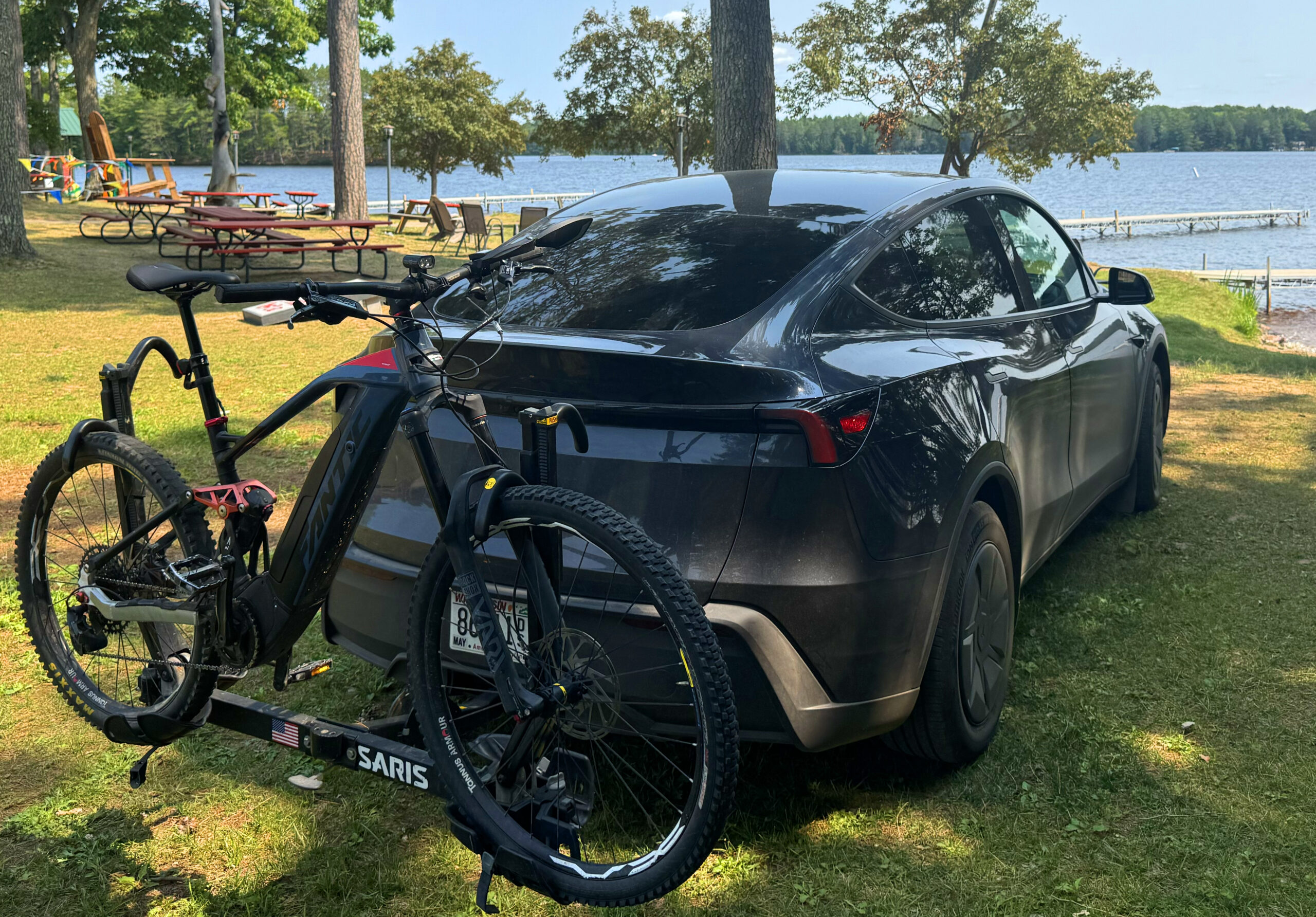
Tesla's Full Self-Driving Feature May Soon Allow Unsupervised Operation
Tesla is reportedly moving closer to enabling its Full Self-Driving (FSD) feature to operate…
2d ago
Tesla Full Self-Driving Release in the EU Delayed
Tesla's Full Self-Driving (FSD) feature is facing a delay in its release in the European Union,…
2d ago