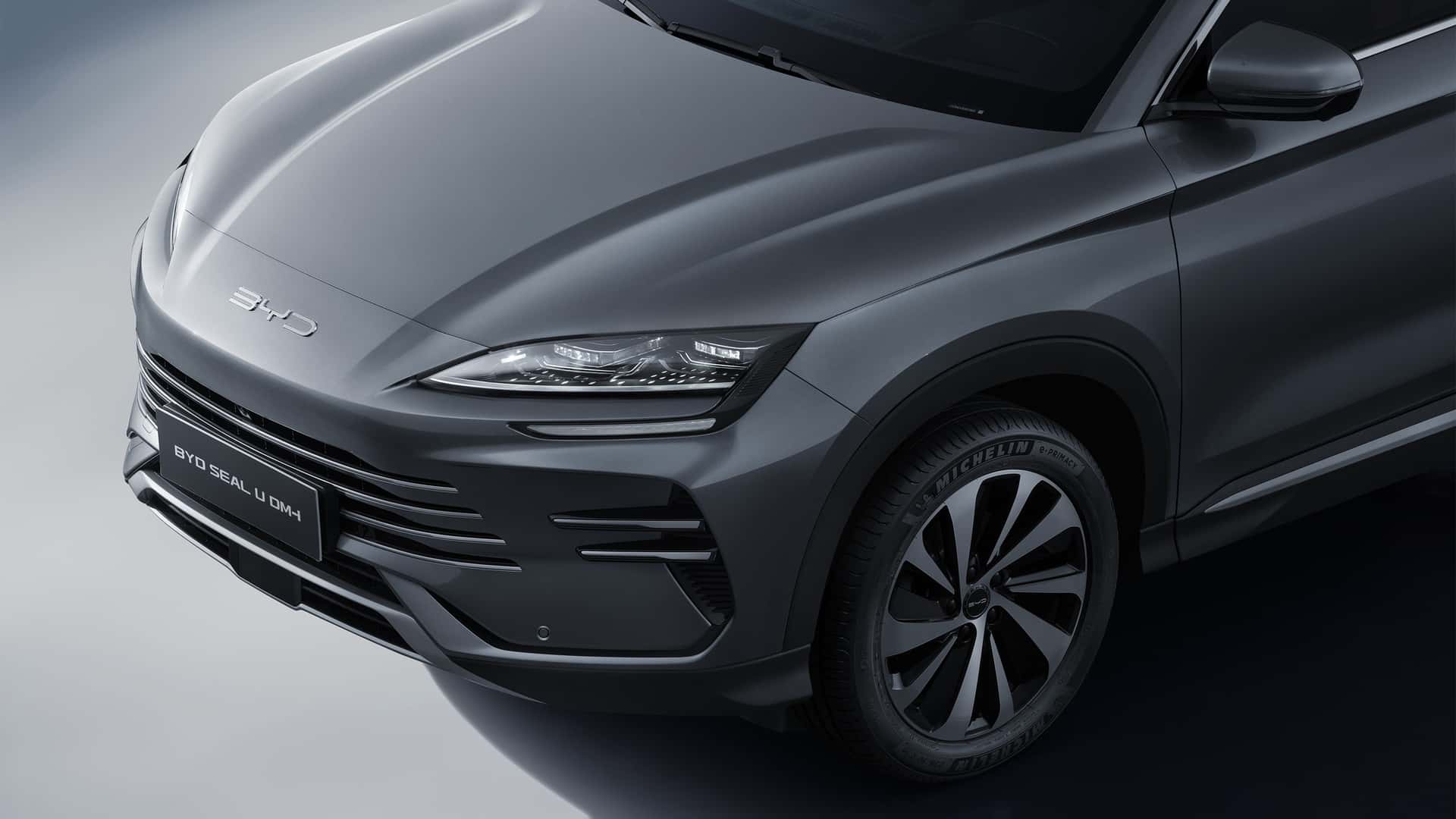
China Agrees to Limit Hybrid Imports to EU to 350,000 Annually

Edited by Volta Kessrin
Models, Pricing & Buying
Updated October 12, 2026
3 min read
1 linked source
China has agreed to cap its hybrid vehicle exports to the European Union at 350,000 units per year. This decision comes as a response to the growing popularity of Chinese hybrids in Europe, which have been avoiding high tariffs imposed on fully electric vehicles. The new limit may impact the availability of these vehicles in the EU market.
Share this story
Why it matters
- ✓The cap on hybrid imports could lead to increased prices for Chinese hybrids in the EU due to limited availability.
- ✓Buyers may need to explore alternative options or brands if they are specifically interested in Chinese hybrids.
- ✓This change could influence the overall competition in the hybrid market within the EU, potentially affecting consumer choices.
China Limits Hybrid Imports to the EU
China has officially agreed to limit its hybrid vehicle exports to the European Union to a maximum of 350,000 units annually. This decision is significant as it comes amid a surge in the popularity of Chinese hybrids in Europe, which have managed to circumvent high tariffs imposed on fully electric vehicles (EVs).
What Changed
The agreement to impose a cap on hybrid imports is a strategic move by China to regulate the flow of its vehicles into the European market. Previously, Chinese hybrids were gaining traction in Europe, taking advantage of the tariff structure that favored them over fully electric vehicles. With this new limit, the EU aims to manage the influx of these vehicles and maintain a balanced market.
Why It Matters for Buyers and Owners
-
Price Implications: The limitation on imports may lead to higher prices for Chinese hybrids in the EU market. As the supply decreases, demand may drive prices up, making these vehicles less accessible to potential buyers.
-
Availability Concerns: Consumers specifically interested in purchasing Chinese hybrids may find their options limited due to the new import cap. This could push buyers to consider other brands or models that may not have the same appeal or features.
-
Market Competition: The cap could alter the competitive landscape of the hybrid vehicle market in the EU. With fewer Chinese hybrids available, other manufacturers may have an opportunity to capture market share, potentially leading to more diverse offerings for consumers.
Key Details from Source Material
According to InsideEVs, the rise of Chinese hybrids in Europe has been notable, particularly as they have been able to avoid the high tariffs that apply to fully electric vehicles. This has allowed them to gain a foothold in a market that is increasingly leaning towards electrification. The new agreement to limit imports is a direct response to this trend, aiming to regulate the market and ensure that it does not become overly saturated with one type of vehicle.
What to Watch Next
As this situation develops, it will be important to monitor how the cap on hybrid imports affects the pricing and availability of these vehicles in the EU. Additionally, observing the response from other manufacturers and how they adapt to the changing market conditions will provide insights into the future of hybrid vehicles in Europe. Potential buyers should stay informed about any changes in pricing and availability as the new import limits take effect.
Sources
These are the documents and reports used to build this brief so readers can verify the story directly.
- China Agrees To Limit Hybrid Imports To EU To 350,000 Annually — InsideEVsMEDIA
Reporting notes
EV Signal briefs are written to explain the verified change first, then add the context EV buyers and owners need to understand cost, availability, charging access, eligibility, or ownership impact.
If details are still developing, we try to say what is confirmed, what comes from secondary reporting, and what readers should verify before acting.
Source mix
1 linked source
1 media
Reviewed from: InsideEVs.
Comments
Log in with
Loading comments…
More in Buying
Segway GT3 Superscooter and Anker Power Station Bundle Now Available at Reduced Prices
The Segway GT3 Electric SuperScooter is now priced at a low of $1,400, while Anker's expanded…
2h ago
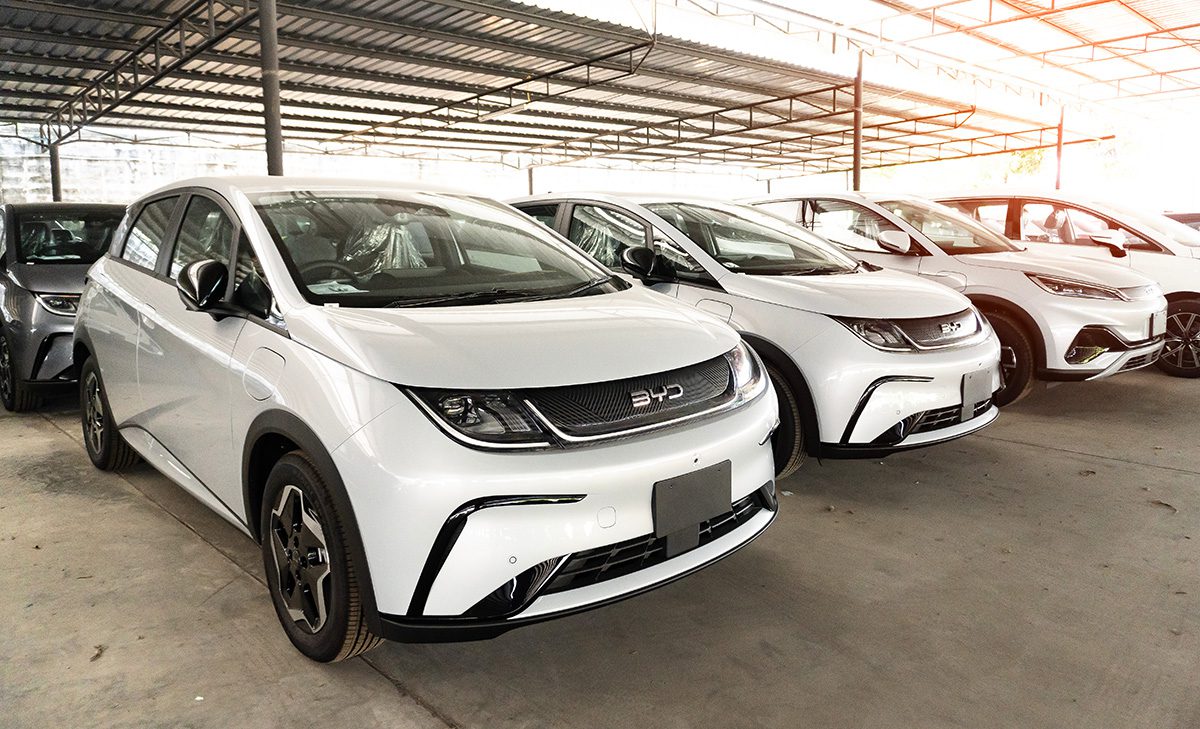
Increased Demand for Chinese EVs in Russia Amid Fuel Scarcity
As the conflict in Ukraine continues, Russia is experiencing significant disruptions to its supply…
2h ago

Battery-Electric Buses Dominate Procurement Choices
Transit agencies have increasingly opted for battery-electric buses over hydrogen fuel-cell…
8h ago
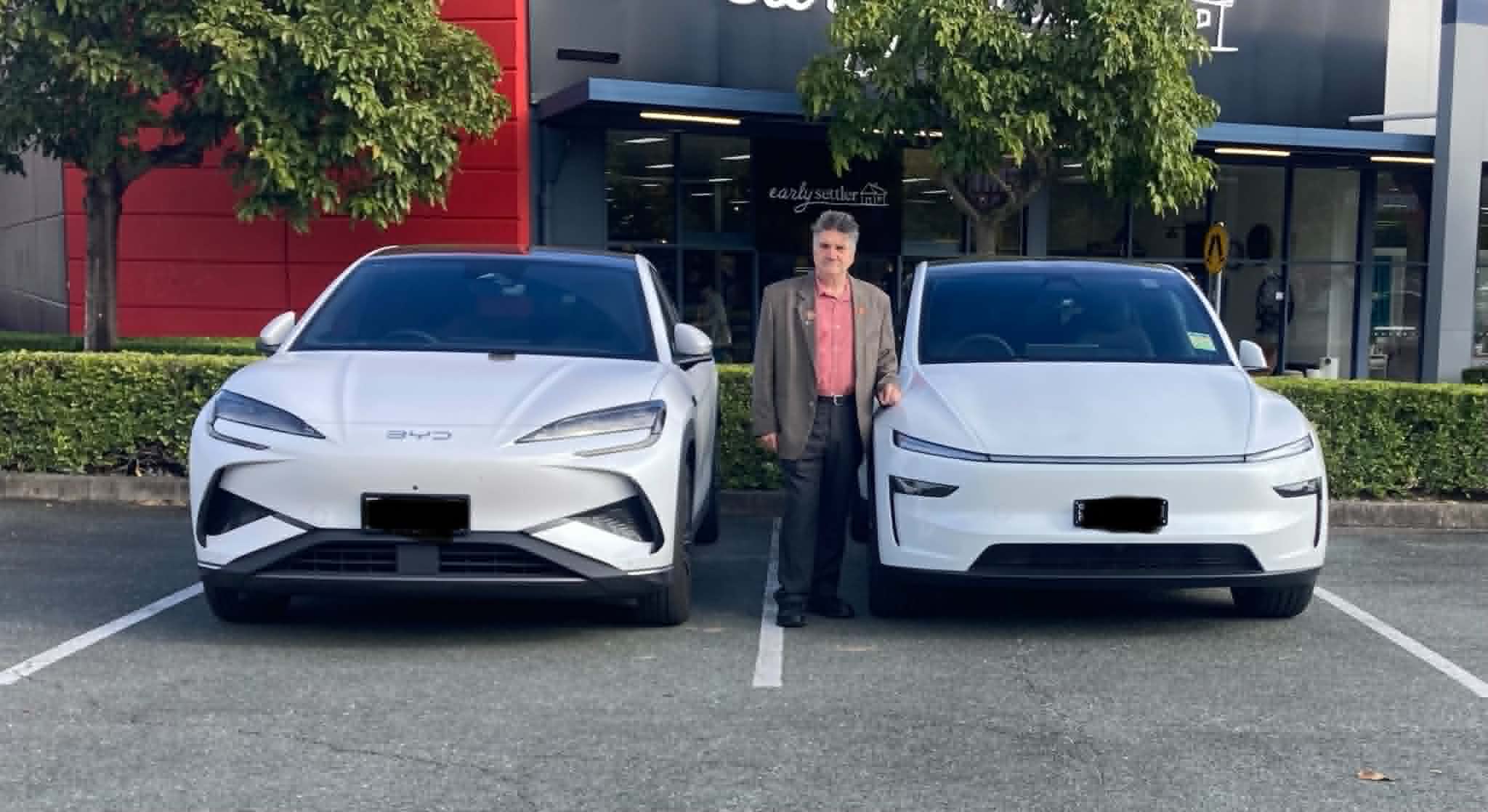
Australian Plugin Vehicle Sales Reach 33% in September 2026
In September 2026, Australia saw a total of 108,778 new vehicle deliveries, with 36,000 of those…
14h ago