Australian Plugin Vehicle Sales Reach 33% in September 2026

Edited by Volta Kessrin
Models, Pricing & Buying
Updated October 12, 2026
3 min read
1 linked source
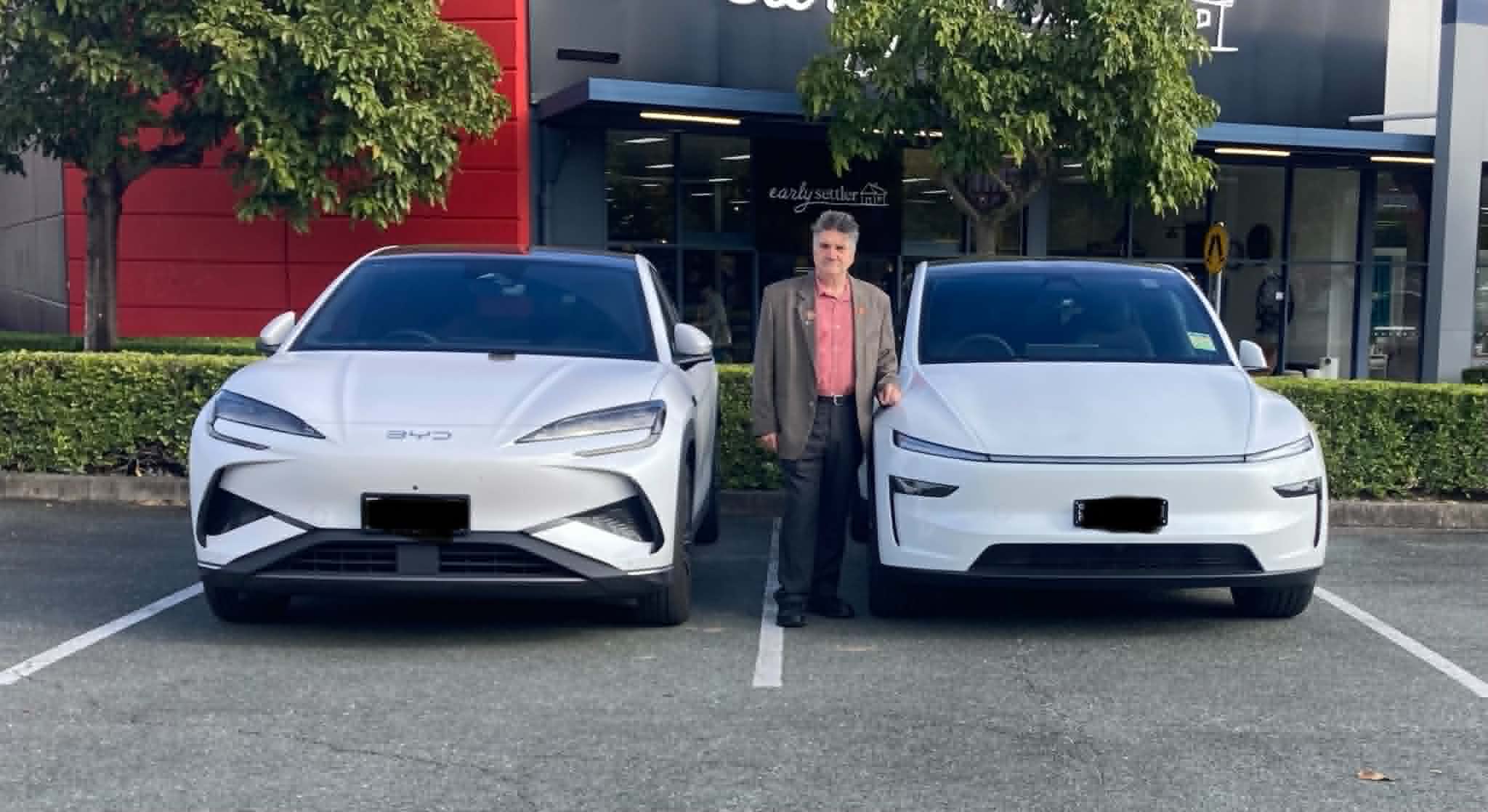
In September 2026, Australia saw a total of 108,778 new vehicle deliveries, with 36,000 of those being plugin vehicles, marking a penetration rate of 33%. This includes 24% battery electric vehicles (BEVs) and 9% plug-in hybrid electric vehicles (PHEVs). These figures indicate a growing trend towards electric vehicle adoption in Australia.
Share this story
Why it matters
- ✓The increase in plugin vehicle sales suggests a wider acceptance of EVs among Australian consumers, potentially leading to more competitive pricing and improved availability.
- ✓As the market shifts towards electric vehicles, buyers may benefit from increased charging infrastructure and incentives from both government and manufacturers.
- ✓The growing penetration rate may influence future policies and investments in EV technology and infrastructure.
Australian Plugin Vehicle Sales Reach 33% in September 2026
In September 2026, Australia experienced a significant milestone in electric vehicle (EV) adoption, with plugin vehicles accounting for 33% of all new vehicle sales. This translates to a total of 36,000 plugin vehicles sold out of 108,778 new vehicles delivered during the month. The breakdown reveals that 24% of these were battery electric vehicles (BEVs), totaling approximately 26,000 units, while plug-in hybrid electric vehicles (PHEVs) made up 9% with around 10,072 units sold.
What Changed
The notable increase in plugin vehicle sales reflects a growing trend towards electrification in the Australian automotive market. The 33% penetration rate is a significant leap, indicating that more consumers are opting for environmentally friendly alternatives to traditional combustion engine vehicles. This shift is likely influenced by various factors, including increased awareness of climate change, advancements in EV technology, and the expansion of charging infrastructure.
Why It Matters for Buyers/Owners
The rise in plugin vehicle sales has several implications for current and prospective EV buyers and owners:
- Market Dynamics: As more consumers choose electric vehicles, competition among manufacturers may lead to better pricing and more options for buyers.
- Infrastructure Development: Increased sales may prompt further investment in charging stations and related infrastructure, making it easier for EV owners to charge their vehicles conveniently.
- Policy Influence: A higher penetration of EVs could lead to supportive policies from the government aimed at promoting sustainable transportation, which may include incentives for buyers or funding for charging networks.
Key Details from Source Material
According to CleanTechnica, the data for September 2026 indicates a clear trend towards electric vehicles in Australia, with 36,000 plugin vehicles sold. This includes a substantial number of BEVs, which are becoming increasingly popular among consumers. The article emphasizes that these figures are approximate and reflects a growing acceptance of EVs in the mainstream market.
What to Watch Next
As the EV market continues to evolve, it will be important to monitor future sales figures and trends. Key areas to watch include:
- Government Policies: Any announcements regarding incentives or support for EV infrastructure could further influence sales and adoption rates.
- Market Competition: The response from traditional automakers and new entrants in the EV space will shape the landscape of available options for consumers.
- Charging Infrastructure: Developments in charging networks will be crucial for supporting the growing number of EVs on the road.
In conclusion, the September 2026 sales figures for plugin vehicles in Australia highlight a significant shift towards electric mobility. As this trend continues, it will be essential for buyers and owners to stay informed about market developments and potential changes in policies that could affect their EV experience.
Sources
These are the documents and reports used to build this brief so readers can verify the story directly.
Reporting notes
EV Signal briefs are written to explain the verified change first, then add the context EV buyers and owners need to understand cost, availability, charging access, eligibility, or ownership impact.
If details are still developing, we try to say what is confirmed, what comes from secondary reporting, and what readers should verify before acting.
Source mix
1 linked source
1 media
Reviewed from: CleanTechnica.
Comments
Log in with
Loading comments…
More in Buying
Geely EVs Coming to Canada
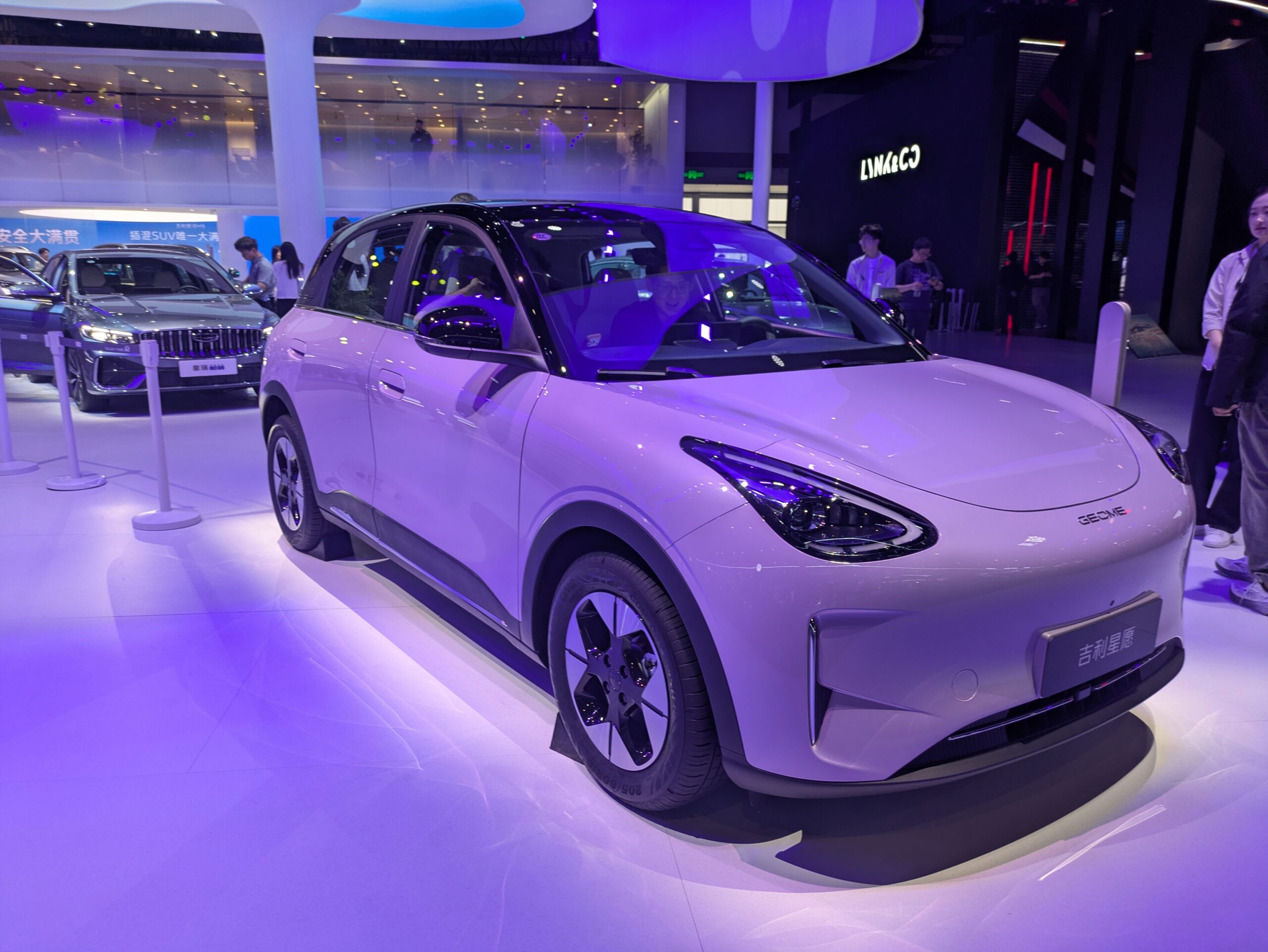
Canada is set to welcome electric vehicles from Chinese manufacturer Geely, expanding its trade…
8h ago

China and EU Reach Agreement to Limit Hybrid Vehicle Imports
China and the European Union have reached a deal aimed at reducing the influx of hybrid vehicles,…
8h ago

EU and China Agree to Halve Imports of Plug-In Hybrids
The European Union has reached an agreement with China to reduce the import of plug-in hybrid…
8h ago
Kia EV3 Now Available at US Dealerships
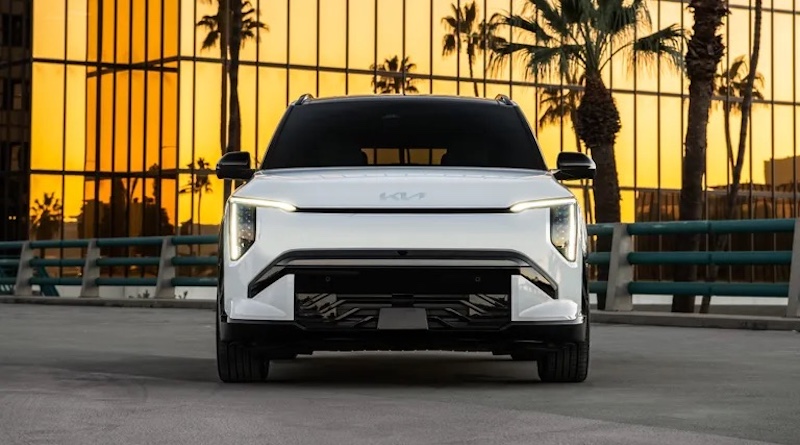
The Kia EV3 is now officially available for purchase at US dealerships, marking a significant…
8h ago