
EU and China Agree to Halve Imports of Plug-In Hybrids

Edited by Volta Kessrin
Models, Pricing & Buying
Updated October 12, 2026
3 min read
1 linked source
The European Union has reached an agreement with China to reduce the import of plug-in hybrid vehicles by 50%. This decision follows previous tariffs imposed on fully electric vehicles from China, but plug-in hybrids were initially exempt. The agreement aims to regulate the influx of these vehicles in the European market.
Share this story
Why it matters
- ✓Potentially higher prices for plug-in hybrids as supply decreases.
- ✓Reduced availability of plug-in hybrids may push consumers toward fully electric options.
- ✓Impact on the charging infrastructure as demand shifts towards fully electric vehicles.
EU and China Agree to Halve Imports of Plug-In Hybrids
The European Union has officially reached an agreement with China to reduce the import of plug-in hybrid vehicles by 50%. This significant decision comes as part of the EU's ongoing efforts to regulate the influx of vehicles in the European market, particularly those manufactured in China. Previously, the EU had imposed tariffs on fully electric vehicles from China to protect its domestic automotive industry, but plug-in hybrids were not subjected to similar tariffs at that time.
What Changed
The agreement to halve the imports of plug-in hybrids marks a shift in the EU's approach to managing vehicle imports from China. While the EU has been proactive in addressing the rapid increase of fully electric vehicles from China, the plug-in hybrid segment had remained largely unregulated until now. This new agreement aims to create a more balanced market and encourage the adoption of fully electric vehicles.
Why It Matters for Buyers and Owners
-
Potential Price Increases: With the reduction in supply of plug-in hybrids, buyers may face higher prices as competition for the remaining vehicles intensifies.
-
Shift Towards Fully Electric Options: As plug-in hybrids become less available, consumers may be encouraged to consider fully electric vehicles, which could lead to a broader adoption of EV technology.
-
Impact on Charging Infrastructure: The focus on fully electric vehicles may necessitate enhancements to charging infrastructure, as more consumers transition away from plug-in hybrids.
Key Details from Source Material
According to CleanTechnica, the EU's decision follows a two-year history of tariffs on Chinese-made electric cars, which were implemented to combat the influx of these vehicles in the European market. The German auto industry, among others, has been particularly vocal about the need for such measures to protect local manufacturers. The initial exemption of plug-in hybrids from tariffs has now been addressed with this new agreement.
What to Watch Next
As this agreement unfolds, it will be important to monitor how it affects the availability and pricing of plug-in hybrids in the European market. Additionally, stakeholders will be watching for any further regulatory measures that may be introduced to support the transition to fully electric vehicles. The long-term implications for the automotive industry and consumer behavior in Europe will also be crucial to observe as the market adjusts to these changes.
Sources
These are the documents and reports used to build this brief so readers can verify the story directly.
- EU Reaches Agreement With China To Reduce The Import Of Plug-In Hybrids By Half — CleanTechnicaMEDIA
Reporting notes
EV Signal briefs are written to explain the verified change first, then add the context EV buyers and owners need to understand cost, availability, charging access, eligibility, or ownership impact.
If details are still developing, we try to say what is confirmed, what comes from secondary reporting, and what readers should verify before acting.
Source mix
1 linked source
1 media
Reviewed from: CleanTechnica.
Comments
Log in with
Loading comments…
More in Buying
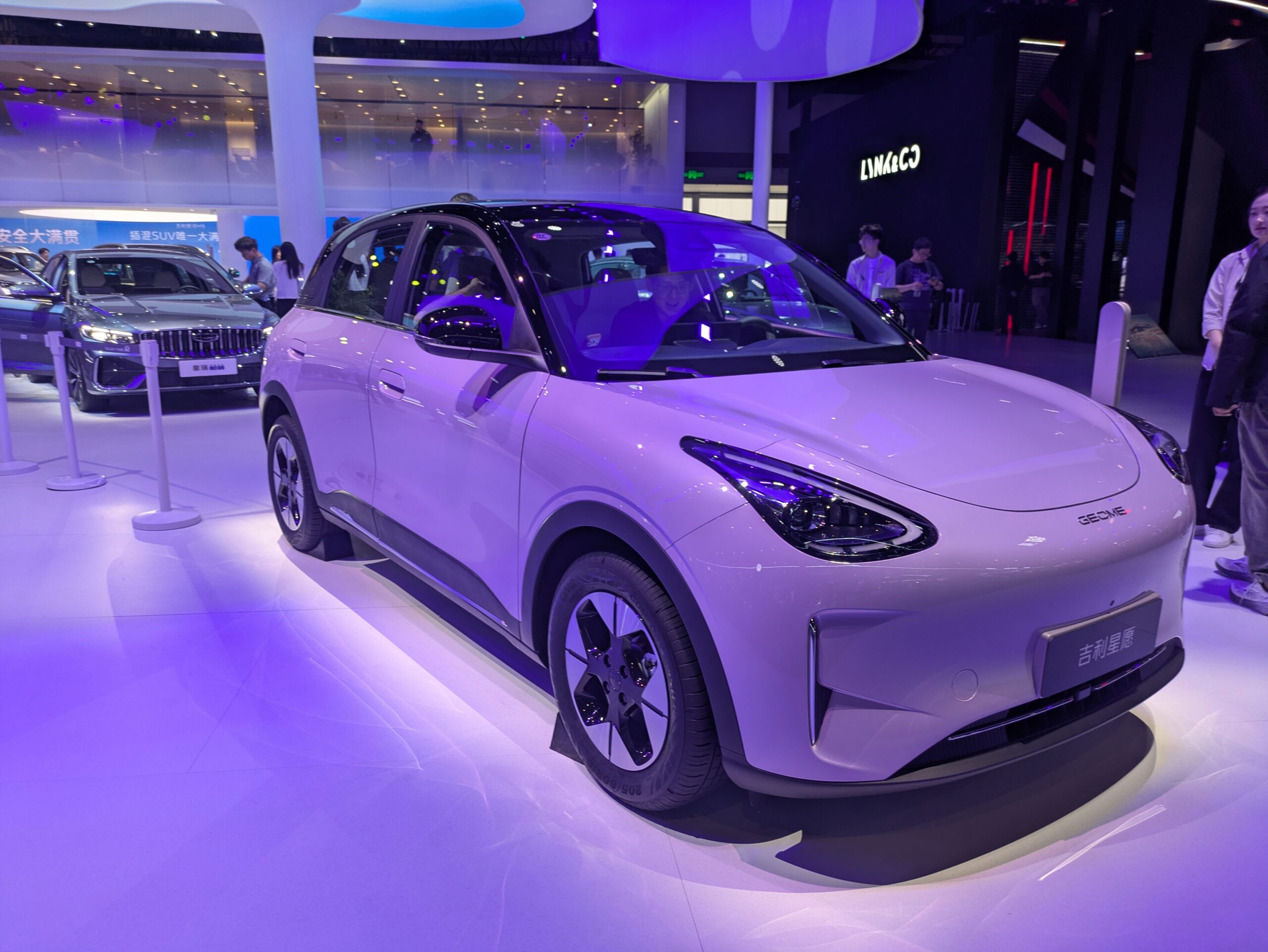
Geely EVs Coming to Canada
Canada is set to welcome electric vehicles from Chinese manufacturer Geely, expanding its trade…
2h ago

China and EU Reach Agreement to Limit Hybrid Vehicle Imports
China and the European Union have reached a deal aimed at reducing the influx of hybrid vehicles,…
2h ago
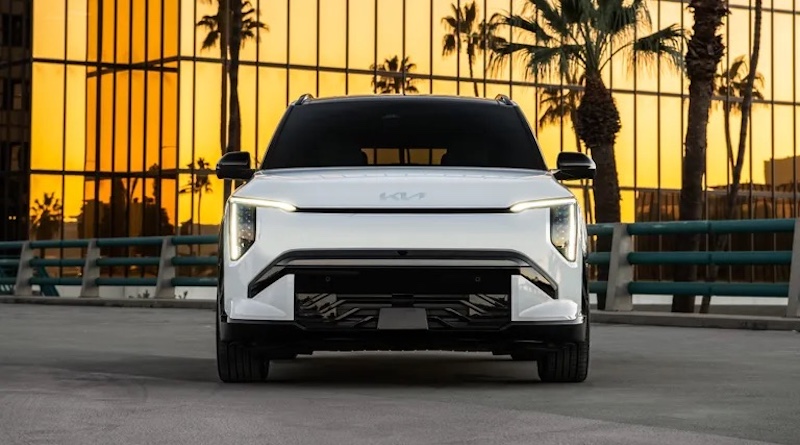
Kia EV3 Now Available at US Dealerships
The Kia EV3 is now officially available for purchase at US dealerships, marking a significant…
2h ago

Bluetti Na(Sodium) 900Wh Power Station Available at $665 in Encore Sale
The Bluetti Encore Sale features the 900Wh Pioneer Na(Sodium) Portable Power Station now priced at…
2d ago