
Challenges in Bidirectional Onboard Charger V2L Testing Addressed with Programmable AC Load Simulation

Edited by Ionna Brakeley
Charging & Ownership
Updated October 14, 2026
3 min read
1 linked source
Recent advancements in testing bidirectional onboard chargers (BOBC) have been made possible through programmable AC load simulation. This development impacts electric vehicle (EV) manufacturers and owners by improving the reliability and efficiency of Vehicle-to-Load (V2L) capabilities. However, the full implications of these advancements on consumer products remain to be fully explored.
Share this story
Why it matters
- ✓Improved testing methods may lead to more reliable V2L functionality in future EV models, enhancing energy management for owners.
- ✓As V2L capabilities expand, EV owners could potentially use their vehicles to power home appliances, increasing the utility of their investment.
- ✓The advancements could influence the availability of compatible EVs, affecting buyer choices in the market.
Overview of the Change
The recent development in testing bidirectional onboard chargers (BOBC) has introduced programmable AC load simulation as a solution to overcome existing challenges. This advancement is crucial for the effective implementation of Vehicle-to-Load (V2L) capabilities, which allow electric vehicles (EVs) to not only charge their batteries but also supply power to external devices and the grid.
What Changed?
Traditionally, testing V2L functionalities in BOBCs has faced significant hurdles, particularly in replicating real-world conditions and ensuring reliable performance. The introduction of programmable AC load simulation allows for more accurate and flexible testing environments, enabling manufacturers to better assess how their systems will perform in practical scenarios. This shift is particularly important as the demand for bidirectional energy flow in EVs increases, driven by consumer interest in energy independence and sustainability.
Why It Matters for Buyers and Owners
-
Enhanced Reliability: With improved testing methods, future EV models are likely to feature more reliable V2L capabilities, which can enhance energy management for owners. This means that EVs could serve as backup power sources during outages or for powering appliances during camping trips.
-
Increased Utility: As V2L functionalities become more dependable, EV owners may find new ways to utilize their vehicles, potentially offsetting energy costs by using their car battery to power home devices.
-
Market Influence: The advancements in testing could affect the availability of EVs with V2L capabilities, influencing buyer choices and the overall market landscape as manufacturers respond to consumer demand for versatile energy solutions.
Key Details from Source Material
According to Charged EVs, the bidirectional onboard charger is central to an EV's energy architecture, facilitating not just battery charging but also enabling energy flow back to the grid or other connected loads. The programmable AC load simulation, sponsored by Chroma, represents a significant step forward in ensuring that these systems can be tested effectively under various conditions, which is essential for the widespread adoption of V2L technology.
What to Watch Next
As the industry continues to develop and refine these testing methods, it will be important to monitor how quickly manufacturers adopt these practices and the impact on the availability of EVs with V2L capabilities. Additionally, consumers should keep an eye on new models entering the market that leverage these advancements, as they may offer enhanced features that could change the way EVs are used in everyday life.
In summary, while the introduction of programmable AC load simulation marks a significant advancement in testing bidirectional onboard chargers, the full implications for consumers and the market are still unfolding. EV owners and potential buyers should stay informed about these developments as they could greatly enhance the functionality and value of electric vehicles.
Sources
These are the documents and reports used to build this brief so readers can verify the story directly.
Reporting notes
EV Signal briefs are written to explain the verified change first, then add the context EV buyers and owners need to understand cost, availability, charging access, eligibility, or ownership impact.
If details are still developing, we try to say what is confirmed, what comes from secondary reporting, and what readers should verify before acting.
Source mix
1 linked source
1 media
Reviewed from: Charged EVs.
Comments
Log in with
Loading comments…
More in Ownership

Sunrun Shifts Focus to Energy Storage Solutions
Sunrun, a leading US rooftop solar company, is transitioning into the energy storage market,…
1h ago
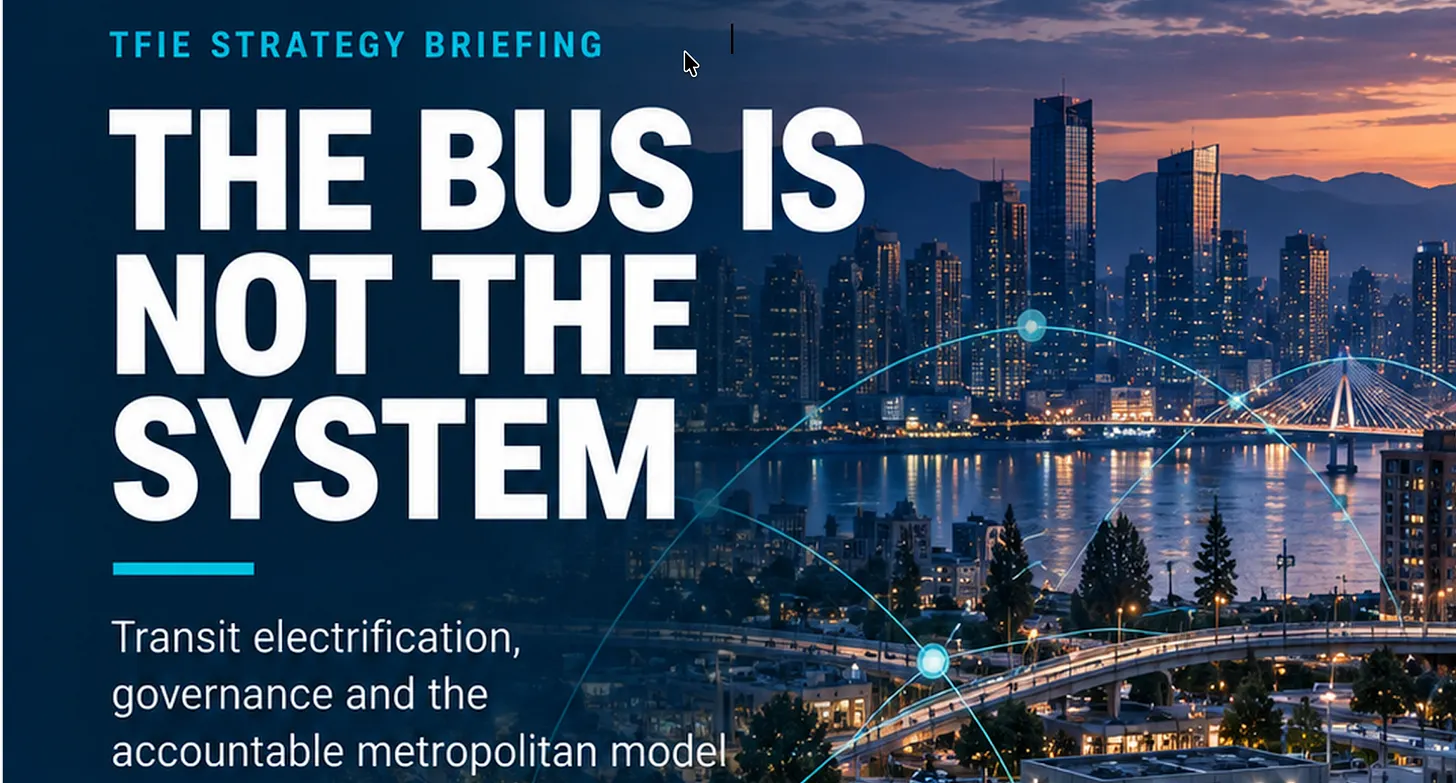
Bus Electrification Initiatives Reshape Governance and Infrastructure in Britain
Recent reforms in Britain's bus system are shifting the focus from privatization to…
1h ago

FAA Reviews SpaceX's Proposal for Increased Starship Launches
The Federal Aviation Administration (FAA) has initiated a review of SpaceX's request to conduct 456…
1h ago

Trump Administration Seeks to Halt Nearly Completed Offshore Wind Project
The Trump administration's Department of the Interior has requested a federal court to reconsider…
1h ago