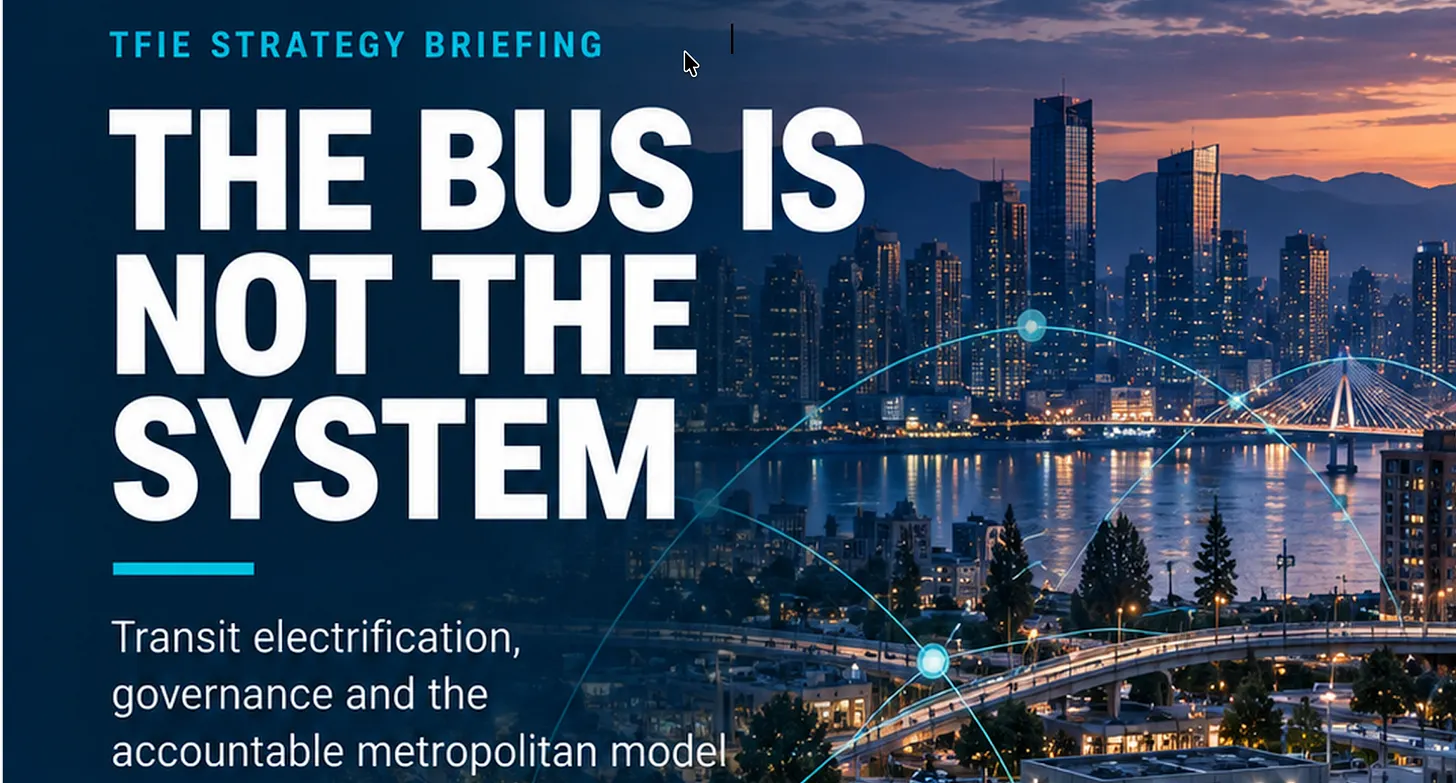
Bus Electrification Initiatives Reshape Governance and Infrastructure in Britain

Edited by Ionna Brakeley
Charging & Ownership
Updated October 14, 2026
3 min read
1 linked source
Recent reforms in Britain's bus system are shifting the focus from privatization to electrification, impacting local governance and infrastructure. These changes primarily affect bus operators and local governments, with a focus on electrifying bus fleets to enhance sustainability. However, the full implications for public transport users remain uncertain as the transition unfolds.
Share this story
Why it matters
- ✓Increased electrification of buses may lead to more environmentally friendly public transport options, potentially influencing EV buyers' decisions.
- ✓As local governments invest in electric bus infrastructure, there may be improved charging access for personal EV owners in urban areas.
- ✓The transition could affect ownership costs for public transport users, as electrified buses may reduce operational costs in the long term.
Bus Electrification Initiatives Reshape Governance and Infrastructure in Britain
Recent reforms in Britain's bus system are shifting the focus from privatization to electrification, impacting local governance and infrastructure. Traditionally, discussions around Britain's bus reforms have centered on privatization, particularly the deregulation of local bus markets in the 1980s, which granted commercial operators greater autonomy over routes and schedules. However, the current emphasis on electrification is transforming how these services are governed and delivered.
What Changed
The latest developments indicate a significant pivot towards electrifying bus fleets across the UK, particularly outside London, where public control has been maintained. This shift aims to enhance sustainability and reduce carbon emissions in public transport. Local governments are now tasked with integrating electric buses into their existing frameworks, which may require re-evaluating routes, schedules, and operational strategies to accommodate the new technology.
Why It Matters for Buyers and Owners
- Impact on Public Transport: The electrification of buses could lead to a more sustainable public transport system, which may encourage EV buyers to consider the broader environmental benefits of electric vehicles.
- Charging Access: As local governments invest in electric bus infrastructure, there may be improved charging access for personal EV owners, particularly in urban areas where charging stations could be integrated into bus depots.
- Ownership Costs: The transition to electric buses may influence ownership costs for public transport users, as electrified fleets could reduce operational expenses over time, potentially leading to lower fares.
Key Details from Source Material
According to CleanTechnica, the reforms are not merely about privatization but are increasingly focused on how governance structures can support the electrification of bus services. This change is particularly relevant for cities like Edinburgh and Dublin, which are also exploring similar electrification initiatives. The emphasis on governance reflects a recognition that effective management and infrastructure development are crucial for the successful integration of electric buses into public transport systems.
What to Watch Next
As the electrification of bus fleets progresses, it will be important to monitor how local governments adapt their governance structures to support these changes. Key areas to watch include:
- The development of charging infrastructure and its accessibility for both public transport and personal EV owners.
- The potential impact on public transport fares as operational costs change with the introduction of electric buses.
- The response from bus operators and how they adapt to the new electrified landscape.
In conclusion, while the electrification of buses in Britain represents a significant shift in public transport governance, the full implications for EV buyers and owners are still unfolding. Stakeholders will need to stay informed as these developments progress.
Sources
These are the documents and reports used to build this brief so readers can verify the story directly.
- Bus Electrification Turns Governance Into Infrastructure — CleanTechnicaMEDIA
Reporting notes
EV Signal briefs are written to explain the verified change first, then add the context EV buyers and owners need to understand cost, availability, charging access, eligibility, or ownership impact.
If details are still developing, we try to say what is confirmed, what comes from secondary reporting, and what readers should verify before acting.
Source mix
1 linked source
1 media
Reviewed from: CleanTechnica.
Comments
Log in with
Loading comments…
More in Ownership

Sunrun Shifts Focus to Energy Storage Solutions
Sunrun, a leading US rooftop solar company, is transitioning into the energy storage market,…
1h ago

FAA Reviews SpaceX's Proposal for Increased Starship Launches
The Federal Aviation Administration (FAA) has initiated a review of SpaceX's request to conduct 456…
1h ago

Trump Administration Seeks to Halt Nearly Completed Offshore Wind Project
The Trump administration's Department of the Interior has requested a federal court to reconsider…
1h ago

Insurance Industry Faces Criticism for Customer Treatment Amid Climate Concerns
The insurance industry is under scrutiny for its approach to climate change risks, which may…
1h ago