Canada Needs 19 Times More EV Chargers by 2040, Majority for Home Use
A report from the Canadian Climate Institute indicates that Canada will require approximately 19 times more electric vehicle (EV) chargers by 2040, with a significant portion expected to be installed at home. The report highlights the need for EV-ready building regulations, dedicated funding for rural areas, and managed charging solutions to address gaps that the private sector may not fill.

Key takeaways
30-second read- 1Increased home charging infrastructure could lower the overall cost of EV ownership for buyers who can install chargers at home.
- 2Rural areas may face challenges in accessing charging stations, potentially impacting EV adoption in those regions.
- 3Managed charging solutions could help optimize electricity use and reduce costs for EV owners.
Confirmed
No official source linked yet
Reported
Secondary reporting: Electric Autonomy Canada
Verify yourself
Eligibility, local prices and dates for your car, state or utility
Canada Needs 19 Times More EV Chargers by 2040
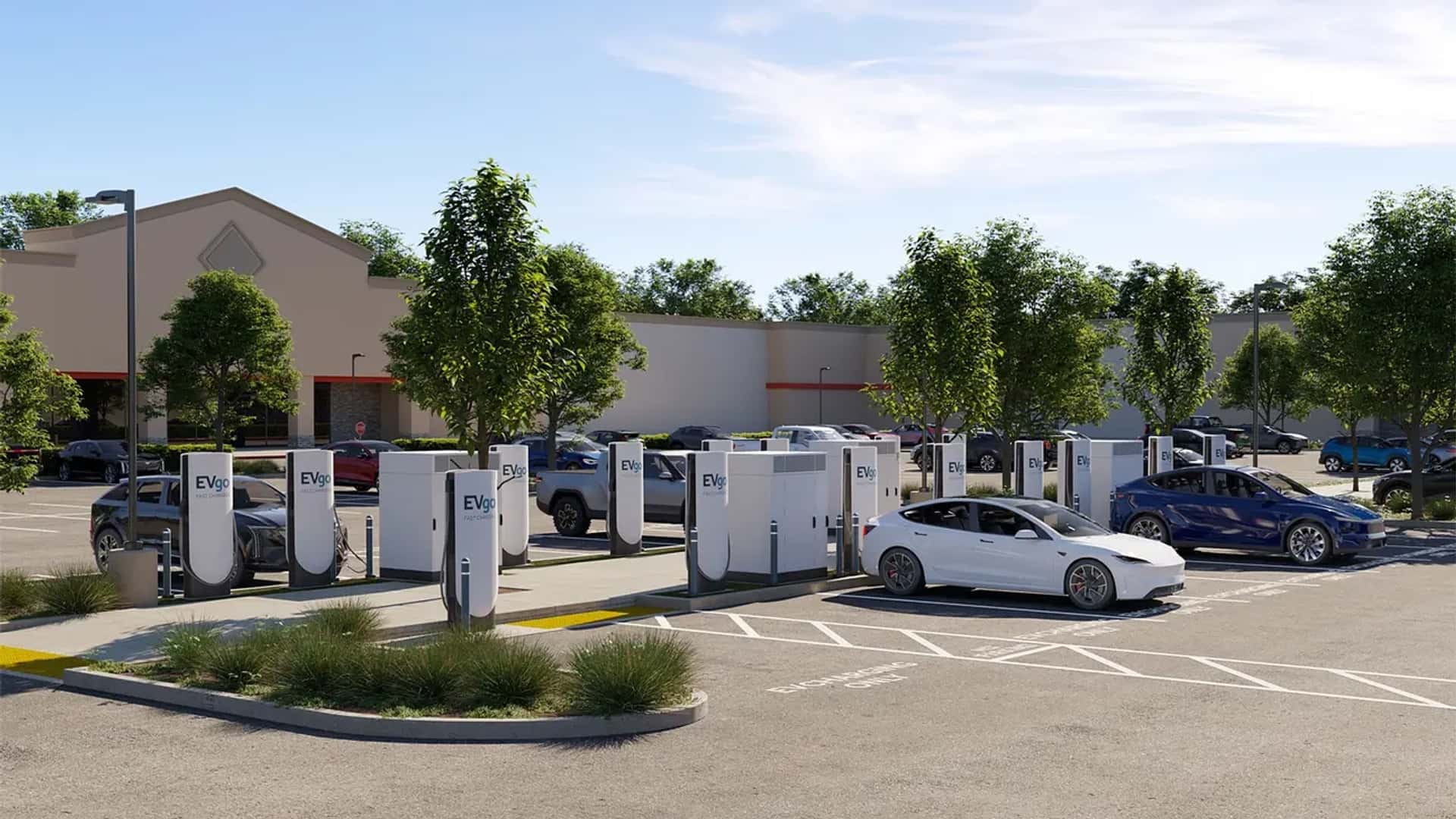
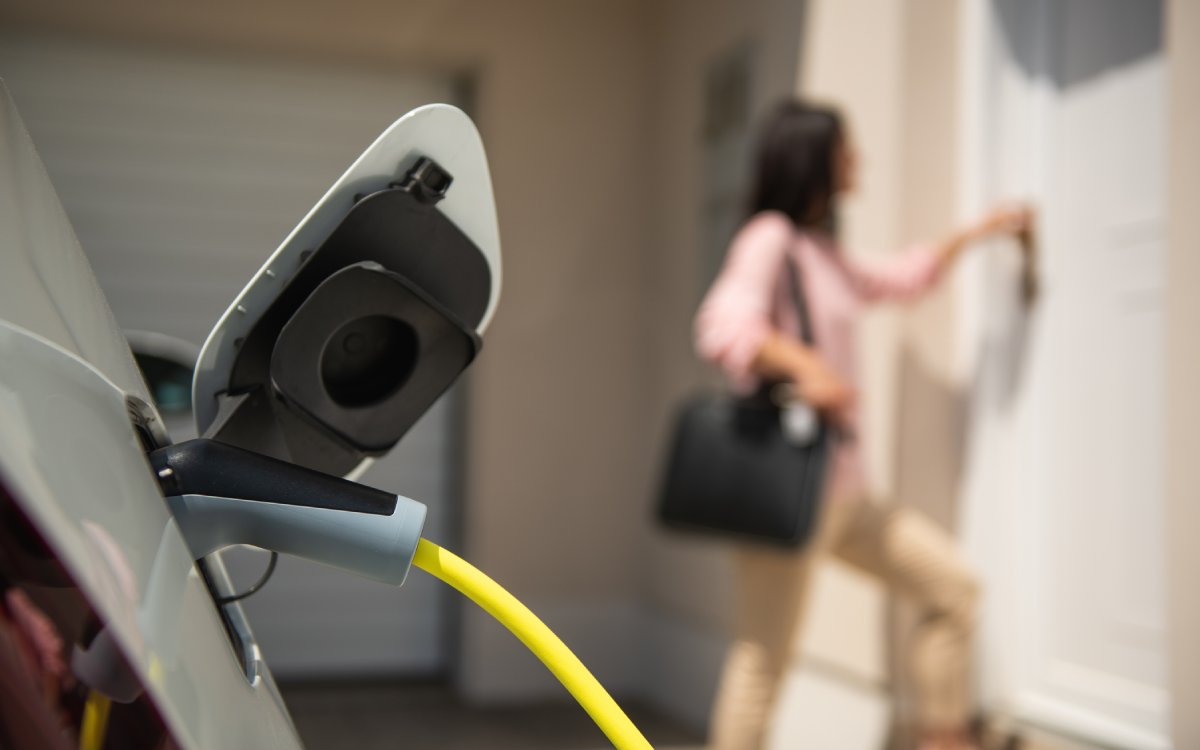
According to a recent report by the Canadian Climate Institute, Canada will need about 19 times more electric vehicle (EV) chargers by the year 2040 to support the growing adoption of electric vehicles. The report emphasizes that a significant portion of these chargers will need to be installed at home, highlighting the importance of residential charging infrastructure in the transition to electric mobility.
What Changed
The Canadian Climate Institute's report outlines the urgent need for enhanced charging infrastructure across the country. It suggests that while private sector investment will play a role in expanding charging networks, there are critical gaps that will require government intervention. The report calls for the implementation of EV-ready building codes, targeted funding for rural areas, and managed charging initiatives to ensure that the infrastructure keeps pace with the increasing number of EVs on the road.
Why It Matters for Buyers/Owners
-
Home Charging Accessibility: The emphasis on home charging means that buyers who can install chargers at their residences may benefit from reduced costs and increased convenience in charging their vehicles.
-
Rural Charging Challenges: The report highlights potential disparities in charging access, particularly in rural areas. This could hinder EV adoption in these regions unless specific funding and initiatives are put in place.
-
Cost Management: Managed charging solutions proposed in the report could help optimize energy use, potentially lowering electricity costs for EV owners and making EV ownership more economical.
Key Details from the Source Material
The report from the Canadian Climate Institute stresses the importance of proactive measures to close the charging infrastructure gap. Key recommendations include:
- EV-Ready Building Rules: New building regulations should mandate the installation of EV charging infrastructure in residential and commercial developments.
- Dedicated Rural Funding: Specific funding initiatives are necessary to ensure that rural communities have access to adequate charging facilities, addressing the unique challenges they face.
- Managed Charging: Implementing managed charging systems can help balance electricity demand and reduce costs for EV owners, making it easier to charge vehicles during off-peak hours.
What to Watch Next
As the report outlines a significant infrastructure challenge, stakeholders in the EV market, including government agencies, private sector companies, and consumers, should monitor developments regarding proposed regulations and funding initiatives. The effectiveness of these measures in addressing the identified gaps will be crucial for the future of EV adoption in Canada. Additionally, ongoing discussions about how to implement managed charging solutions will be important for optimizing the charging experience for EV owners.
In summary, the Canadian Climate Institute's report serves as a wake-up call for the need to significantly ramp up EV charging infrastructure in Canada, particularly focusing on home installations and rural access. The recommendations provided could shape the future landscape of EV ownership and charging accessibility in the country.
Buying guide: Best Level 2 Home EV Charger (2026): How to Choose
Sources
1 media- [1]Canada needs about 19 times more EV chargers by 2040, but most will be at home: reportMedia
Electric Autonomy Canada · electricautonomy.ca · published Oct 30
Newsletter
Weekly EV signal. No spam.
Comments
Log in with
Loading comments…