Canada Launches Offshore Wind Plan to Supply U.S. Energy Needs
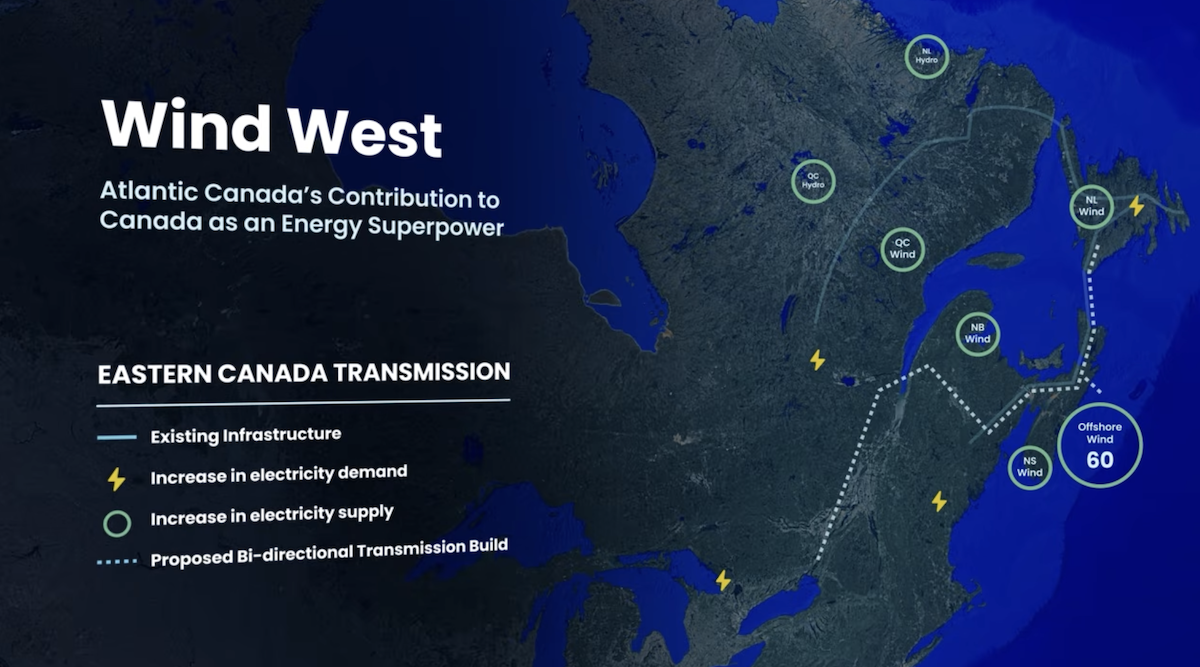
Canada has announced plans to generate offshore wind power from the Nova Scotia coast, which will be directed towards energy-demanding regions in the United States. This initiative aims to enhance energy supply and reduce reliance on traditional fossil fuels. The specifics of the energy distribution and its impact on U.S. energy policy remain to be fully clarified.

Key takeaways
30-second read- 1Increased availability of renewable energy could lead to lower electricity prices, benefiting EV owners who rely on charging at home.
- 2The offshore wind plan may enhance the overall energy infrastructure, potentially improving charging station access in energy-thirsty communities.
- 3As Canada moves towards cleaner energy sources, it may influence U.S. energy policies, which could affect incentives for EV adoption.
Confirmed
No official source linked yet
Reported
Secondary reporting: CleanTechnica
Verify yourself
Eligibility, local prices and dates for your car, state or utility
Canada Launches Offshore Wind Plan to Supply U.S. Energy Needs
Canada has officially unveiled a new offshore wind power initiative aimed at harnessing energy from the Nova Scotia coast to supply parts of the United States. This development marks a significant step towards increasing renewable energy production and reducing dependence on fossil fuels, particularly in regions of the U.S. that are experiencing high energy demands.
What Changed
The Canadian government has committed to generating offshore wind energy, which will be directed towards energy-thirsty communities in the U.S. This plan is seen as a strategic move to bolster energy supplies while simultaneously addressing climate change through the promotion of renewable energy sources. The specifics of how this energy will be distributed and the regulatory frameworks involved are still being clarified.
Why It Matters for Buyers/Owners
-
Potential for Lower Electricity Prices: As renewable energy sources like offshore wind become more prevalent, they could lead to reduced electricity costs. This is particularly beneficial for EV owners who charge their vehicles at home, as lower electricity prices can decrease overall ownership costs.
-
Improved Charging Infrastructure: The initiative may enhance the energy infrastructure in regions that currently lack sufficient charging stations. Increased energy supply could lead to more charging stations being installed, making it easier for EV owners to charge their vehicles conveniently.
-
Influence on U.S. Energy Policy: Canada's move towards renewable energy could have ripple effects on U.S. energy policies, potentially leading to more incentives for electric vehicle adoption and the expansion of EV infrastructure.
Key Details from Source Material
According to CleanTechnica, the offshore wind plan is part of Canada's broader strategy to transition to renewable energy sources. The initiative is particularly significant given the current energy landscape in the U.S., where many regions are grappling with energy shortages and rising prices. The plan is expected to not only benefit Canadian energy needs but also provide a much-needed boost to U.S. energy supplies.
What to Watch Next
As this story develops, it will be important to monitor how the Canadian offshore wind plan will be implemented and what specific agreements will be made regarding energy distribution to the U.S. Additionally, stakeholders will be keen to see how this initiative influences U.S. energy policies and the potential for new incentives for electric vehicle adoption. Keep an eye on announcements from both Canadian and U.S. energy authorities for further details on this evolving situation.
Buying guide: Best Level 2 Home EV Charger (2026): How to Choose
Sources
1 media- [1]Canada Stabs Trump In Back With New Offshore Wind PlanMedia
CleanTechnica · cleantechnica.com · published Oct 21
Newsletter
Weekly EV signal. No spam.
Comments
Log in with
Loading comments…